tastytrendingredients

  • Home
  • Recipes
    • Appetizers
    • Breakfast
    • Dessert
    • Dinner
    • Drinks
    • Salads
    • Snacks
    • Soups
  • About me
  • Contact
menu icon
go to homepage
  • Home
  • Recipes
    • Appetizers
    • Breakfast
    • Dessert
    • Dinner
    • Drinks
    • Salads
    • Snacks
    • Soups
  • About me
  • Contact
search icon
Homepage link
  • Home
  • Recipes
    • Appetizers
    • Breakfast
    • Dessert
    • Dinner
    • Drinks
    • Salads
    • Snacks
    • Soups
  • About me
  • Contact
×

Gingerbread Latte Mousse Domes That Wow Your Holiday Guests

December 16, 2025 by Grace Snow Leave a Comment

As the first winter flakes begin to fall, the warm spice of gingerbread fills the air, conjuring memories of cozy gatherings and festive cheer. I’m thrilled to share my take on this season's irresistible dessert: Gingerbread Latte Mousse Domes. These gourmet delights seamlessly blend the cozy flavors of gingerbread with a smooth hint of espresso, resembling your favorite café treat. Not only do they look stunning with their glossy mirror glaze, but they’re also surprisingly easy to make, ensuring you impress your guests without spending all day in the kitchen. Perfect for holiday dinners or just a special treat for yourself, these mousse domes are a delightful way to embrace the spirit of the season. Curious about how to create this elegant dessert? Let’s dive in!

Why Are These Mousse Domes Unique?

Gourmet Appeal: These Gingerbread Latte Mousse Domes are a show-stopping dessert that combines the cozy essence of gingerbread with a luxurious mousse, perfect for impressing guests.
Easy to Make: Surprisingly simple, this recipe is accessible to both novice bakers and seasoned chefs looking to elevate their dessert game.
Festive Flavors: Infused with spices like cinnamon and nutmeg, each bite brings warmth and nostalgia, making them ideal for Christmas gatherings.
Visually Stunning: The glossy mirror glaze provides a beautiful finish that captures attention, ensuring your dessert stands out on any holiday table.
Versatile Options: Feel free to experiment with flavor variations or different coatings to personalize your mousse domes, catering to various tastes.
Make-Ahead Friendly: Prepare these sweet treats in advance and store them in the freezer, allowing you more time to enjoy the festivities with friends and family. Whether you're hosting a holiday dinner or sharing a cozy evening at home, these mousse domes will surely delight your palate and enhance your celebrations!

Gingerbread Latte Mousse Domes Ingredients

For the Mousse

  • Espresso – Provides a robust flavor and enhances the ginger and spices; use strong brewed coffee if espresso is unavailable.
  • Brown Sugar – Contributes sweetness and depth to the mousse base.
  • White Chocolate – Adds creaminess and richness to the mousse texture.
  • Cinnamon, Cloves, Nutmeg – Spices that impart warmth and a holiday aroma, perfectly complementing your gingerbread latte mousse domes.
  • Gelatin – Stabilizes the mousse, ensuring it holds shape when frozen and glazed; bloom it in warm liquid before mixing.
  • Mascarpone Cheese – Adds smoothness and body without weighing down the mousse; substitute with cream cheese for a tangier result.
  • Molasses – Provides additional sweetness and depth, pivotal for that authentic gingerbread flavor.
  • Egg Yolk – Binds the mousse, keeping it tender yet firm.
  • Ginger – Delivers the hallmark flavor of gingerbread, perfect for this festive treat.

For the Cookie Base

  • Sugar, Flour, Spices – Create a sturdy foundation for the mousse dome, ensuring a perfect contrast between the crispy base and airy mousse.

Step‑by‑Step Instructions for Gingerbread Latte Mousse Domes

Step 1: Prepare Cookie Base
In a large mixing bowl, combine flour, brown sugar, ground ginger, cinnamon, cloves, and nutmeg to create the gingerbread cookie dough. Add molasses and egg, mixing until a smooth dough forms. Roll the dough out on a lightly floured surface to about ¼ inch thick. Cut out rounds slightly larger than your silicone molds. This will serve as the base for the Gingerbread Latte Mousse Domes.

Step 2: Bake Cookies
Preheat your oven to 350°F (175°C). Place the cookie rounds on a parchment-lined baking sheet, ensuring they’re evenly spaced. Bake for 8–10 minutes or until firm to the touch. Let the cookies cool completely on the baking sheet. This step is crucial to ensure the cookies retain their shape and have the perfect texture as the base of your mousse domes.

Step 3: Bloom Gelatin
In a small bowl, mix espresso with brown sugar, warming it gently until the sugar dissolves. Sprinkle the gelatin over the warm espresso mixture and let it sit for about 5 minutes to bloom. This process activates the gelatin, allowing it to properly gel when added to your Gingerbread Latte Mousse Domes later, ensuring a stable structure.

Step 4: Prepare Mousse
Melt the white chocolate in a heatproof bowl over simmering water, stirring until smooth. Remove from heat and pour in the bloomed gelatin and espresso mixture, combining thoroughly. Allow the mixture to cool slightly, but not set. This rich blend will form the base of your mousse, bringing together the flavors of gingerbread and espresso beautifully.

Step 5: Whip Cream and Mascarpone
In a large mixing bowl, whip the cream with an electric mixer until soft peaks form. In another bowl, beat the mascarpone cheese until smooth. Gently fold the whipped cream into the mascarpone until fully combined, being careful not to deflate the mixture. This creates a light and airy mousse, crucial for the overall texture of the Gingerbread Latte Mousse Domes.

Step 6: Combine Mousse Ingredients
Slowly fold the cooled espresso and white chocolate mixture into the whipped cream and mascarpone blend. Use a spatula to gently incorporate the ingredients until everything is well mixed and smooth. Take care not to overmix, as you want to maintain the light, fluffy texture that makes your mousse so delightful.

Step 7: Assemble Domes
Spoon the mousse mixture into your silicone molds, filling each one about halfway. Place the baked cookie rounds on top of the mousse, pressing them down gently. Tap the molds lightly against the counter to release any air bubbles. Freeze the molds for at least 4 hours or overnight, allowing the Gingerbread Latte Mousse Domes to firm up entirely.

Step 8: Glaze Preparation
To prepare the mirror glaze, heat it gently to 90°F (32°C), stirring until smooth and lump-free. Once the mousse domes are completely frozen, carefully invert the molds to release the domes onto a wire rack. Pour the warm glaze evenly over the domes, ensuring an even coat. This glossy finish will enhance the festive look of your Gingerbread Latte Mousse Domes as they set.

What to Serve with Gingerbread Latte Mousse Domes

The Gingerbread Latte Mousse Domes create a divine experience, whether celebrating the holidays with loved ones or treating yourself to an elegant dessert at home.

  • Creamy Mashed Potatoes: The buttery richness and smooth texture create a cozy contrast that balances the sweetness of the mousse.
  • Spiced Winter Salad: Featuring candied pecans, apple slices, and a light vinaigrette, this salad adds freshness and a crunchy element to the meal.
  • Mulled Wine: A fragrant blend of spices and fruity notes is a perfect pairing, complementing the warm gingerbread flavors beautifully.
  • Chocolate Fondue: The indulgent and rich experience of dipping fruits or marshmallows enhances the festive atmosphere of your dessert spread.
  • Pumpkin Bread: This moist, spiced loaf not only ties in seasonal flavors but also provides a satisfying texture alongside the delicate mousse.
  • Cinnamon Hot Chocolate: Rich and comforting, sipping this beverage echoes the warm spices in the mousse, delightful for cold winter evenings.
  • Candied Ginger Cookies: Offering a similar flavor profile, these cookies create a harmonious tastescape, perfect for sharing alongside the mousse domes.

Gingerbread Latte Mousse Domes Variations

Feel free to get creative with your Gingerbread Latte Mousse Domes! Explore these delightful twists that will take your dessert to the next level.

  • Dairy-Free: Swap mascarpone and cream with coconut cream for a luscious, dairy-free mousse option that’s still rich and satisfying.

  • Chocolate Lovers: Substitute half of the white chocolate with dark chocolate for a deeper flavor, blending perfectly with the spices in the mousse.

  • Nutty Crunch: Add crushed pecans or walnuts to the cookie base for extra crunch and a delicious nutty flavor that complements the gingerbread.

  • Spiced Rum: Incorporate a splash of spiced rum into the mousse for an adult twist that pairs beautifully with the ginger and coffee flavors.

  • Fruity Fusion: Mix in some finely chopped dried cranberries or candied ginger for a fruity zing, adding a textural surprise alongside the creamy mousse.

  • Minty Fresh: Replace the spices with peppermint extract for a refreshing twist, making it feel even more festive during the holiday season.

  • Heat It Up: Add a pinch of cayenne pepper to the mousse for a subtle kick that gives a surprising depth to the sweet flavors of ginger and chocolate.

  • Mirror Glaze Variations: Instead of the classic glaze, try a chocolate or caramel glaze for a different flavor profile while retaining that glossy wow factor.

Enhancing your Gingerbread Latte Mousse Domes is simple and fun! For more ideas on desserts with a festive flair, check out my Joyful Holiday Dessert Ideas and Magical Seasonal Treats that are sure to impress your guests.

Storage Tips for Gingerbread Latte Mousse Domes

  • Fridge: Store the mousse domes in an airtight container for up to 3 days. Ensure they are properly covered to maintain their freshness and prevent absorption of other odors.
  • Freezer: The domes can be frozen for up to 1 week. Wrap each dome tightly in plastic wrap and store them in a freezer-safe container to preserve texture and flavor.
  • Thawing: When ready to serve, thaw the frozen domes in the refrigerator for several hours. Avoid thawing at room temperature to maintain stability and prevent melting.
  • Glazing: For best results, glaze the Gingerbread Latte Mousse Domes just before serving. This ensures a glossy finish and perfect texture that impresses your holiday guests.

Make Ahead Options

These Gingerbread Latte Mousse Domes are perfect for meal prep, allowing you to enjoy the flavors of the season without the last-minute stress! You can prepare the mousse mixture and freeze it in the molds for up to 3 days in advance. To do this, simply assemble the mousse in the molds, place the cookie bases on top, and freeze overnight. When you're ready to serve, glaze the domes with the mirror glaze and let them set before enjoying. To ensure the domes remain just as delicious, store them in an airtight container to prevent freezer burn. With this make-ahead method, you’ll have a stunning dessert ready to impress at your holiday gatherings!

Expert Tips for Gingerbread Latte Mousse Domes

  • Choose Quality Ingredients: Using high-quality espresso and chocolate elevates the flavor of your Gingerbread Latte Mousse Domes significantly.

  • Bloom Gelatin Correctly: Ensure the gelatin is completely bloomed in warm liquid before mixing. This step is crucial for a stable mousse that holds its shape.

  • Monitor Whipping: Avoid overwhipping the cream and mascarpone—stop once soft peaks form. This retains the light, airy texture vital for your mousse.

  • Freezing Precision: Make sure to freeze the domes fully before glazing. If they’re not firm enough, the glaze may run off instead of creating a beautiful coat.

  • Maintain Temperature: Heat the mirror glaze to the correct temperature (90°F). If too hot or cold, it could lead to a lumpy finish on your domes.

  • Storage Tips: Prepare and freeze your Gingerbread Latte Mousse Domes a day ahead to save time on the day of your gathering.

Gingerbread Latte Mousse Domes Recipe FAQs

How should I select ripe ginger for my mousse?
When picking ginger for your Gingerbread Latte Mousse Domes, choose root pieces that feel plump and firm. They should be smooth without any dark spots or wrinkles. If the ginger has a strong, fragrant aroma, it's a sign of freshness and potency!

What’s the best way to store leftover mousse domes?
Store any leftover mousse domes in an airtight container in the refrigerator for up to 3 days. To keep them fresh and flavorful, ensure they are well-covered to prevent them from absorbing odors from other foods.

Can I freeze the Gingerbread Latte Mousse Domes?
Absolutely! You can freeze these delightful mousse domes for up to 1 week. Wrap each dome tightly in plastic wrap to avoid freezer burn and place them in a freezer-safe container. When you’re ready to enjoy them, just thaw them in the refrigerator for several hours.

My mousse didn't set properly; what might have gone wrong?
If your mousse didn’t set, the most common reasons are under-bloomed gelatin or not incorporating the mousse components properly. Ensure you properly bloom the gelatin in warm espresso as instructed and gently fold all ingredients together without overmixing. If you’re still having trouble, try letting it chill longer in the fridge next time.

Are there any dietary substitutions for the ingredients?
Definitely! If you're looking for alternatives, you can swap mascarpone with cream cheese for a somewhat denser mousse but still delicious. For a dairy-free option, consider using coconut cream instead. Additionally, be wary of any allergens; ensure your guests have checked for allergies concerning ingredients like eggs, chocolate, or espresso.

How do I achieve a flawless mirror glaze?
To ensure a perfect mirror glaze, start by heating the glaze to a precise temperature of 90°F (32°C)—too hot, and it can separate; too cold, and it won’t flow properly. Once your mousse domes are frozen solid, carefully pour the warm glaze over them, allowing it to settle evenly. If any drips occur, gently wipe the bottom of the dome to keep everything tidy before serving!

Gingerbread Latte Mousse Domes

Gingerbread Latte Mousse Domes That Wow Your Holiday Guests

Indulge in Gingerbread Latte Mousse Domes, a cozy dessert blending gingerbread flavors with smooth espresso, perfect for holiday gatherings.
Print Recipe Pin Recipe
Prep Time 30 minutes mins
Cook Time 10 minutes mins
Freezing Time 4 hours hrs
Total Time 4 hours hrs 40 minutes mins
Servings: 8 domes
Course: Dessert
Cuisine: American
Calories: 350
Ingredients Equipment Method Nutrition Notes

Ingredients
  

For the Mousse
  • 1 cup Espresso Use strong brewed coffee if espresso is unavailable.
  • 1/2 cup Brown Sugar Contributes sweetness and depth.
  • 6 ounces White Chocolate Adds creaminess and richness.
  • 1 teaspoon Cinnamon Infuses warmth and aroma.
  • 1/2 teaspoon Cloves Adds seasonal spice.
  • 1/2 teaspoon Nutmeg Infuses warmth and aroma.
  • 1 tablespoon Gelatin Bloom in warm liquid before mixing.
  • 8 ounces Mascarpone Cheese Smoothness and body.
  • 1/4 cup Molasses Authentic gingerbread flavor.
  • 2 large Egg Yolk Binds the mousse.
  • 1 tablespoon Ginger Delivers the hallmark flavor.
For the Cookie Base
  • 1 cup Sugar Sweetens the cookie base.
  • 2 cups Flour Forms the base foundation.
  • 1 tablespoon Mixed Spices Combines for flavor.

Equipment

  • Silicone molds
  • Mixing bowls
  • Electric mixer
  • Parchment Paper
  • wire rack
  • Heatproof bowl

Method
 

Step-by-Step Instructions
  1. In a large mixing bowl, combine flour, brown sugar, ground ginger, cinnamon, cloves, and nutmeg to create the gingerbread cookie dough. Add molasses and egg, mixing until smooth.
  2. Preheat your oven to 350°F (175°C). Place cookie rounds on a baking sheet and bake for 8–10 minutes. Let cool completely.
  3. Mix espresso with brown sugar, warming gently until dissolved. Sprinkle gelatin over warm mixture and let sit for about 5 minutes to bloom.
  4. Melt white chocolate in a heatproof bowl. Remove from heat, pour in bloomed gelatin and espresso mixture. Cool slightly.
  5. Whip cream to soft peaks. Beat mascarpone cheese until smooth. Fold whipped cream into mascarpone until combined.
  6. Fold cooled espresso mixture into whipped cream and mascarpone blend. Mix until smooth.
  7. Spoon mousse into silicone molds, fill halfway. Place cookie rounds on top and freeze for at least 4 hours.
  8. Heat mirror glaze to 90°F (32°C). Invert molds to release domes and pour glaze over them.

Nutrition

Serving: 1domesCalories: 350kcalCarbohydrates: 40gProtein: 5gFat: 20gSaturated Fat: 12gPolyunsaturated Fat: 1gMonounsaturated Fat: 6gCholesterol: 50mgSodium: 150mgPotassium: 100mgFiber: 1gSugar: 25gVitamin A: 300IUCalcium: 80mgIron: 1mg

Notes

These mousse domes can be prepared a day in advance and stored in the freezer.

Tried this recipe?

Let us know how it was!

Honey Cinnamon Oatmeal Bread for Cozy Breakfasts at Home

December 13, 2025 by Grace Snow Leave a Comment

Waking up to the sun filtering through the kitchen window, I can already smell the sweet, warm notes of cinnamon swirling around my home. The best part? It’s coming from my Honey-Cinnamon Oatmeal Bread, a delightful recipe that pairs the heartiness of oats with the natural sweetness of honey. This bread isn’t just a breakfast option; it’s a comforting embrace after a long day, effortlessly blending quick prep with wholesome ingredients. Whether you're treating yourself to a quiet morning or hosting a gathering of family and friends, this loaf is sure to impress. Curious about how to create your own slice of morning bliss? Let’s dive into the recipe that transforms simple ingredients into something truly special!

Why is Honey-Cinnamon Oatmeal Bread a Must-Try?

Irresistible Aroma: Just imagine filling your home with the delightful scent of cinnamon and honey as this bread bakes—it's an experience you don’t want to miss.

Wholesome Ingredients: Packed with oats, this bread is not only delicious but also nutritious, making it a heartwarming option for breakfast or a snack.

Easy Preparation: With simple steps, you can whip this up without any fuss, perfect for busy mornings or spontaneous cravings.

Customizable Delight: Want to elevate your loaf? Feel free to add your favorite nuts or dried fruits for a personal touch!

Crowd-Pleasing Flavor: Whether enjoyed fresh out of the oven or toasted, every slice promises a comforting blend of sweet and hearty goodness that everyone will love.

Get ready to make mornings a little sweeter with this amazing recipe for Homemade Pumpkin Cinnamon Roll and elevate your breakfast game even further!

Honey-Cinnamon Oatmeal Bread Ingredients

For the Bread

  • Honey – Provides natural sweetness and moisture; substitute with maple syrup for a vegan option.
  • Cinnamon – Adds warmth and flavor, enhancing the sweetness of honey; swap for ground nutmeg for a different spice profile.
  • Rolled Oats – Offers texture and nutrition; quick oats can be used but may lead to a softer texture.
  • All-Purpose Flour – Provides structure; whole wheat flour can be substituted for a healthier option.
  • Baking Soda – Helps the bread rise, creating a lighter texture; ensure it’s fresh for the best outcome.
  • Salt – Enhances flavor; don’t skip it for optimal taste.
  • Milk (or alternative) – Adds moisture; almond milk makes it dairy-free.
  • Butter (or alternative) – Adds richness; replace with coconut oil for a dairy-free version.

Optional Toppings

  • Extra Oats – Sprinkle on top for added texture and visual appeal; they bring a rustic touch to your loaf.
  • Chopped Nuts – Pecans or walnuts can add a delightful crunch and nutty flavor; they’re a fantastic addition!
  • Dried Fruits – Raisins or dried cranberries can introduce a fruity burst; feel free to mix and match your favorites!

With these ingredients on hand, you're well on your way to crafting your very own Honey-Cinnamon Oatmeal Bread that’s sure to become a family favorite. Happy baking!

Step‑by‑Step Instructions for Honey-Cinnamon Oatmeal Bread

Step 1: Preheat the Oven
Start by preheating your oven to 350°F (175°C). While the oven warms up, prepare a loaf pan by greasing it lightly with butter or non-stick spray. This will ensure your Honey-Cinnamon Oatmeal Bread releases easily after baking, allowing you to enjoy that perfect loaf without any hassle.

Step 2: Mix Dry Ingredients
In a large mixing bowl, combine the rolled oats, all-purpose flour, baking soda, ground cinnamon, and salt. Whisk these ingredients together until they are evenly blended, creating a dry mixture that sets the foundation for your hearty bread. You’ll know it’s ready when the cinnamon is well distributed and you can see the vibrant colors of oats and flour.

Step 3: Mix Wet Ingredients
In a separate bowl, whisk together the honey, milk, and melted butter until the mixture is smooth and well combined. The honey will add that beautiful sweetness while the melted butter enhances richness, making your Honey-Cinnamon Oatmeal Bread irresistibly moist. Take a moment to breathe in the sweet aroma as it melds together.

Step 4: Combine Mixtures
Gradually pour the wet ingredients into the dry mixture, stirring gently with a wooden spoon or spatula. Continue to mix until just combined; be careful not to overmix, as this could lead to a dense loaf. You’ll know it’s ready when no dry flour is visible, and everything feels moist and cohesive.

Step 5: Shape the Dough
Transfer the batter into the prepared loaf pan, using a spatula to smooth the top for an even bake. If you’d like, sprinkle some extra oats on top for added texture and a rustic look. This will create an inviting crust as your Honey-Cinnamon Oatmeal Bread bakes to golden perfection.

Step 6: Bake the Bread
Place the loaf pan in the oven and bake for 35-40 minutes. Keep an eye on the bread, and know it’s ready when it turns golden brown and a toothpick inserted in the center comes out clean. The delightful scent of honey and cinnamon will fill your kitchen, signaling a cozy treat is on the way.

Step 7: Cool the Bread
Once baked, remove the Honey-Cinnamon Oatmeal Bread from the oven and allow it to cool in the pan for about 10 minutes. Then, carefully transfer it to a wire rack to cool completely for at least 30 minutes before slicing. This cooling period allows the bread to set, ensuring each slice holds together beautifully.

Honey Cinnamon Oatmeal Bread Variations

Feel free to sprinkle a little creativity into your Honey-Cinnamon Oatmeal Bread with these delightful variations!

  • Nuts: Add chopped pecans or walnuts to give your bread a satisfying crunch. The nuttiness enhances the overall flavor while providing extra texture.

  • Spices: Try a dash of nutmeg or ginger for a spiced twist. This subtle change can elevate the warmth of your bread to new heights, making every bite uniquely delightful.

  • Fruit: Incorporate raisins or dried cranberries for a fruity surprise. They add natural sweetness and beautiful little bursts of flavor throughout, making this loaf even more special.

  • Gluten-Free: Substitute gluten-free flour for a version that caters to dietary needs. This way, everyone can enjoy a slice of homemade goodness, no matter their restrictions!

  • Dairy-Free: Swap out regular milk for almond or oat milk and use coconut oil in place of butter. This keeps the bread light and suitable for those avoiding dairy.

  • Sweet Swirl: Add a cream cheese frosting swirl after baking for an indulgent treat. Imagine a sweet ribbon of cream cheese running through each slice, creating a luscious breakfast experience.

  • Savory Touch: Mix in cheddar cheese or herbs such as rosemary for an unexpected savory version. The mingling of sweet and savory can make delightful contrasts in each bite.

Enjoying a slice of this bread is a wonderful way to kick-start your day or share with loved ones, and if you’re looking for more cozy treats, consider trying this Homemade Pumpkin Cinnamon Roll for even more breakfast bliss!

Feel free to explore and find your favorite combination through these substitutions!

Make Ahead Options

These Honey-Cinnamon Oatmeal Bread loaves are perfect for meal prep enthusiasts! You can mix the dry ingredients (oats, flour, baking soda, cinnamon, and salt) up to 3 days in advance and store them in an airtight container to maintain freshness. Additionally, you can combine the wet ingredients (honey, milk, and melted butter) and refrigerate them for up to 24 hours. When you're ready to bake, simply bring the wet mixture to room temperature and combine with the dry ingredients, then proceed with shaping and baking as instructed. This way, you’ll have fresh, warm bread with minimal effort on busy mornings, making breakfast a breeze!

Expert Tips for Honey-Cinnamon Oatmeal Bread

  • Perfect Cooling Time: Allow the bread to cool for at least 30 minutes before slicing to prevent a gummy texture. Patience pays off!

  • Fresh Ingredients: Use fresh baking soda for the best rise. Stale ingredients can lead to a dense loaf that doesn’t quite meet your expectations.

  • Mix Gently: When combining the wet and dry ingredients, stir just until everything is moistened. Overmixing can toughen the bread, so be gentle!

  • Customize Wisely: Feel free to add nuts or fruits, but balance is key. Too many additions can alter the texture of your Honey-Cinnamon Oatmeal Bread.

  • Check Your Oven: Ovens can vary in temperature; consider using an oven thermometer to ensure accurate baking, leading to perfectly baked bread every time.

What to Serve with Honey-Cinnamon Oatmeal Bread

Delight in a complete breakfast experience that truly warms the soul and satisfies the palate.

  • Creamy Greek Yogurt: A dollop on the side adds tanginess and creaminess, enhancing the bread's sweetness in each delightful bite. Pairing yogurt with honey and oats brings a refreshing balance to your morning.

  • Fresh Berries: Strawberries, blueberries, or raspberries offer a burst of fruity freshness that perfectly complements the warm flavors of cinnamon and honey. Their natural sweetness adds a vibrant touch to your plate!

  • Scrambled Eggs: The richness of scrambled eggs creates a delicious contrast with the syrupy sweetness of the bread. When served alongside, they create a heartier breakfast that’s both satisfying and nourishing.

  • Honey Butter: Spread honey butter on warm slices for an extra layer of sweetness and a velvety texture. This sweet addition makes each bite feel indulgent and decadent.

  • Herbal Tea: Enjoy a soothing cup of chamomile or mint tea for a refreshing drink that offers a gentle, aromatic contrast to the bread's hearty flavors. The warmth of the tea perfectly complements your cozy breakfast.

  • Cinnamon-Spiced Apple Slices: Serve thinly sliced apples sprinkled with cinnamon as a crunchy, sweet accompaniment. Their crispness pairs beautifully with the soft texture of the bread, creating a delightful contrast.

Let these pairings enhance your Honey-Cinnamon Oatmeal Bread experience for a truly comforting breakfast spread!

How to Store and Freeze Honey-Cinnamon Oatmeal Bread

Room Temperature: Wrap the cooled loaf in plastic wrap or store it in an airtight container at room temperature for up to 2-3 days to keep it fresh and soft.

Fridge: If you prefer to extend the shelf life, refrigerate the bread in an airtight container for up to a week, though it may dry out slightly compared to room temperature storage.

Freezer: For long-term storage, slice the Honey-Cinnamon Oatmeal Bread and freeze the pieces in a freezer-safe bag for up to 3 months. Thaw overnight in the fridge or toast directly for a quick breakfast.

Reheating: To enjoy your bread warm, simply pop the slices in a toaster or reheat in the microwave for 10-15 seconds until warmed through.

Honey-Cinnamon Oatmeal Bread Recipe FAQs

What kind of oats should I use for Honey-Cinnamon Oatmeal Bread?
You should use rolled oats for this recipe as they provide the best texture and nutrition. Quick oats can be used in a pinch, but remember they will result in a softer loaf.

How should I store Honey-Cinnamon Oatmeal Bread?
Wrap the cooled loaf in plastic wrap or store it in an airtight container at room temperature for up to 2-3 days. For longer preservation, refrigerate in an airtight container for up to a week, although it may lose some moisture.

Can I freeze my Honey-Cinnamon Oatmeal Bread?
Absolutely! Slice your loaf and freeze individual slices in a freezer-safe bag for up to 3 months. When you’re ready to enjoy, thaw overnight in the fridge or toast directly from the freezer for a quick, delightful breakfast.

What if my Honey-Cinnamon Oatmeal Bread is too dense?
If you find your bread turns out too dense, it may be due to overmixing or using stale baking soda. For the best results, mix the wet and dry ingredients gently until just combined. Always ensure your baking soda is fresh for optimal rise. If necessary, consider expanding the baking time slightly and checking for doneness with a toothpick.

Are there any dietary considerations for Honey-Cinnamon Oatmeal Bread?
This recipe can easily accommodate dietary needs! For a vegan option, substitute honey with maple syrup and use dairy-free milk and coconut oil. Additionally, if you or your loved ones have nut allergies, be cautious with any added nuts or dried fruits. Always read labels to ensure safety.

How do I know when my bread is done baking?
Look for a golden-brown color and a toothpick inserted in the center should come out clean. The delightful aroma of honey and cinnamon will fill your kitchen during baking, acting as a lovely indicator that your Honey-Cinnamon Oatmeal Bread is nearly ready to be enjoyed!

Honey Cinnamon Oatmeal Bread

Honey Cinnamon Oatmeal Bread for Cozy Breakfasts at Home

This Honey Cinnamon Oatmeal Bread is a warm and inviting breakfast choice, combining the heartiness of oats with the sweetness of honey.
Print Recipe Pin Recipe
Prep Time 15 minutes mins
Cook Time 40 minutes mins
Cooling Time 40 minutes mins
Total Time 1 hour hr 35 minutes mins
Servings: 8 slices
Course: Breakfast
Cuisine: American
Calories: 180
Ingredients Equipment Method Nutrition Notes

Ingredients
  

For the Bread
  • 1 cup Honey Substitute with maple syrup for a vegan option.
  • 1 teaspoon Cinnamon Swap for ground nutmeg for a different spice profile.
  • 2 cups Rolled Oats Quick oats can be used but may lead to a softer texture.
  • 1.5 cups All-Purpose Flour Whole wheat flour can be substituted for a healthier option.
  • 1 teaspoon Baking Soda Ensure it's fresh for the best outcome.
  • 0.5 teaspoon Salt Don't skip it for optimal taste.
  • 1 cup Milk (or alternative) Almond milk makes it dairy-free.
  • 0.25 cup Butter (or alternative) Replace with coconut oil for a dairy-free version.
Optional Toppings
  • 0.5 cup Extra Oats Sprinkle on top for added texture.
  • 0.5 cup Chopped Nuts Pecans or walnuts can add crunch.
  • 0.5 cup Dried Fruits Raisins or dried cranberries can be used.

Equipment

  • Loaf pan
  • Mixing bowls
  • Whisk

Method
 

Step-by-Step Instructions for Honey-Cinnamon Oatmeal Bread
  1. Preheat your oven to 350°F (175°C) and grease a loaf pan with butter or non-stick spray.
  2. In a large mixing bowl, combine the rolled oats, all-purpose flour, baking soda, ground cinnamon, and salt, whisking until blended.
  3. In a separate bowl, whisk together the honey, milk, and melted butter until smooth and combined.
  4. Gradually pour the wet ingredients into the dry mixture, stirring gently until just combined.
  5. Transfer the batter into the prepared loaf pan and smooth the top. Sprinkle extra oats on top if desired.
  6. Bake for 35-40 minutes, until golden brown and a toothpick inserted comes out clean.
  7. Allow the bread to cool in the pan for about 10 minutes before transferring to a wire rack to cool completely for at least 30 minutes.

Nutrition

Serving: 1sliceCalories: 180kcalCarbohydrates: 30gProtein: 4gFat: 6gSaturated Fat: 3gMonounsaturated Fat: 1gCholesterol: 15mgSodium: 200mgPotassium: 150mgFiber: 2gSugar: 8gVitamin A: 200IUCalcium: 40mgIron: 1mg

Notes

Allow the bread to cool for at least 30 minutes before slicing to avoid a gummy texture. Use fresh baking soda for the best rise. Mix wet and dry ingredients gently.

Tried this recipe?

Let us know how it was!

Garlic Herb Braided Bread: Your New Favorite Homemade Treat

December 13, 2025 by Grace Snow Leave a Comment

If you ever found yourself enchanted by the sight of a beautifully braided loaf in a bakery window, then this Garlic Herb Braided Bread will transport you right there. It’s astonishing how something so visually stunning can also be so approachable for home bakers. Not only will this recipe fill your kitchen with savory, mouthwatering aromas, but its golden crust and fluffy interior are a guaranteed crowd-pleaser at any gathering. Perfect for family dinners or cozy evenings, this bread effortlessly complements everything from hearty soups to fresh salads. Plus, it's beginner-friendly, meaning anyone can master this artisan classic with ease. So, are you ready to indulge in the warm comfort of freshly baked bread? Let’s dive in!

Why Is This Bread So Irresistible?

Aromatic Experience: The moment you bake this bread, your kitchen will fill with the irresistible scent of garlic and herbs, creating a warm and inviting atmosphere.

Artisan Quality: With its beautifully braided appearance, this Garlic Herb Braided Bread looks gourmet, making it perfect for special occasions or a simple weeknight dinner.

Beginner-Friendly: You don't need to be a pro baker to achieve this artisanal delight! The straightforward method and easy-to-find ingredients make it accessible for all skill levels.

Versatile Pairing: This bread works fabulously with various dishes! Serve it warm with your favorite butter, or pair it with dishes like Crockpot Potato Broccoli Cheddar Soup for a comforting meal.

Customizable: Feel free to unleash your creativity! Experiment by adding spices, herbs, or even cheese to make it uniquely yours.

Garlic Herb Braided Bread Ingredients

For the Dough

  • 3 cups all-purpose or bread flour – Provides structure; using bread flour yields a chewier texture.
  • 2¼ tsp active dry yeast – Acts as a leavening agent; instant yeast can reduce rise time by 15 minutes.
  • 1 cup warm water (110°F) – Activates the yeast and hydrates the dough.
  • 2 tbsp olive oil – Adds flavor and moisture; consider using garlic butter for a richer taste.
  • 1 tsp salt – Enhances the overall flavor.
  • 1 tbsp sugar – Feeds the yeast for a better rise.
  • 3–4 cloves garlic, minced or roasted – Infuses the bread with bold garlic flavor.
  • 1 tbsp dried mixed herbs (oregano, thyme, basil) – Offers aromatic qualities; substitute with 2 tbsp fresh herbs for a fresher taste.
  • ½ cup grated parmesan cheese – Contributes savory depth.

For Brushing & Topping

  • 1 tbsp melted butter – Adds shine and enhances crust flavor.

Optional Add-ins

  • ¼ tsp red pepper flakes – Introduces a delightful hint of heat.
  • 2 tbsp shredded mozzarella – For those who desire an extra cheesy indulgence.
  • 1 tbsp fresh parsley for garnish – Adds a pop of color for visual appeal.

With this Garlic Herb Braided Bread, you'll create a culinary masterpiece that not only delights the senses but also beckons for customization to suit your taste! Happy baking!

Step‑by‑Step Instructions for Garlic Herb Braided Bread

Step 1: Activate the Yeast
In a large mixing bowl, combine 1 cup of warm water (110°F) with 1 tablespoon of sugar, stirring gently. Sprinkle 2¼ teaspoons of active dry yeast over the top and let it sit undisturbed for 5 to 10 minutes until it's foamy and bubbly, indicating the yeast is alive and ready for your Garlic Herb Braided Bread.

Step 2: Mix the Dough
Once the yeast is activated, stir in 2 tablespoons of olive oil, minced garlic, dried herbs, 1 teaspoon of salt, and 2½ cups of flour. Mix until a shaggy dough forms, adding more flour gradually until the dough is neither too sticky nor too dry, creating the perfect base for your braided bread.

Step 3: Knead the Dough
Transfer the shaggy dough to a floured surface and knead it for about 6 to 8 minutes. During this time, gradually incorporate ½ cup of grated parmesan cheese until it's well distributed, and the dough becomes smooth and elastic. This step is vital for developing the bread's texture, ensuring that your Garlic Herb Braided Bread has that delightful chew.

Step 4: First Rise
Place the kneaded dough into a greased bowl, covering it with a damp cloth or plastic wrap. Set it in a warm, draft-free area for about 1 hour, or until the dough has doubled in size. This rising process allows the yeast to work its magic and gives your bread that light, airy structure.

Step 5: Shape the Ropes
After the dough has risen, gently punch it down to release any excess air. Divide it into three equal pieces, then roll each piece into a long rope, 14 to 16 inches in length. With these ropes prepared, you're ready to create the beautiful braid that will make your Garlic Herb Braided Bread both stunning and appetizing.

Step 6: Braid the Bread
Lay the three ropes side by side and pinch the ends together. Braid the ropes together tightly, tucking the ends underneath the loaf. Ensure the braid is uniform in thickness, as this will affect the final appearance and evenness of baking. Now, your braided loaf is taking shape and is sure to impress.

Step 7: Second Rise
Place your braided bread on a parchment-lined baking sheet, cover it again with a cloth, and let it rise for another 30 to 40 minutes in a warm spot. This second rise allows the dough to puff up even more, giving it a light and airy texture that will become irresistible when baked.

Step 8: Preheat and Prepare for Baking
While your Garlic Herb Braided Bread undergoes its second rise, preheat the oven to 375°F (190°C). Once the dough has completed its rise, gently brush the top with melted butter for a golden, glossy finish, and sprinkle any optional toppings, like red pepper flakes or shredded mozzarella, to elevate the flavors.

Step 9: Bake the Bread
Carefully place the baking sheet in the preheated oven and let your braided bread bake for 25 to 30 minutes. It's ready when it turns a beautiful golden brown and emits an enticing aroma. To check doneness, tap the bottom; if it sounds hollow, it’s perfect!

Step 10: Cool and Serve
Remove the Garlic Herb Braided Bread from the oven and let it cool on a wire rack for a few minutes before slicing. This will enhance its flavor and texture. As you slice into the warm loaf, you'll appreciate the beautiful braided pattern and delectable garlic and herb aroma calling out to you.

How to Store and Freeze Garlic Herb Braided Bread

Room Temperature: Keep the bread in an airtight container for up to 3 days to maintain freshness and texture.

Freezer: To freeze, wrap the cooled bread tightly in plastic wrap, then place it in a freezer bag. It can be stored for up to 3 months.

Reheating: For the best results, thaw in the fridge overnight, then reheat wrapped in foil at 350°F (175°C) for about 10-15 minutes before serving.

Slicing Tips: Slice the bread before freezing; this makes it convenient to reheat individual pieces when craving your delicious Garlic Herb Braided Bread.

Garlic Herb Braided Bread Variations

Feel free to explore your creativity and tailor this recipe to your personal taste for a delicious twist!

  • Gluten-Free: Substitute all-purpose flour with gluten-free flour blend for a wheat-free version that maintains the delicious flavors.
  • Cheesy Delight: Add ½ cup of shredded cheddar or mozzarella to the dough for a gooey, cheesy interior that complements the garlic perfectly.
  • Herb Twists: Try swapping in fresh rosemary or sage instead of dried herbs for a fragrant and seasonal variation that brightens the flavor.
  • Spice It Up: Mix in ¼ teaspoon of cayenne pepper or chili flakes to the dough for a delightful kick that warms you up.

The beauty of baking is that you can make it your own! For a stunning presentation, consider making individual braids or rolls instead of a single loaf. Plus, this Garlic Herb Braided Bread is delicious alongside hearty dishes like Crockpot Potato Broccoli Cheddar Soup or served with a slice of Honey Garlic Chicken. Enjoy experimenting!

Make Ahead Options

These Garlic Herb Braided Bread are perfect for busy home cooks looking to save time! You can prepare the dough up to 24 hours in advance by following steps 1 to 4, then cover it with plastic wrap and refrigerate. When you're ready to bake, simply remove the dough from the fridge, let it rest at room temperature for about 30 minutes, shape it, and proceed with the second rise (step 6 and 7). Keeping the dough chilled helps maintain its quality and flavor, ensuring your bread will be just as delicious as the day it was made. With this plan in place, you'll have freshly baked bread ready to impress with minimal effort!

Tips for the Best Garlic Herb Braided Bread

  • Pick the Right Flour: Use bread flour for extra chewiness. If you prefer a lighter texture, all-purpose flour works beautifully, too.

  • Watch the Yeast: Ensure your water is warm (about 110°F) but not hot, as overheating can kill the yeast. The yeast needs to foam to show it's alive!

  • Don’t Rush the Rise: Allow the dough plenty of time to rise until doubled in size. Rushing this step can yield a denser bread than desired.

  • Braiding Basics: Start with a 3-strand braid for ease; as your confidence builds, try more strands for a beautiful, intricate design in your garlic herb braided bread.

  • Flavor Boost: Add fresh herbs, cheese, or spices to customize the flavor. It’s easy to make this artisan classic uniquely yours!

  • Proper Cooling: Always cool your bread on a wire rack to prevent sogginess and maintain that perfect crispy crust.

What to Serve with Garlic Herb Braided Bread

Warm, inviting aromas and a golden crust make this bread the perfect centerpiece for a comforting meal.

  • Creamy Tomato Soup: The acidity and creaminess of tomato soup beautifully balance the savory flavors of the bread, creating a satisfying combination.

  • Garden Salad: A fresh salad featuring mixed greens, cherry tomatoes, and a zesty vinaigrette brightens the meal and adds crunch alongside the bread.

  • Roasted Vegetables: The earthy sweetness of roasted carrots and Brussels sprouts complements the herb-infused bread, adding depth to your dinner table.

  • Cheesy Garlic Dip: A warm, gooey cheese dip paired with slices of your braided bread turns every bite into an indulgent treat; perfect for gatherings!

  • Spaghetti Aglio e Olio: The simple garlic and olive oil pasta elevates the bread’s flavors while satisfying carb cravings in the most delightful way.

  • Grilled Chicken Breast: Juicy, seasoned chicken will pair wonderfully with the bread’s herbs and garlic, ensuring every bite is full of flavor.

  • Chardonnay or Chianti: A glass of chilled Chardonnay or a smooth Chianti not only complements the bread but adds an elegant touch to your dining experience.

  • Chocolate Chip Cookies: For a sweet finish, serve warm chocolate chip cookies as a delightful dessert that flows seamlessly from the bread's warm savoriness.

Garlic Herb Braided Bread Recipe FAQs

What is the best way to choose garlic for this recipe?
Absolutely! Look for garlic bulbs that are firm, with tight, dry skins and no dark spots. When using fresh garlic, choose cloves that are plump and free from any soft or sprouting signs. This ensures you’ll have the robust flavor for your Garlic Herb Braided Bread!

How should I store my Garlic Herb Braided Bread?
To keep your Garlic Herb Braided Bread fresh, store it in an airtight container at room temperature for up to 3 days. If you live in a humid environment, it’s best to wrap it in wax paper or a cloth before placing it in the container to help absorb moisture.

Can I freeze Garlic Herb Braided Bread, and how?
Yes, you can freeze it! First, let the bread cool completely after baking. Then, wrap it tightly in plastic wrap and place it in a freezer-safe bag. It can be stored for up to 3 months. For serving, thaw overnight in the fridge and reheat at 350°F (175°C) wrapped in foil for about 10-15 minutes for the best texture.

What should I do if my dough isn’t rising?
If your dough isn’t rising, ensure that your yeast is fresh. You can perform a quick test by adding it to warm water with sugar—if it doesn't foam after 10 minutes, it may be too old. Additionally, make sure your dough is placed in a warm, draft-free location, as drafts can impact rising. If it’s still cool in your kitchen, preheat your oven for a minute or two, turn it off, and let the dough rise there instead!

Is this recipe suitable for those with gluten sensitivity?
Definitely! You can make this Garlic Herb Braided Bread gluten-free by substituting the all-purpose or bread flour with a 1:1 gluten-free baking mix. Make sure the blend contains xanthan gum, which mimics the elasticity of gluten. Keep in mind that the texture may vary slightly, but it’s equally delightful!

Are there any allergy considerations I should keep in mind?
While this recipe is generally safe for many, those with dairy allergies should opt for vegan cheese or leave out the parmesan. Additionally, for nut allergies, double-check any pre-packaged ingredients you use. As always, it’s good to consult with those you’re serving if there are any dietary restrictions!

Garlic Herb Braided Bread

Garlic Herb Braided Bread

Discover the delight of baking Garlic Herb Braided Bread, a visually stunning and flavorful treat that's perfect for any occasion.
Print Recipe Pin Recipe
Prep Time 1 hour hr
Cook Time 30 minutes mins
Rising Time 40 minutes mins
Total Time 2 hours hrs 10 minutes mins
Servings: 8 slices
Course: Uncategorized
Cuisine: Baking
Calories: 150
Ingredients Equipment Method Nutrition Notes

Ingredients
  

For the Dough
  • 3 cups all-purpose or bread flour using bread flour yields a chewier texture.
  • 2.25 tsp active dry yeast instant yeast can reduce rise time by 15 minutes.
  • 1 cup warm water (110°F) activates the yeast and hydrates the dough.
  • 2 tbsp olive oil consider using garlic butter for a richer taste.
  • 1 tsp salt enhances the overall flavor.
  • 1 tbsp sugar feeds the yeast for a better rise.
  • 3–4 cloves garlic, minced or roasted infuses the bread with bold garlic flavor.
  • 1 tbsp dried mixed herbs (oregano, thyme, basil) substitute with 2 tbsp fresh herbs for a fresher taste.
  • 0.5 cup grated parmesan cheese contributes savory depth.
For Brushing & Topping
  • 1 tbsp melted butter adds shine and enhances crust flavor.
Optional Add-ins
  • 0.25 tsp red pepper flakes introduces a delightful hint of heat.
  • 2 tbsp shredded mozzarella for those who desire an extra cheesy indulgence.
  • 1 tbsp fresh parsley for garnish adds a pop of color for visual appeal.

Equipment

  • Mixing Bowl
  • Baking Sheet
  • Floured surface
  • wire rack

Method
 

Step-by-Step Instructions
  1. In a large mixing bowl, combine 1 cup of warm water (110°F) with 1 tablespoon of sugar, stirring gently. Sprinkle 2¼ teaspoons of active dry yeast over the top and let it sit undisturbed for 5 to 10 minutes until it's foamy and bubbly, indicating the yeast is alive and ready for your Garlic Herb Braided Bread.
  2. Once the yeast is activated, stir in 2 tablespoons of olive oil, minced garlic, dried herbs, 1 teaspoon of salt, and 2½ cups of flour. Mix until a shaggy dough forms, adding more flour gradually until the dough is neither too sticky nor too dry.
  3. Transfer the shaggy dough to a floured surface and knead it for about 6 to 8 minutes, incorporating ½ cup of grated parmesan cheese until it's well distributed and the dough becomes smooth and elastic.
  4. Place the kneaded dough into a greased bowl, covering it with a damp cloth. Set it in a warm area for about 1 hour, or until doubled in size.
  5. Gently punch down the dough and divide it into three equal pieces, rolling each into a long rope, 14 to 16 inches in length.
  6. Lay the ropes side by side, pinch the ends together, and braid them tightly, tucking the ends underneath.
  7. Place the braided bread on a parchment-lined baking sheet, cover with a cloth, and let it rise for another 30 to 40 minutes.
  8. Preheat the oven to 375°F (190°C). Once the dough has completed its rise, brush the top with melted butter.
  9. Bake for 25 to 30 minutes, until golden brown and hollow-sounding when tapped.
  10. Cool on a wire rack for a few minutes before slicing.

Nutrition

Serving: 1sliceCalories: 150kcalCarbohydrates: 25gProtein: 4gFat: 4gSaturated Fat: 1gMonounsaturated Fat: 3gCholesterol: 2mgSodium: 200mgPotassium: 90mgFiber: 1gSugar: 1gVitamin A: 100IUCalcium: 50mgIron: 1mg

Notes

Feel free to experiment with different herbs and cheeses to customize your Garlic Herb Braided Bread to your liking.

Tried this recipe?

Let us know how it was!

Judy’s Homemade Brioche: Soft, Buttery Perfection Awaits

December 13, 2025 by Grace Snow Leave a Comment

As I kneaded the soft, buttery dough, I couldn’t help but feel transported to my favorite Parisian bakery with the inviting scent of freshly baked bread all around me. Judy’s Homemade Brioche is more than just a delightful twist on traditional bread; it's a culinary experience that transforms everyday meals into something extraordinary. This luxurious bread not only boasts a golden, glossy crust but also a tender crumb that makes it perfect for sandwiches or toasted with a simple pat of butter. While it may require a bit of patience, the joy of pulling a warm, aromatic loaf out of the oven is immeasurable. Who can resist that gorgeous golden hue inviting you to take a bite? Are you ready to create your own moment of baking bliss? Let's dive in!

Why Is Homemade Brioche a Must-Try?

Irresistibly Soft: The texture of Judy’s Homemade Brioche is like biting into a cloud—perfectly soft and fluffy.

Rich Buttery Flavor: With its generous amount of butter, this bread offers a depth of flavor that elevates any meal.

Versatile Use: Whether for sandwiches, breakfast toast, or indulgent French toast, you'll find countless ways to enjoy this delightful bread. Why not try it alongside a warm cup of Homemade Hot Chocolate for a true treat?

Impressive Presentation: The glossy golden crust not only looks stunning but also makes it a showstopper at any gathering, impressing friends and family alike.

Time Well Spent: While it may take a little time, the joy of homemade baking creates unforgettable moments in your kitchen. Trust me, the delicious aroma as it bakes is worth every second!

Judy’s Homemade Brioche Ingredients

For the Dough

  • Eggs – Provides moisture and richness; use room temperature eggs for better incorporation.
  • Unsalted Butter – Adds flavor and a tender texture; use two sticks (1 cup) at room temperature for easy mixing.
  • All-Purpose Flour – Supplies structure and bulk; a total of 4¾ cups required, divided throughout the process.
  • Active Dry Yeast – Ferments the dough, helping it rise; ensure yeast is fresh for best results.
  • Granulated Sugar – Enhances sweetness and browning; a quarter cup is used for flavor, plus additional for the glaze.
  • Salt – Balances sweetness and strengthens gluten structure; a key ingredient for flavor enhancement.
  • Warm Water – Activates the yeast; should be around 120°F (49°C) for optimal fermentation.

For the Glaze

  • Sugar Water – For brushing on finished brioche to achieve a shiny finish; combine 2 teaspoons of sugar with 1 tablespoon of water.

With these simple yet essential ingredients, you'll be well on your way to creating Judy’s Homemade Brioche, which promises to fill your kitchen with warmth and mouthwatering aromas. Let’s get started!

Step‑by‑Step Instructions for Judy’s Homemade Brioche

Step 1: Prepare the Dough
Begin by bringing the eggs and unsalted butter to room temperature for about 30 minutes. In a stand mixer bowl, combine 1 cup of flour, active dry yeast, granulated sugar, and salt. With the mixer on medium speed, gradually add 120°F warm water, mixing until smooth. Incorporate the eggs one at a time, ensuring each is fully blended before adding the next.

Step 2: Add Flour and Butter
Once the eggs are fully mixed in, gradually add 2 cups of all-purpose flour, continuing to mix to form a cohesive dough. Next, begin adding the softened butter in 2–3 batches, allowing the dough to fully absorb each addition before adding more. This will create a rich and buttery texture in your Judy’s Homemade Brioche.

Step 3: Incorporate Remaining Flour
Add the remaining flour, a little at a time, until the dough becomes thick and slightly sticky. You may even need to switch to a dough hook if you haven’t already. Look for a dough that pulls away from the sides but sticks to the bottom of the bowl; this indicates a good texture for your brioche dough.

Step 4: First Rise
Once the dough is well-formed, cover the bowl with a clean kitchen towel or plastic wrap and let it rise at room temperature for about 3 hours, or until it has doubled in size. After the first rise, gently punch down the dough to release air, cover again, and refrigerate it overnight for optimal flavor development.

Step 5: Preheat and Shape
The next day, preheat your oven to 350°F (180°C). Take the chilled dough out of the refrigerator and divide it into two equal pieces. Shape each piece into a log and place them in greased 9"x5" loaf pans. Make sure the dough fits snugly, creating a beautiful shape for your brioche.

Step 6: Second Rise
Cover the shaped dough with plastic wrap or a damp kitchen towel and allow it to proof for 2½ to 3 hours. The dough should rise until it doubles again and reaches the top of the pans; this is crucial for achieving the light and airy texture synonymous with Judy’s Homemade Brioche.

Step 7: Bake the Brioche
Once the brioche has risen adequately, place the pans in the preheated oven. Bake for 37 to 40 minutes or until the tops are golden brown and a toothpick inserted in the center comes out clean. For extra shine, brush the warm loaves with the prepared sugar water during the last few minutes of baking.

Step 8: Cool and Serve
After baking, let the brioche cool in the pans for about 5 minutes before carefully transferring them to a wire rack. Allow the loaves to cool completely before slicing to maintain that fluffy texture. Enjoy the delightful aroma of Judy’s Homemade Brioche filling your kitchen!

Make Ahead Options

Judy’s Homemade Brioche is perfect for meal prep enthusiasts looking to save time during their busy week! You can prepare the dough up to 24 hours ahead by completing the first rise, then refrigerating it overnight to develop deep flavors. For optimal texture, ensure the dough is tightly covered to prevent drying out. On baking day, simply shape the chilled dough and let it proof for 2½ to 3 hours until it doubles in size before baking. This make-ahead method guarantees delicious results without the stress, letting you enjoy bakery-quality brioche with minimal effort when you're ready to serve!

What to Serve with Judy's Homemade Brioche?

Delight in crafting a complete meal that amplifies the rich, buttery flavor and soft texture of this exquisite bread.

  • Creamy Mashed Potatoes: Their velvety texture enhances the brioche's fluffiness, creating a comforting combination that's hard to resist.
  • Savory Herb Chicken: The savory flavors of roasted herbs complement the bread's sweetness, making for a well-rounded plate. Serve with a drizzle of your favorite sauce for added richness!
  • Fresh Mixed Greens Salad: Crisp greens add a refreshing contrast to the brioche's indulgent nature, while a tangy vinaigrette brightens up the entire meal.
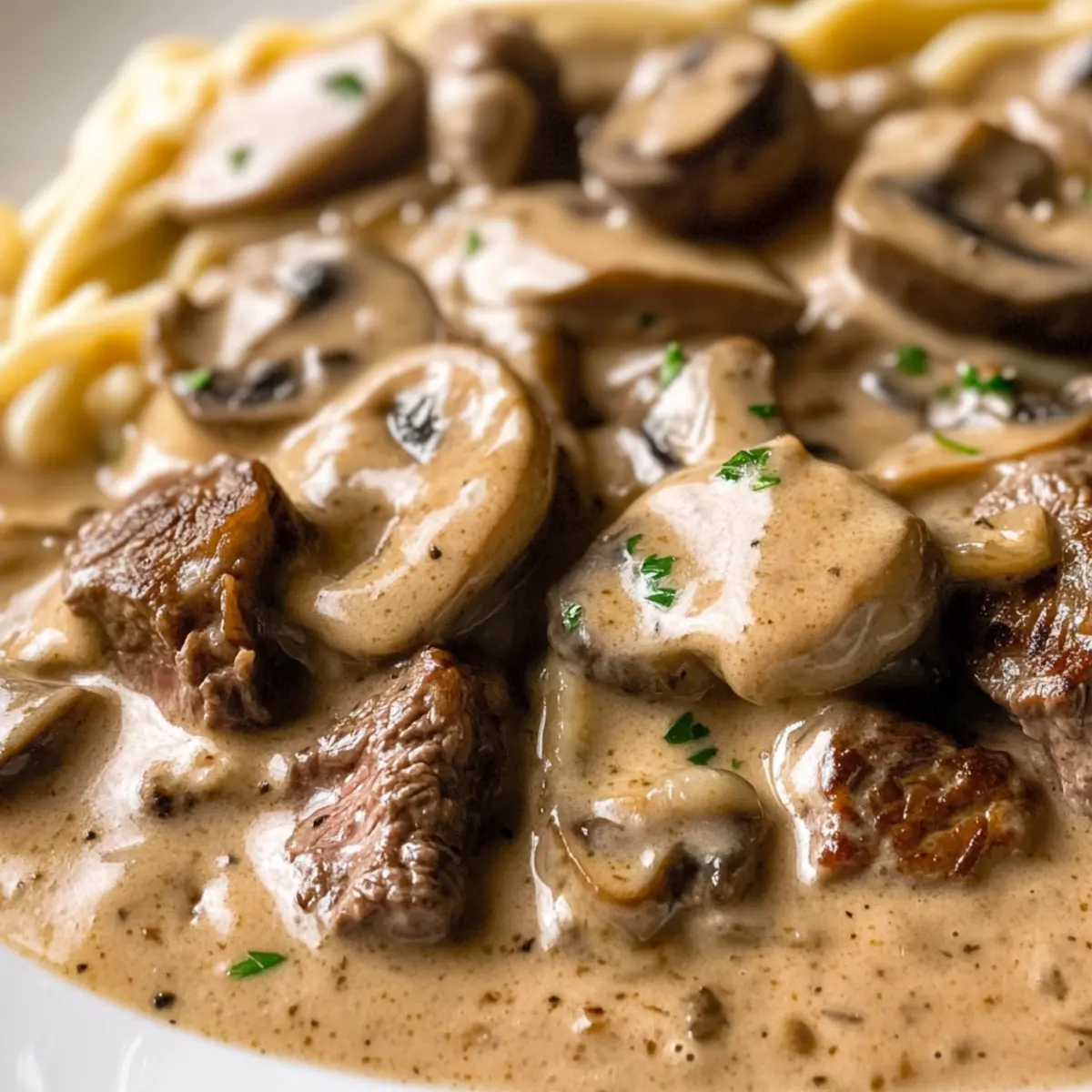
  • Mushroom Stroganoff: This hearty dish offers earthy tones that harmonize beautifully with the brioche, perfect for soaking up every last drop. A spoonful of creamy stroganoff atop a slice of warm brioche is pure bliss.
  • Homemade Jam or Honey Butter: Spread some luscious jam or whipped honey butter over a slice of warm brioche; it elevates breakfast into a sweet, dreamy experience.
  • Warm Apple Crisp: The warmth and sweetness of baked apples with a hint of cinnamon pair fantastically with the soft bread, crafting extraordinary dessert moments.
  • Classic Hot Chocolate: A cozy drink to sip while enjoying warm brioche; its sweetness balances beautifully with the rich flavors of the bread.
  • Decadent Dark Chocolate Mousse: For a luxurious experience, serve this velvety dessert alongside sliceable brioche to enjoy an indulgent end to your meal.

Let these delightful pairings inspire you to create unforgettable moments around your table!

Expert Tips for Judy's Homemade Brioche

  • Use Room Temperature Ingredients: Warm eggs and butter mix more easily into the dough, ensuring a smooth and cohesive brioche.

  • Don't Skip the Cold-Proofing: Refrigerating the dough overnight enhances the flavor, giving your brioche a rich, complex taste that's worth the wait.

  • Watch the Dough Consistency: The dough should be sticky; avoid adding too much flour, as this can lead to a dense loaf instead of the light, airy texture of Judy's Homemade Brioche.

  • Proof in a Warm Place: Make sure your dough rises in a draft-free, warm spot to promote optimal yeast activity, ensuring it doubles in size as it should.

  • Monitor Baking Time: Keep an eye on your brioche while baking; if it browns too quickly, tent it with foil to prevent burning.

  • Store Properly: For best freshness, store completely cooled brioche in an airtight container; it can also be frozen for longer storage without losing its delicious flavor!

Storage Tips for Judy’s Homemade Brioche

Room Temperature: Store completely cooled brioche in an airtight container at room temperature for up to 3 days to maintain its soft texture and rich flavor.

Fridge: If you plan to keep it longer, refrigerating is not recommended, as it can dry out the bread. Instead, wrap it tightly in plastic wrap before freezing.

Freezer: For extended storage, freeze slices of Judy’s Homemade Brioche by placing them in a freezer bag or container. It can be stored for up to 3 months without losing quality.

Reheating: To enjoy your brioche, simply thaw slices at room temperature or pop them in a toaster for a quick breakfast treat that tastes freshly baked!

Judy's Homemade Brioche Variations & Substitutions

Get ready to create your own delicious twists on this classic recipe, turning every loaf into a unique masterpiece!

  • Add-Ins: Incorporate chocolate chips or dried fruit for a fun, sweet dimension. They melt or soften as the brioche bakes, adding bursts of flavor with every bite.
  • Whole Wheat: Use part whole wheat flour for a healthier option. The nutty flavor adds character while enhancing the nutritional profile of your brioche.
  • Different Shapes: Shape the dough into individual buns instead of loaves for perfect breakfast sliders, making them great for gatherings or brunch. These little delights are sure to impress!
  • Flavor Variations: Experiment with different flavors by adding a tablespoon of vanilla extract or zest from an orange or lemon to the dough for a delightful twist. Citrus brightness gives a refreshing taste to this rich bread.
  • Herb-Infused: Mix in fresh herbs like rosemary or thyme for a savory version. This adds an unexpected depth that pairs beautifully with soups or hearty salads.
  • Spiced Brioche: Enhance the flavor with spices such as cinnamon or nutmeg for a cozy touch. This warming flavor is perfect for fall or holiday gatherings and will fill your kitchen with inviting aromas.
  • Gluten-Free: Substitute with a gluten-free flour blend and a binding agent like xanthan gum for a gluten-free brioche. You won’t lose the delightful texture; it's still soft and buttery in every bite!

Try serving your brioche alongside a warm cup of Homemade Hot Chocolate or use a slice for a decadent French toast breakfast with a twist. With every variation you create, your homemade brioche will be a stunning culinary journey!

Judy's Homemade Brioche Recipe FAQs

How do I select the right eggs for making brioche?
Absolutely! For making Judy's Homemade Brioche, use fresh, large eggs at room temperature. This ensures better mixing and incorporation of ingredients, resulting in a light and fluffy texture in the final bread.

What is the best way to store homemade brioche?
Very! Once your brioche is completely cooled, store it in an airtight container at room temperature for up to 3 days. This will keep it fresh and soft. Avoid refrigeration as it can dry out the bread; the freezer is a better option for longer storage.

Can I freeze Judy's Homemade Brioche?
Absolutely! To freeze your brioche, slice it if desired and wrap each piece tightly in plastic wrap, then place them in a freezer bag. You can store it for up to 3 months. When you want to enjoy it, simply thaw at room temperature or toast it directly from frozen—it tastes just as good!

What if my brioche dough doesn't rise properly?
The more the merrier! If your dough isn't rising, it might be due to inactive yeast. Ensure you’re using fresh active dry yeast and that your warm water is around 120°F (49°C). If you notice warm water too hot, it can kill the yeast; if it's too cool, it won’t activate properly. A good tip is to bloom your yeast in warm water with a pinch of sugar for about 5-10 minutes until it becomes frothy!

Are there any dietary restrictions I should consider with brioche?
Very! Homemade brioche contains eggs, dairy, and gluten from all-purpose flour, making it unsuitable for those with egg, dairy, or gluten allergies. However, you can adapt the recipe by using egg substitutes like flax eggs and gluten-free flour blends; just be aware that substituting may affect texture and flavor.

How long does the dough need to rest in the refrigerator?
For optimal flavor development, allow your brioche dough to rest in the refrigerator overnight for at least 8-12 hours. This cold-proofing process enhances its taste and texture, making the final product much richer and more delicious. Trust me, it's well worth the wait!

Judy’s Homemade Brioche

Judy’s Homemade Brioche: Soft, Buttery Perfection Awaits

Judy's Homemade Brioche is a deliciously soft and buttery bread perfect for any meal.
Print Recipe Pin Recipe
Prep Time 30 minutes mins
Cook Time 40 minutes mins
Resting Time 3 hours hrs
Total Time 4 hours hrs 10 minutes mins
Servings: 12 slices
Course: Breakfast
Cuisine: French
Calories: 250
Ingredients Equipment Method Nutrition Notes

Ingredients
  

For the Dough
  • 4.75 cups All-Purpose Flour Divided throughout the process.
  • 1 cup Unsalted Butter At room temperature for easy mixing.
  • 1 cup Granulated Sugar Plus additional for glaze.
  • 1 packet Active Dry Yeast Ensure yeast is fresh for best results.
  • 2 large Eggs Room temperature for better incorporation.
  • 1 teaspoon Salt Balances sweetness.
  • 1.5 cups Warm Water Around 120°F (49°C) for optimal fermentation.
For the Glaze
  • 2 teaspoons Sugar For brushing on finished brioche.
  • 1 tablespoon Water Combine with sugar for glaze.

Equipment

  • Stand Mixer
  • 9x5 loaf pans

Method
 

Step-by-Step Instructions
  1. Prepare the Dough: Bring the eggs and unsalted butter to room temperature. Combine 1 cup of flour, active dry yeast, granulated sugar, and salt in a stand mixer bowl. Gradually add warm water, mixing until smooth. Incorporate eggs one at a time.
  2. Add Flour and Butter: Gradually add 2 cups of all-purpose flour, mixing to form a cohesive dough. Add softened butter in 2–3 batches, allowing full absorption each time.
  3. Incorporate Remaining Flour: Add the remaining flour until the dough is thick and slightly sticky. Switch to a dough hook if needed.
  4. First Rise: Cover and let the dough rise at room temperature for about 3 hours until doubled. Punch down, cover, and refrigerate overnight.
  5. Preheat and Shape: Preheat oven to 350°F. Divide the chilled dough into two equal pieces, shape into logs, and place in greased loaf pans.
  6. Second Rise: Cover and allow to proof for 2½ to 3 hours until doubled.
  7. Bake the Brioche: Bake for 37 to 40 minutes until golden brown. Brush with sugar water during the last few minutes for extra shine.
  8. Cool and Serve: Let cool in pans for 5 minutes, then transfer to a wire rack. Cool completely before slicing.

Nutrition

Serving: 1sliceCalories: 250kcalCarbohydrates: 27gProtein: 5gFat: 14gSaturated Fat: 8gPolyunsaturated Fat: 1gMonounsaturated Fat: 4gCholesterol: 50mgSodium: 150mgPotassium: 90mgFiber: 1gSugar: 3gVitamin A: 400IUCalcium: 10mgIron: 1mg

Notes

For best results, use room temperature ingredients, and don’t skip the overnight refrigeration for enhanced flavor.

Tried this recipe?

Let us know how it was!

Ham and Cheese Sourdough Croissant Loaf for Effortless Brunch

December 13, 2025 by Grace Snow Leave a Comment

The rich aroma of warm sourdough wafting through my kitchen always brings a wave of comfort, but there's something about transforming that traditional bread into a Ham and Cheese Sourdough Croissant Loaf that electrifies my culinary spirit. This versatile recipe balances flaky layers with a deliciously savory filling, making it the perfect centerpiece for a brunch gathering or a delightful addition to a cozy weeknight meal. Imagine the joy of slicing into a loaf with a crunchy crust that reveals melty cheese and tender ham inside—it's pure bliss. Plus, it’s make-ahead friendly, ensuring you can savor every moment without the last-minute rush. Are you ready to elevate your brunch game? Let’s dive into the delectable details!

Why is this recipe a must-try?

Versatile Delight: This Ham and Cheese Sourdough Croissant Loaf effortlessly adapts to any occasion, from brunch to dinner.

Impressive Flavor: The harmony of tangy sourdough, rich Gruyère, and savory ham creates a flavor explosion that will wow both family and friends.

Simple Techniques: With straightforward steps, even novice bakers can master this artisanal loaf, making it accessible for everyone.

Make-Ahead Magic: Prepare it the night before, so your brunch can be a stress-free delight. Enjoy it fresh, warm, or even repurposed into scrumptious sandwiches later!

Crowd Pleaser: Serve it at gatherings, and watch guests rave about your homemade creation. Want more inspiration? Consider pairing it with a refreshing salad or check out our recipes for Chickpea Spinach Curry and Roasted Corn Fried for a well-rounded meal.

Ham and Cheese Sourdough Croissant Loaf Ingredients

For the Bread
• Sourdough Starter – This is the backbone of your loaf; ensure it’s bubbly and ripe for the best rise and flavor.
• All-Purpose/Bread Flour – Provides structure and chewiness; using bread flour can give your loaf an even better texture.
• Water – Hydrates the dough; warm water helps activate the yeast more effectively.
• Salt – Essential for flavor and gluten strength; don’t skip this for a well-seasoned loaf.
• Cold Butter – Key for creating those flaky layers; keep it chilled to ensure a light texture.

For the Filling
• Gruyère Cheese – Adds a rich, creamy flavor that beautifully complements the ham; you can also use Swiss or cheddar as a tasty alternative.
• Diced Ham – Offers a savory, protein-rich filling; consider turkey or roasted vegetables for a lighter twist.

Each of these ingredients contributes to the loving complexity of the Ham and Cheese Sourdough Croissant Loaf—your guests are bound to be impressed!

Step‑by‑Step Instructions for Ham and Cheese Sourdough Croissant Loaf

Step 1: Prepare Levain
Mix your ripe sourdough starter with flour and warm water in a bowl until combined. Cover it with a kitchen towel and place it in a warm spot for 10-12 hours, allowing the mixture to become bubbly and voluminous. This levain will be the flavorful base for your Ham and Cheese Sourdough Croissant Loaf.

Step 2: Make Dough
Once your levain is bubbly, combine it with more warm water and salt in a large mixing bowl. Gradually stir in flour until a sticky dough forms. Allow this mixture to rest for 30 minutes; this autolyse stage encourages gluten development, setting the stage for a chewy texture in your finished loaf.

Step 3: Incorporate Butter
After the rest period, fold cold butter into the dough. Work it in gently every 30 minutes for about 1.5 hours, ensuring the butter remains cold to achieve flaky layers. As you handle the dough, it will gradually become smoother and more elastic, preparing it for the rise to come.

Step 4: First Rise
Cover the dough with a damp towel and let it rise in a warm place for 6-7 hours. You’ll know it’s ready when it has risen about 70% and shows bubbles on the surface. This first rise builds flavor and structure for your Ham and Cheese Sourdough Croissant Loaf.

Step 5: Shape Loaf
Lightly flour your work surface and roll the risen dough into a rectangle. Layer the surface with Gruyère cheese and diced ham, then fold the dough over the filling and roll it tightly, sealing the edges well. This secures the savory filling inside your loaf and creates the delicious flaky texture.

Step 6: Cold Ferment
Wrap the shaped loaf in plastic wrap and refrigerate it for 12-18 hours. This cold fermentation allows the flavors to develop further while also improving the texture. Patience is key here, as the longer resting time enhances the taste of your Ham and Cheese Sourdough Croissant Loaf.

Step 7: Bake
Preheat your Dutch oven to 450°F. Carefully score the top of the loaf with a sharp knife to allow steam to escape, then sprinkle extra cheese on top if desired. Bake the loaf covered for 25 minutes, followed by an additional 20 minutes uncovered at 425°F until it turns golden brown and crispy.

Step 8: Cool
Once baked, carefully transfer your Ham and Cheese Sourdough Croissant Loaf to a cooling rack. Let it cool for at least 30 minutes before slicing to ensure proper texture and flavor. This waiting period is crucial for the crumb to set and allows the delicious aromas to settle into the loaf.

How to Store and Freeze Ham and Cheese Sourdough Croissant Loaf

Room Temperature: Store the Ham and Cheese Sourdough Croissant Loaf in a cool, dry place for up to 2 days, wrapped in a kitchen towel to maintain freshness.

Fridge: If you need to keep it longer, refrigerate in an airtight container for up to 1 week to prevent it from drying out.

Freezer: For longer storage, slice the loaf and freeze in airtight bags for up to 3 months. Reheat directly from frozen at 350°F for 10-15 minutes until warmed through.

Reheating: To enjoy leftovers, reheat slices in a toaster or oven to restore that crunchy exterior and melty interior, echoing the fresh-baked goodness of your Ham and Cheese Sourdough Croissant Loaf.

Expert Tips for Ham and Cheese Sourdough Croissant Loaf

  • Active Starter: Ensure your sourdough starter is bubbly and active for the best rise and flavor in your loaf. A weak starter will yield disappointing results.

  • Chill the Butter: Keeping the butter cold during lamination is crucial for achieving those signature flaky layers. Avoid letting it soften too much.

  • Proper Scoring: Use a sharp knife or a lame to score your loaf. This allows steam to escape without tearing the dough, ensuring an even bake.

  • Patience with Fermentation: Don’t rush the cold fermentation step; allowing your loaf to rest overnight deepens the flavors and improves texture.

  • Temperature Check: If you're unsure about doneness, use an instant-read thermometer; the internal temperature should be around 200°F for a perfectly baked Ham and Cheese Sourdough Croissant Loaf.

  • Experimentation: Feel free to modify the filling! Swap out ham for turkey or try different cheeses to make this recipe your own.

Make Ahead Options

These Ham and Cheese Sourdough Croissant Loaf are perfect for busy home cooks looking to save time! You can prepare the dough and shape the loaf up to 24 hours in advance. To do this, follow all steps up to the cold fermentation, wrap the shaped loaf tightly in plastic wrap, and refrigerate it. This not only allows you to develop richer flavors but also makes it easy to pop it in the oven whenever you're ready to serve. When it's time to bake, simply preheat your oven and follow the baking instructions—your loaf will turn out just as delicious as if made fresh! Enjoy the convenience of a gourmet treat without the last-minute rush!

Ham and Cheese Sourdough Croissant Loaf Variations

Feel free to explore these tantalizing variations and make this recipe uniquely yours!

  • Vegetarian Twist: Substitute diced ham with a mix of roasted vegetables for a delicious meat-free option. The earthy flavors elevate the loaf while keeping it hearty.

  • Cheese Swap: Experiment with different cheeses like Brie for a creamy richness or sharp cheddar for a bolder flavor. Each choice brings a new depth to your loaf.

  • Herb Infusion: Add fresh herbs, such as thyme or rosemary, into the filling for a fragrant twist. Not only does this enhance flavor, but it adds a beautiful aroma during baking.

  • Spice it Up: Dust the filling with a sprinkle of chili flakes or crushed black pepper for a kick. This subtle heat transforms the savory experience into something truly memorable.

  • Savory Spread: Before adding cheese and ham, spread a thin layer of garlic herb cream cheese on the dough. It introduces an extra creamy texture that pairs perfectly with the other flavors.

  • Nutty Addition: Fold in toasted nuts like walnuts or pecans into the filling for added crunch and a nutty depth. This variation not only improves texture but also offers a delightful surprise.

  • International Inspiration: Try adding flavors from around the globe! For instance, use feta and spinach for a Mediterranean flair or incorporate jalapeños and pepper jack cheese for a Tex-Mex spin.

  • Sweet Surprise: For a unique finish, add a swirl of fig jam between the layers. This delightful sweetness contrasts exquisitely with the savory filling, creating an unexpected taste sensation.

These variations not only keep the recipe fresh but inspire creativity! Consider pairing your loaf with a refreshing salad or enjoy it alongside a warm bowl of the delightful Pan Fried Mayo for a complete meal experience.

What to Serve with Ham and Cheese Sourdough Croissant Loaf

The perfect meal is just a dash of creativity away; let this delightful loaf take center stage while you explore mouthwatering pairings.

  • Crisp Green Salad: A refreshing side that balances the richness of the loaf, featuring mixed greens, cherry tomatoes, and a light vinaigrette.
  • Tomato Soup: A warm, creamy bowl of soup enhances the savory flavors while creating a comforting, nostalgic experience that warms the soul.
  • Herbed Quinoa: This nutrient-packed side offers a nutty flavor and a textured contrast that complements the loaf’s flakiness beautifully.
  • Roasted Vegetables: Toss your favorite veggies in olive oil and herbs. Their caramelized sweetness rounds out the savory richness of your Ham and Cheese Sourdough Croissant Loaf.
  • Fruit Salad: A vibrant medley of seasonal fruits adds a burst of sweetness, brightening up your plate and delighting the palate.
  • Sparkling White Wine: The effervescence cuts through the richness, creating a delightful pairing that elevates the brunch experience.
  • Chilled Iced Tea: A refreshing thirst-quencher that balances the savory notes while adding a hint of sweetness from your favorite infused blend.
  • Chocolate Chip Cookies: Cap off your meal with a sweet treat that delights the senses; after all, a touch of chocolate makes everything better!
  • Coffee or Espresso: Complete your brunch with a hot cup that complements the loaf’s flavors, ensuring each bite is as satisfying as the last.

Ham and Cheese Sourdough Croissant Loaf Recipe FAQs

How can I ensure my sourdough starter is ripe?
To ensure your sourdough starter is ripe, look for it to have doubled in size and be bubbly after feeding. This typically takes about 4-6 hours if kept at room temperature. A ripe starter will have a pleasant, slightly tangy aroma. If it passes the "float test" (a small dollop floats in water), it’s perfect for baking your Ham and Cheese Sourdough Croissant Loaf.

How should I store leftovers?
Store any leftover Ham and Cheese Sourdough Croissant Loaf in an airtight container at room temperature for up to 2 days. For longer freshness, refrigerate them for up to a week. Just ensure to wrap the loaf well to keep it from drying out.

Can I freeze the Ham and Cheese Sourdough Croissant Loaf?
Absolutely! To freeze your loaf, slice it first and then wrap each slice tightly in plastic wrap before placing it in an airtight freezer bag. It can be stored frozen for up to 3 months. When ready to enjoy, you can reheat the slices directly from frozen in a 350°F oven for about 10-15 minutes to restore their delightful warmth and texture.

What should I do if my dough doesn’t rise enough?
If your dough doesn’t rise enough, it could be due to a few factors. Make sure your sourdough starter is active before using it. If the dough hasn't risen after the recommended time, don’t panic—extend the rising time by an additional hour or so. Ensure it’s in a warm environment; an oven with the light on is perfect. You can also try warming the water slightly on the next attempt to help activate the yeast better.

Are there any dietary considerations I should watch for?
Yes! If you’re serving guests or family members with dietary restrictions, consider offering substitutes. For gluten-free options, use a gluten-free flour blend to ensure similar results, although the texture may vary. Additionally, if anyone is lactose intolerant, you can substitute Gruyère with lactose-free cheese or opt for a dairy-free cheese alternative.

Can I add different fillings to the loaf?
Very much so! The beauty of the Ham and Cheese Sourdough Croissant Loaf lies in its versatility. Feel free to swap out the ham for turkey, bacon, or even a medley of roasted seasonal vegetables for a vegetarian take. You can also experiment with various cheeses, such as Brie or blue cheese, to create new and exciting flavor profiles!

Ham and Cheese Sourdough Croissant Loaf

Ham and Cheese Sourdough Croissant Loaf for Effortless Brunch

This Ham and Cheese Sourdough Croissant Loaf is a delightful blend of flaky layers and savory filling, perfect for any brunch gathering.
Print Recipe Pin Recipe
Prep Time 1 hour hr
Cook Time 45 minutes mins
Fermentation Time 12 hours hrs
Total Time 13 hours hrs 45 minutes mins
Servings: 8 slices
Course: Breakfast
Cuisine: French
Calories: 250
Ingredients Equipment Method Nutrition Notes

Ingredients
  

For the Bread
  • 1 cup Sourdough Starter Ensure it’s bubbly and ripe
  • 3 cups All-Purpose/Bread Flour Bread flour is preferred for texture
  • 1 cup Water Warm to activate yeast
  • 1 tsp Salt Essential for flavor
  • 1/2 cup Cold Butter Keep chilled for flaky layers
For the Filling
  • 1 cup Gruyère Cheese Rich and complements the ham
  • 1 cup Diced Ham Savory filling option

Equipment

  • Mixing Bowl
  • Rolling Pin
  • Dutch oven
  • plastic wrap
  • Sharp Knife
  • cooling rack

Method
 

Step-by-Step Instructions
  1. Prepare the levain by mixing sourdough starter with flour and warm water. Cover and let sit for 10-12 hours.
  2. Make the dough by combining levain, warm water, and salt in a mixing bowl, then gradually add flour until sticky.
  3. Incorporate cold butter into the dough, folding it in every 30 minutes for about 1.5 hours.
  4. Let the dough rise covered in a warm place for 6-7 hours until about 70% risen.
  5. Shape the loaf by rolling it out, adding filling, and rolling it tightly, sealing the edges.
  6. Cold ferment the shaped loaf in plastic wrap for 12-18 hours in the refrigerator.
  7. Bake the loaf at 450°F for 25 minutes covered, then 20 minutes uncovered at 425°F until golden brown.
  8. Cool on a rack for at least 30 minutes before slicing to set the texture.

Nutrition

Serving: 1sliceCalories: 250kcalCarbohydrates: 30gProtein: 8gFat: 12gSaturated Fat: 7gPolyunsaturated Fat: 1gMonounsaturated Fat: 3gCholesterol: 30mgSodium: 600mgPotassium: 200mgFiber: 2gSugar: 1gVitamin A: 300IUCalcium: 150mgIron: 2mg

Notes

Ensure ingredients, especially the sourdough starter and butter, are properly prepared for best results.

Tried this recipe?

Let us know how it was!

Heavenly Custard-Filled Sweet Bread for Cozy Mornings

December 13, 2025 by Grace Snow Leave a Comment

There's something magical about the smell of freshly baked bread wafting through the kitchen, isn't there? This Creamy Custard-Filled Sweet Bread is where comfort meets creativity, making it an ultimate crowd-pleaser for breakfast or dessert. What I love most about this recipe is its versatility: you can enjoy it warm with a cup of tea, or cool with a dusting of powdered sugar for a delightful treat. Imagine diving into that soft, pillowy texture, only to discover a luscious custard center that simply melts in your mouth. Not only is it easy to whip up, but it's also a fun way to bring a touch of sweetness to any gathering. Are you ready to indulge in this comforting delight and surprise your loved ones?

Why is Custard-Filled Sweet Bread Irresistible?

Versatile Delight: This Custard-Filled Sweet Bread shines at any occasion, perfect for brunch gatherings or cozy desserts at home.

Creamy Center: Imagine that moment when you sink your teeth into the warm, soft dough, revealing a dreamy, creamy custard filling.

Easy to Make: With a straightforward preparation method, even novice bakers can master this delightful recipe.

Customizable Flavors: Feel free to play with different extracts or fillings, like the delightful addition of chocolate chips or zesty orange, for a unique twist!

Crowd-Pleasing: Everyone will love it, making it a fantastic choice for family get-togethers or holiday celebrations. Don’t forget to serve it alongside a slice of Cheesy Garlic Bread for a complementary flavor experience!

Custard-Filled Sweet Bread Ingredients

For the Dough
• All-purpose flour – Provides structure; use bread flour for a chewier texture.
• Granulated sugar – Adds sweetness; substitute with coconut sugar for a lower glycemic option.
• Butter – Brings moisture and richness; opt for unsalted or use coconut oil for dairy-free goodness.
• Milk – Infuses flavor; any nut milk, like almond, works as a dairy alternative.
• Yeast – Essential for leavening; active dry yeast is ideal, but instant yeast can be used without adjustments.
• Eggs – Serve as a binding agent and enhance flavor; flax eggs can replace for a vegan option.
• Vanilla extract – Enhances flavor; swap for almond extract for a unique profile.

For the Custard Filling
• Custard filling – The star of the show; premade custard saves time while providing a creamy texture and sweetness.

For Finishing Touch
• Powdered sugar – A beautiful dusting; optional but adds an elegant touch before serving.

Step‑by‑Step Instructions for Custard-Filled Sweet Bread

Step 1: Dough Preparation
In a large mixing bowl, combine all-purpose flour, granulated sugar, active dry yeast, and salt. In a separate bowl, gently warm the milk and melt the butter together until just lukewarm. Whisk in the eggs and vanilla extract, then pour this mixture into the dry ingredients. Mix until a dough forms, and knead for about 8-10 minutes until the dough is smooth and elastic.

Step 2: First Rise
Place the kneaded dough into a greased bowl, covering it with a damp cloth or plastic wrap. Let it rise in a warm place for about 1 hour, or until it has doubled in size. You’ll know it’s ready when your dough feels light and puffy to the touch, indicating the yeast is working its magic.

Step 3: Custard Making
While the dough is rising, prepare the custard filling. In a saucepan, combine your chosen custard ingredients, whisking continuously over medium heat until the mixture thickens, which should take about 5-7 minutes. Once thickened, remove from the heat and allow it to cool slightly while your dough continues to rise.

Step 4: Shaping
After the dough has completed its first rise, punch it down gently to release any air. Roll it out onto a floured surface, shaping it into a rectangle. Cut the dough into equal squares, placing a generous spoonful of custard in the center of each piece. Carefully fold the edges over to seal the custard inside, ensuring a tight closure to prevent leaks.

Step 5: Second Rise
Place the shaped custard-filled dough balls on a baking sheet lined with parchment paper. Cover them lightly and let them rise again for about 30 minutes, or until puffy. The dough should visibly expand and feel airy, resembling small pillows ready for baking.

Step 6: Baking
Preheat your oven to 350°F (175°C). Once preheated, bake the filled sweet breads for approximately 20 minutes, or until they turn a lovely golden brown. You’ll know they’re done when the tops are beautifully browned, and your kitchen fills with that irresistible aroma of baked bread.

Step 7: Cooling
After baking, remove the custard-filled sweet breads from the oven and allow them to cool on wire racks. Let them rest for about 10-15 minutes, allowing the custard filling to set slightly before dusting with powdered sugar for an elegant finish. Enjoy them warm or at room temperature!

What to Serve with Custard-Filled Sweet Bread

There's nothing quite like crafting a well-rounded meal around your favorite sweet breads, where flavors and textures dance in harmony.

  • Fresh Berries: The tartness of strawberries, blueberries, or raspberries contrasts beautifully with the creamy custard, offering a burst of freshness.

  • Vanilla Ice Cream: A scoop of creamy vanilla ice cream melting over the warm sweet bread transforms dessert into a delightful treat. The cool versus warm creates a dreamy experience.

  • Maple Syrup: Drizzling warm maple syrup adds a sweet, earthy dimension that complements the rich custard filling, enhancing every bite.

  • Coffee or Tea: Sipping a cup of freshly brewed coffee or herbal tea rounds out the meal, balancing the sweetness and creating a cozy ambiance.

  • Yogurt Parfait: Stacking layers of creamy yogurt with granola and fruits beside your sweet bread adds a refreshing and healthy crunch to your brunch spread.

  • Chocolate Sauce: Warm, silky chocolate sauce drizzled over a slice offers a dessert experience that feels indulgent and utterly luxurious.

  • Whipped Cream: A dollop of freshly whipped cream can elevate your custard-filled sweet bread into a sophisticated dessert, adding lightness while enhancing its sweetness.

Let these pairings inspire your next meal, turning a simple occasion into a delightful culinary celebration!

How to Store and Freeze Custard-Filled Sweet Bread

Room Temperature: Store your custard-filled sweet bread in an airtight container for up to 3 days to maintain its softness and freshness.

Fridge: If you need to keep it longer, refrigerate it for up to a week. Wrap it tightly to prevent it from drying out.

Freezer: For longer storage, freeze the sweet bread for up to 2 months. Ensure it's wrapped securely to prevent freezer burn.

Reheating: Rewarm in the oven at 350°F (175°C) for about 10 minutes, or microwave for 15-20 seconds, to enjoy that freshly baked texture again.

Custard-Filled Sweet Bread Variations

Feel free to get creative and customize your Custard-Filled Sweet Bread with these delightful twists, perfect for a baking adventure!

  • Chocolate Bliss: Fold chocolate chips into the custard filling for a rich chocolate experience. Each bite becomes a heavenly treat that chocolate lovers will adore.

  • Zesty Citrus: Add the zest of one orange or lemon to the dough for a refreshing hint of citrus. The brightness elevates the flavor profile and adds a lovely aroma.

  • Nutty Extra: Stir in chopped nuts, like pecans or walnuts, into the custard for added crunch. The combination of creamy and crunchy will leave your taste buds dancing.

  • Spiced Delight: Sprinkle cinnamon or nutmeg into the dough for a warm, aromatic twist. This variation will transport you to cozy winter mornings no matter the season!

  • Boozy Flavor: A splash of rum or brandy in the custard elevates this bread into dessert territory. Just imagine the incredible depth and warmth from each luscious slice.

  • Fruit Filling: Swap out the custard for your favorite jam or fruit preserves for a fruity surprise. Strawberry or apricot complements the sweet bread beautifully!

  • Vegan Option: Replace eggs with flax eggs and use almond milk instead of regular milk to make this recipe vegan-friendly while still maintaining its deliciousness.

  • Syrupy Sweet: Drizzle maple syrup over the warm bread just before serving to add an extra touch of sweetness. Pair it with a side of fresh fruits for balance!

Adventure awaits in your kitchen! If you enjoy experimenting, consider also preparing a side of Cornbread Breakfast Casserole or a delightful Sweet Potato Casserole to diversify your table. Happy baking!

Expert Tips for the Best Custard-Filled Sweet Bread

Warm Milk: Ensure your milk is warm but not hot when adding yeast; too much heat can kill the yeast, preventing proper rising.

Seal Carefully: Be sure to seal the dough properly around the custard filling; this prevents any delightful custard from leaking out while baking.

Rest Before Slicing: Let the baked sweet bread cool for at least 10-15 minutes before slicing; this helps set the custard and enhances the texture.

Knead Well: Knead the dough thoroughly for at least 8-10 minutes to develop the gluten, ensuring a soft, fluffy bread that holds its shape.

Don’t Rush the Rises: Give the dough ample time to rise in both stages; this is key for the light and airy texture of the custard-filled sweet bread.

Make Ahead Options

These Custard-Filled Sweet Breads are perfect for busy home cooks who love to meal prep! You can make the dough up to 24 hours in advance; simply prepare it, let it rise, and then refrigerate it in a covered bowl to slow down the fermentation. For the custard filling, you can prepare and refrigerate it for up to 3 days; this not only saves time but ensures it’s ready to use when you’re ready to assemble. When you’re set to bake, allow the dough to come to room temperature and complete the second rise for about 30 minutes before filling and baking. This way, you'll enjoy warm, fluffy sweet bread with rich custard, just as delicious as if freshly made!

Custard-Filled Sweet Bread Recipe FAQs

What type of flour is best for Custard-Filled Sweet Bread?
All-purpose flour is ideal for this recipe due to its balanced properties. However, if you're aiming for a chewier texture, bread flour can be a fantastic substitute. Just keep in mind that bread flour has a higher protein content, which may affect the bread’s final softness.

How should I store leftover Custard-Filled Sweet Bread?
Store your sweet bread in an airtight container at room temperature for up to 3 days. If you want to keep it fresh for a longer period, it can last in the fridge for up to a week when tightly wrapped to prevent drying.

Can I freeze Custard-Filled Sweet Bread and how?
Absolutely! To freeze, wrap the completely cooled sweet bread tightly in plastic wrap, followed by aluminum foil to prevent freezer burn. It will stay fresh for up to 2 months. When you're ready to enjoy it, simply unwrap and rewarm in the oven at 350°F (175°C) for about 10 minutes or until warmed through.

What should I do if my dough doesn’t rise?
If your dough fails to rise, it could be due to a few factors. First, make sure that the yeast is fresh and active—check the expiration date. Second, ensure your milk was warm (not hot!) when mixed with the yeast. If the environment is too cool, try placing the dough in a slightly warm area like an oven with just the light on. You can also let it rise longer until it doubles in size.

Are there any dietary considerations for Custard-Filled Sweet Bread?
Yes, if you have dietary restrictions, you can easily adapt this recipe. For a dairy-free version, replace the butter and milk with coconut oil and any nut milk. Additionally, you can use flax eggs as a plant-based alternative to traditional eggs. Just mix 1 tablespoon of ground flaxseed with 3 tablespoons of water per egg and let it sit until it thickens before adding to your dough.

Can I use premade custard for the filling?
Definitely! Using premade custard is an excellent way to save time and still achieve that creamy filling we all love. Just ensure to cool it slightly before adding to the dough to prevent disrupting the rising process!

Custard-Filled Sweet Bread

Heavenly Custard-Filled Sweet Bread for Cozy Mornings

This Custard-Filled Sweet Bread is a magical blend of comfort and creativity, perfect for breakfast or dessert.
Print Recipe Pin Recipe
Prep Time 30 minutes mins
Cook Time 20 minutes mins
Rising Time 1 hour hr 30 minutes mins
Total Time 2 hours hrs 20 minutes mins
Servings: 8 slices
Course: Dessert
Cuisine: Bakery
Calories: 180
Ingredients Equipment Method Nutrition Notes

Ingredients
  

For the Dough
  • 4 cups All-purpose flour Use bread flour for a chewier texture.
  • 1/4 cup Granulated sugar Substitute with coconut sugar for a lower glycemic option.
  • 1/2 cup Butter Opt for unsalted or coconut oil for dairy-free.
  • 1 cup Milk Any nut milk, like almond, works as a dairy alternative.
  • 2 teaspoons Active dry yeast Instant yeast can be used without adjustments.
  • 2 large Eggs Flax eggs can replace for a vegan option.
  • 1 teaspoon Vanilla extract Swap for almond extract for a unique profile.
For the Custard Filling
  • 2 cups Custard filling Premade custard saves time.
For Finishing Touch
  • 1 cup Powdered sugar Optional but adds an elegant touch.

Equipment

  • Mixing Bowl
  • Saucepan
  • Baking Sheet
  • Parchment Paper
  • wire rack

Method
 

Dough Preparation
  1. In a large mixing bowl, combine all-purpose flour, granulated sugar, active dry yeast, and salt.
  2. In a separate bowl, gently warm the milk and melt the butter together until just lukewarm.
  3. Whisk in the eggs and vanilla extract, then pour this mixture into the dry ingredients.
  4. Mix until a dough forms, and knead for about 8-10 minutes until the dough is smooth and elastic.
First Rise
  1. Place the kneaded dough into a greased bowl, covering it with a damp cloth or plastic wrap.
  2. Let it rise in a warm place for about 1 hour, or until it has doubled in size.
Custard Making
  1. While the dough is rising, prepare the custard filling by combining your chosen custard ingredients in a saucepan.
  2. Whisk continuously over medium heat until the mixture thickens, about 5-7 minutes.
  3. Once thickened, remove from heat and allow it to cool slightly.
Shaping
  1. After the dough has completed its first rise, punch it down gently to release any air.
  2. Roll it out onto a floured surface, shaping it into a rectangle.
  3. Cut the dough into equal squares, placing a generous spoonful of custard in the center of each piece.
  4. Carefully fold the edges over to seal the custard inside.
Second Rise
  1. Place the shaped custard-filled dough balls on a baking sheet lined with parchment paper.
  2. Cover them lightly and let them rise again for about 30 minutes.
Baking
  1. Preheat your oven to 350°F (175°C).
  2. Once preheated, bake the filled sweet breads for approximately 20 minutes, or until golden brown.
Cooling
  1. After baking, remove the custard-filled sweet breads from the oven and allow them to cool on wire racks.
  2. Let them rest for about 10-15 minutes before dusting with powdered sugar.

Nutrition

Serving: 1sliceCalories: 180kcalCarbohydrates: 25gProtein: 4gFat: 7gSaturated Fat: 4gPolyunsaturated Fat: 0.5gMonounsaturated Fat: 2.5gCholesterol: 40mgSodium: 120mgPotassium: 80mgFiber: 1gSugar: 6gVitamin A: 200IUCalcium: 50mgIron: 1mg

Notes

Allow the sweet bread to cool for at least 10-15 minutes before slicing to enhance the texture.

Tried this recipe?

Let us know how it was!

Delicious Homemade German Bread in Just 5 Minutes

December 13, 2025 by Grace Snow Leave a Comment

As the warm scent of baking bread wafts through my kitchen, I'm reminded of cozy family gatherings shared around the table. Today, I’m excited to share my recipe for Quick German Bread, a rustic loaf that you can whip up in just 5 minutes of prep! With its golden, crackly crust and soft, chewy interior, this homemade bread is a fantastic option for those busy weeknights when you crave a comforting touch. Plus, it’s incredibly versatile—use it for sandwiches, or enjoy a slice warm with butter. Not only does it embrace the heartiness of traditional German bread, but it also simplifies the process, making homemade goodness accessible to everyone. Are you ready to dive into this delicious adventure in baking?

Why is this German Bread so special?

Quick, No Fuss: In just 5 minutes of prep, you can create a stunning rustic loaf that impresses family and friends.

Amazing Aroma: The smell of freshly baked bread fills your home, bringing warmth and comfort to any occasion.

Endless Possibilities: This bread is a blank canvas! Mix it up with seeds, herbs, or even sun-dried tomatoes for a personal touch.

Perfect Texture: Enjoy a beautifully crackly crust with a soft, chewy interior that’s far from ordinary. It pairs perfectly with soups or can be transformed into delicious sandwiches.

Time-Saving Delight: Say goodbye to store-bought bread! With minimal ingredients and effort, this bread is your go-to for tasty homemade goodness.

Don't forget to check out German Potato Salad as a delightful side to complement your freshly baked bread!

German Bread Ingredients

For the Dough

  • All-purpose flour or bread flour – Provides structure and chewiness; substitute with whole wheat flour for a nuttier flavor.
  • Instant yeast – Leavens the bread quickly; you can use active dry yeast if activated in warm water first.
  • Warm water (around 110°F / 45°C) – Hydrates the flour and activates the yeast; ensure it's warm but not hot to avoid killing the yeast.
  • Salt – Enhances flavor and strengthens gluten structure; no substitutions recommended.
  • Honey or sugar – Adds slight sweetness and aids browning; can be replaced with maple syrup or agave.
  • Olive oil (optional) – Adds richness and moisture; this can be omitted without significant impact on the bread.

For the Toppings (optional)

  • Flaky salt – Sprinkling on top creates a delightful contrast to the bread's texture.
  • Everything bagel seasoning – Adds a flavorful twist for those who enjoy a bit more seasoning.

Let’s get started on baking that delicious German bread!

Step‑by‑Step Instructions for Quick German Bread

Step 1: Combine the Dry Ingredients
In a large mixing bowl, combine 3 cups of all-purpose flour, 2 teaspoons of instant yeast, and 1 teaspoon of salt. Stir the ingredients together until they are well mixed, creating a uniform dry mixture. This blend forms the essential foundation for your rustic German bread, ensuring even distribution of the yeast and enhancing the overall flavor.

Step 2: Mix in the Wet Ingredients
Pour in 1 and 1/4 cups of warm water (about 110°F / 45°C) and 1 tablespoon of honey into the dry ingredients. Using a wooden spoon or your hands, gently mix until a sticky dough begins to form. This should take about 1 to 2 minutes; the dough should hold together but remain slightly tacky, signaling that it’s ready for the next step.

Step 3: Knead the Dough
Transfer the sticky dough onto a well-floured surface. Knead it for 1 to 2 minutes, apply gentle pressure, and fold it over itself until it becomes smoother and slightly elastic. This brief kneading helps develop gluten, which is crucial for achieving that delightful chewy texture characteristic of homemade German bread.

Step 4: Let the Dough Rest
Place the kneaded dough back into the mixing bowl and cover it with a clean kitchen towel. Allow it to rest in a warm location for 5 to 10 minutes. This resting period will help the dough relax, making it easier to shape into a rustic loaf and ensuring a perfect rise during baking.

Step 5: Preheat the Oven
While the dough rests, preheat your oven to 425°F (220°C). Position a Dutch oven inside the oven as it heats. This step is essential for creating steam, which helps achieve that beautiful, crackly crust on your German bread, making it even more appealing once baked.

Step 6: Shape the Dough
After the rest period, gently punch down the dough to deflate it. Shape it into a rustic loaf that’s about the size of your Dutch oven. Using parchment paper can help in transferring it easily later. Just make sure your bread is not overly tight; it should still retain some airiness to allow proper expansion while baking.

Step 7: Score the Loaf
Carefully place the shaped dough onto parchment paper, then take a sharp knife and make a few slashes across the top of the loaf. This scoring not only enhances the presentation of your German bread but also allows for better expansion during baking, ensuring a beautifully risen loaf with a fantastic crust.

Step 8: Bake the Bread
Using oven mitts, remove the heated Dutch oven from the oven. Carefully lift the parchment paper with the dough and place it inside. Cover with the lid and bake for 20 minutes. After 20 minutes, uncover the Dutch oven and bake for an additional 5 to 10 minutes, until the top is golden brown and the bread sounds hollow when tapped on the bottom.

Step 9: Cool the Bread
Once baked, remove the Dutch oven from the oven and carefully take out the bread using the parchment paper. Let the bread cool on a wire rack for at least 10 minutes. Cooling is vital to allow the crust to set properly, and it also helps prevent the bread from becoming gummy when sliced.

German Bread Variations & Substitutions

Customize your German bread experience with these delightful twists and swaps that will elevate its flavor and texture!

  • Whole Wheat: Substitute half of the all-purpose flour with whole wheat for a nutty taste and extra fiber.
  • Rye Flour: Mix in half rye flour to create a denser, more traditional German flavor profile that both hearty and satisfying.
  • Sweetness Switch: Replace honey with maple syrup for a unique touch of sweetness that pairs wonderfully with this rustic loaf.
  • Herb Infusion: Add fresh herbs like rosemary or thyme into the dough for an aromatic twist that adds flavor depth.

Whether you’re experimenting with savory elements or exploring fragrant additions, the possibilities are endless! A sprinkle of everything bagel seasoning on top can add a delightful crunch to your loaf.

  • Savory Add-ins: Fold in chopped olives, sun-dried tomatoes, or crumbled feta cheese to infuse vibrant flavors into each bite.
  • Seed Variety: Toss in seeds like caraway or sesame for added texture and a delightful crunch, giving your bread a rustic flair.
  • Spice it Up: For a little kick, mix in a dash of crushed red pepper flakes into the dough for unexpected warmth.

There you go! Personalizing your bread is as simple as picking a flavor direction you love. Happy baking! Don’t forget to pair your bread with a side of German Potato Salad for a hearty meal that'll warm your heart!

Make Ahead Options

These Quick German Bread loaves are a lifesaver for meal prep enthusiasts! You can prepare the dough up to 24 hours in advance by mixing the dry ingredients and adding the wet components, then storing the dough covered in the refrigerator. This allows the flavors to develop beautifully while saving you time on busy weeknights. To maintain the quality, let the dough warm up at room temperature for about 30 minutes before shaping it into a loaf. When you're ready to bake, simply shape the dough, preheat the oven, and follow the baking instructions as usual, ensuring you enjoy fresh, homemade German bread with minimal effort!

What to Serve with Quick German Bread in Just 5 Minutes

There's something special about pairing your freshly baked loaf with delightful accompaniments that elevate your dining experience.

  • Creamy Tomato Soup: This classic pairing offers a warm, comforting experience, perfectly balancing the rustic texture of your bread.
  • Savory Cheese Platter: A variety of cheeses—think sharp cheddar or creamy brie—create a delightful contrast to the bread's chewy bite.
  • Herbed Olive Oil Dip: Drizzle this fragrant blend of olive oil and fresh herbs to enhance the bread's flavor and add a touch of Mediterranean flair.
  • Roasted Vegetables: The caramelized sweetness of vegetables like carrots and bell peppers complements the hearty facets of the German bread.
  • Crisp Green Salad: A fresh salad with tangy vinaigrette adds brightness to every bite, making for a balanced meal with texture and flavor.
  • Homemade Jam: Spread a layer of fruit jam for a sweet juxtaposition to the bread's rustic notes, turning your loaf into a breakfast delight.
  • German Potato Salad: This tangy, warm salad with crispy bacon ties back to traditional German cuisine, making it a perfect side addition.
  • Fruity Iced Tea: Pair your meal with a refreshing glass of iced tea infused with fruits for a delightful, thirst-quenching finish.
  • Decadent Chocolate Cake: For dessert, indulge in a rich chocolate cake to save the best for last, making every meal memorable and sweet.

Storage Tips for German Bread

Room Temperature: Store your German bread in an airtight container at room temperature for up to 3 days to maintain freshness and texture.

Freezer: For longer storage, wrap the loaf tightly in plastic wrap or aluminum foil, then place it in a freezer-safe bag. It can be frozen for up to 3 months.

Reheating: To restore the bread's crusty exterior, reheat slices in a warm oven (350°F/175°C) for about 5-10 minutes or until warmed through.

Cutting: Avoid slicing the bread until you're ready to eat it; this helps retain moisture and keeps the loaf fresher for longer.

Expert Tips for Quick German Bread

  • Fresh Yeast Required: Ensure your yeast is fresh and active; expired yeast can lead to dense bread that doesn’t rise well.

  • Monitor Dough Stickiness: If the dough is too sticky while kneading, sprinkle a bit more flour to make it manageable, but avoid adding too much.

  • Utilize Steam for Crust: For a beautifully crackly crust, place a shallow pan of water in the oven while it preheats. This steam enhances the baking process.

  • Perfect Bread Texture: Tap the bottom of the baked loaf—if it sounds hollow, your German bread is ready. This indicates a perfect bake inside!

  • Kneading Time: Don’t over-knead; a quick 1-2 minutes is sufficient for developing the right texture, ensuring the bread remains soft and chewy.

Quick German Bread Recipe FAQs

How do I choose the right flour for this German bread?
Absolutely! You can use either all-purpose or bread flour for your Quick German Bread. If you're looking for a nuttier flavor, I recommend trying whole wheat flour as a substitute. Just keep in mind that using whole wheat may alter the texture slightly, resulting in a denser loaf.

How should I store my German bread after baking?
To maintain its freshness, store your German bread in an airtight container at room temperature for up to 3 days. This keeps the texture soft and delightful. If you want to save it for longer, wrap the loaf tightly in plastic wrap or aluminum foil and place it in a freezer-safe bag where it can last for up to 3 months.

Can I freeze German bread? How?
Yes, you can freeze your delicious German bread! After cooling, wrap the entire loaf tightly in plastic wrap or aluminum foil to prevent freezer burn. Then, place it in a freezer-safe bag for added protection. When you're ready to enjoy it, simply thaw it at room temperature or reheat it directly from the freezer in a warm oven at 350°F (175°C) for about 10-15 minutes.

What should I do if my dough is too sticky?
If you find your dough is too sticky while kneading, don't worry! Just sprinkle a little more flour, about a tablespoon at a time, until it becomes manageable. Remember, it should remain slightly tacky but not overly sticky—this balance is key to achieving that perfect chewy texture in your German bread.

Are there any dietary considerations I should keep in mind?
Certainly! This Quick German Bread recipe contains gluten from the flour, so it's not suitable for those on a gluten-free diet. If you're looking to reduce sugar intake, you can use agave syrup or omit the sweetener altogether. For those with yeast sensitivities, consider experimenting with a sourdough starter; it may yield different, yet delightful results!

German Bread

Delicious Homemade German Bread in Just 5 Minutes

This quick and easy German Bread recipe delivers a rustic loaf with a golden crust and chewy interior, perfect for any occasion.
Print Recipe Pin Recipe
Prep Time 5 minutes mins
Cook Time 30 minutes mins
Resting Time 10 minutes mins
Total Time 45 minutes mins
Servings: 10 slices
Course: Breakfast
Cuisine: German
Calories: 120
Ingredients Equipment Method Nutrition Notes

Ingredients
  

Dough Ingredients
  • 3 cups all-purpose flour or bread flour
  • 2 teaspoons instant yeast
  • 1 teaspoon salt
  • 1.25 cups warm water around 110°F / 45°C
  • 1 tablespoon honey or sugar
  • 1 tablespoon olive oil optional
Topping Ingredients (optional)
  • to taste flaky salt
  • to taste everything bagel seasoning

Equipment

  • Mixing Bowl
  • Wooden spoon
  • Dutch oven
  • Parchment Paper
  • wire rack
  • oven mitts

Method
 

Step-by-Step Instructions
  1. Combine the dry ingredients in a large mixing bowl: 3 cups of all-purpose flour, 2 teaspoons of instant yeast, and 1 teaspoon of salt.
  2. Mix in the wet ingredients: Pour in 1.25 cups of warm water and 1 tablespoon of honey.
  3. Knead the dough on a floured surface for 1 to 2 minutes until smoother.
  4. Let the dough rest covered in a warm place for 5 to 10 minutes.
  5. Preheat the oven to 425°F (220°C) with the Dutch oven inside.
  6. Shape the dough into a rustic loaf and place it on parchment paper.
  7. Score the top of the loaf with a sharp knife for better expansion.
  8. Bake the bread in the Dutch oven for 20 minutes covered, then 5-10 minutes uncovered until golden brown.
  9. Cool the bread on a wire rack for at least 10 minutes before slicing.

Nutrition

Serving: 1sliceCalories: 120kcalCarbohydrates: 22gProtein: 4gFat: 2gSaturated Fat: 0.5gPolyunsaturated Fat: 0.3gMonounsaturated Fat: 1gSodium: 250mgPotassium: 60mgFiber: 1gSugar: 1gCalcium: 10mgIron: 1.2mg

Notes

Store in an airtight container at room temperature for up to 3 days or freeze for up to 3 months.

Tried this recipe?

Let us know how it was!

No-Knead Cheese Bread: Your New Favorite Comfort Food

December 13, 2025 by Grace Snow Leave a Comment

The first time I pulled a loaf of No-Knead Cheese Bread from the oven, I felt like a culinary magician. The warm, golden crust crackled gently as I cut into it, releasing an irresistible aroma of melted cheese. This recipe perfectly captures the joy of homemade bread without the back-breaking labor of kneading. With just a few simple ingredients and minimal effort, you can create a comforting treat that’s sure to impress even the pickiest eaters. Not only is this cheese bread incredibly easy to make, but its gooey, cheesy interior makes it a delightful addition to any meal or gathering. So, whether you’re a seasoned baker or trying your hand at bread-making for the first time, get ready to embrace the delicious magic happening in your own kitchen. What flavors do you think you’d add?

What makes this cheese bread special?

Simplicity at Its Finest: With just a handful of ingredients and no kneading required, this recipe is perfect for home cooks of all skill levels.

Gooey Goodness: Each bite unveils a delightful mix of stretchy cheese, bringing a deeply satisfying burst of flavor.

Versatile Pairing: Enjoy it warm alongside your favorite soups, like creamy tomato or hearty broccoli cheddar, or as a standout feature on a charcuterie board.

Crowd-Pleaser: Impress friends and family at gatherings; they'll be begging for your secret recipe! This Cornbread Breakfast Casserole could complement your cheese bread well as a flavorful side.

Make-Ahead Wonder: Prep ahead of time and freeze for a quick warm-up when those cheesy cravings strike. Don’t forget to check out Cheesy Garlic Bread for another delightful creation!

Cheese Bread Ingredients

For the Dough
• Bread Flour – Provides structure and chewiness; if you want a softer texture, you can substitute it with all-purpose flour.
• Instant Yeast – Helps the dough rise quickly and efficiently; make sure it's fresh for the best results.
• Salt – Enhances flavor and controls fermentation; use sea salt or kosher salt for a finer taste.
• Warm Water – Activates the yeast and combines dry ingredients; aim for water around 77°F/25°C for optimal results.

For the Cheese
• Cheese (Colby or your favorite) – Adds flavor and gooey texture to the bread; cheddar, Monterey Jack, or Gruyere are excellent substitutes if you desire a different taste.

Step‑by‑Step Instructions for Cheese Bread

Step 1: Combine Dry Ingredients
In a large mixing bowl, whisk together 3 cups of bread flour, 1 teaspoon of instant yeast, and 1 teaspoon of salt until well-blended. This mixture is the foundation for your no-knead cheese bread. Make sure the ingredients are evenly distributed to ensure a uniform rise during the baking process.

Step 2: Mix in Warm Water
Gradually pour in 1¾ cups of warm water (about 77°F/25°C) into the dry ingredients, stirring gently with a spatula until a sticky and shaggy dough forms. The mixture should come together to create a cohesive yet slightly wet dough crammed with potential for deliciousness.

Step 3: Let Dough Rise
Cover the mixing bowl tightly with cling wrap or a clean towel, and place it in a warm area. Allow the dough to rise for about 2 to 3 hours, or until it has doubled in size and appears bubbly on the surface. This step is crucial for developing flavor and texture in your cheese bread.

Step 4: Preheat the Oven
About 30 minutes before baking, preheat your oven to 450°F (220°C). Place a heavy Dutch oven (with its lid) inside the oven while it heats up. This preheating step is key to achieving a perfectly golden and crispy crust on your cheese bread.

Step 5: Shape the Dough
Once the dough has risen beautifully, flour a clean surface and gently turn out the dough. With floured hands, shape it into an 8-inch round without overworking it. Sprinkle half of the shredded cheese onto the center of the dough, gently folding the edges toward the center to create a filled ball of cheese goodness.

Step 6: Prepare for Baking
Transfer the shaped dough carefully onto a piece of parchment paper. Sprinkle the remaining cheese on top and optionally, a light dusting of flour. Using the parchment as a sling, gently lift the dough and place it inside the preheated Dutch oven. Cover with the lid and ensure a tight seal to trap the steam for baking.

Step 7: Bake the Cheese Bread
Bake the cheese bread covered for 35 minutes to allow it to develop a nice crust while keeping the inside soft and cheesy. After that time, remove the lid and continue to bake for an additional 10 minutes until the bread is golden brown and deeply inviting.

Step 8: Cool Before Slicing
Once baked to perfection, carefully remove the cheese bread from the Dutch oven and let it cool on a wire rack for at least 10 minutes. This cooling time helps to set the crumb of the bread while intensifying the cheesy aroma, making it easier to slice and enjoy its delightful gooeyness.

Cheese Bread Variations & Substitutions

Customize your cheese bread to match your taste buds and pantry staples, and let your creativity shine!

  • Cheese Swap: Use any cheese you love, like a mix of cheddar and gouda for a smoky flavor.
  • Herb-Infused: Add garlic powder or fresh herbs like rosemary or thyme to the dough for an exciting flavor enhancement. It’s an easy way to bring a garden-fresh taste to each bite!
  • Spicy Kick: Fold in some diced jalapeños or red pepper flakes for a spicy version that warms the soul.
  • Flexi-Flour: Substitute whole wheat flour for a nuttier flavor and added health benefits—perfect for those seeking a heartier bread.
  • Add-Ins: Toss in sun-dried tomatoes or olives for a Mediterranean twist that will surprise your taste buds and elevate your lunch spread.
  • Cheese Bread Sticks: Shape the dough into sticks instead of a round loaf and bake for easy-to-dip snacks during movie nights—great with marinara sauce or your favorite dips.
  • Sweet Option: Swap cheese for shredded apples and cinnamon for a dessert-style bread that pairs well with coffee or tea.

Experimenting with these variations allows you to whip up a delightful experience every time you bake! Alongside your cheese bread, try serving it with a comforting bowl of Potato Blue Cheese for a truly indulgent meal. Happy baking!

How to Store and Freeze Cheese Bread

Room Temperature: Keep your cheese bread wrapped in foil at room temperature for up to 36 hours to maintain its freshness and flavor.

Fridge: If you prefer, store the cheese bread in an airtight container in the fridge for up to 3 days, helping to keep it moist.

Freezer: For longer storage, wrap the cooled cheese bread tightly in plastic wrap and then in foil. It can be frozen for up to a month; ensure it’s airtight to prevent freezer burn.

Reheating: Thaw at room temperature before reheating. To warm, wrap in foil and place in a preheated oven at 350°F (175°C) for about 10–15 minutes, allowing the cheese to ooze back to its gooey goodness!

Expert Tips for Cheese Bread

• Preheat Perfectly: Ensure your Dutch oven is well-preheated; this is crucial for attaining that crispy crust on your cheese bread.

• Watch the Dough: Avoid over-mixing when combining warm water with dry ingredients to keep your bread light and airy.

• Rise Time Matters: Don't rush the rising process—allow your dough to double in size for the best flavor and texture.

• Cooling is Key: Resist the temptation to slice too soon; cooling the bread for 10 minutes helps set its crumb and enhances flavor.

• Experiment with Cheeses: Feel free to mix up your cheese choices to create unique flavors; combining different cheeses can elevate your cheese bread experience.

What to Serve with No-Knead Cheese Bread

Serving warm, golden loaves of this bread not only delights the palate but creates an inviting atmosphere for any meal.

  • Creamy Tomato Soup: The rich, tangy flavors of tomato soup are the perfect complement, providing a comforting balance to the gooey cheese bread.

  • Simple Side Salad: A fresh salad with mixed greens, cucumbers, and a lemon vinaigrette adds a crunchy, refreshing texture that enhances your dinner experience.

  • Garlic Butter Sauteed Greens: The earthy flavor of sautéed greens with garlic pairs beautifully, offering a delightful contrast to the cheesiness of the bread.

  • Charcuterie Board: Include slices of cured meats, olives, and seasonal fruits to elevate your cheese bread into a gourmet spread. The variety of flavors keeps every bite exciting.

  • Herbed Butter: A dollop of herbed butter provides a luscious spread for the cheese bread, enhancing its savory qualities and inviting more gooey indulgence.

  • Chardonnay or Sparkling Wine: A glass of chilled Chardonnay or bubbly sparkling wine elevates the overall dining experience, balancing the richness of the cheese with refreshing acidity.

Make Ahead Options

These No-Knead Cheese Bread loaves are a dream for busy cooks wanting to save time! You can prepare the dough and let it rise for up to 24 hours in the refrigerator, ensuring the flavors deepen while you enjoy a moment of ease. Simply cover the bowl tightly with cling wrap to prevent drying out. When you’re ready to bake, remove the dough from the fridge and let it come to room temperature for about 30 minutes before shaping and baking. This way, you’ll achieve that gooey, cheesy goodness with just as much freshness! Alternatively, you can freeze the baked bread for up to a month; just thaw it overnight and reheat in the oven for crispy perfection.

No-Knead Cheese Bread Recipe FAQs

What is the best way to select ripe ingredients for this cheese bread?
Absolutely! When selecting ingredients, look for bread flour that is finely milled, ensuring a lovely structure. For cheese, choose a good-quality Colby or any favorite that melts well, like cheddar or Gruyere—look for one that feels pliable and smells fresh. Instant yeast should be active; a freshness test involves mixing it with warm water and seeing if it bubbles within 5 minutes.

How should I store leftover cheese bread?
To keep your homemade cheese bread fresh, wrap it tightly in foil and store at room temperature for up to 36 hours. You can also place it in an airtight container in the fridge for about 3 days, ensuring it remains moist. Just remember to let it cool completely before wrapping to avoid moisture buildup!

Can I freeze this cheese bread?
Absolutely! Once your cheese bread has cooled completely, wrap it tightly in plastic wrap followed by a layer of foil. It can be frozen for up to a month. When you're ready to enjoy it, simply thaw it at room temperature for a couple of hours, then reheat in a preheated oven at 350°F (175°C) for about 10-15 minutes. This will restore its gooey texture beautifully!

What if my dough doesn’t rise properly?
Very often, the dough may fail to rise due to inactive yeast or low ambient temperatures. Make sure your yeast is fresh and that the warm water is at the right temperature around 77°F (25°C). If you're in a cool environment, try placing the dough in a slightly warmed oven (turned off) or near a sunny window to encourage rising. Just avoid adding too much heat, as it can kill the yeast!

Are there any dietary considerations for this cheese bread?
If you're accommodating dietary needs, this cheese bread is vegetarian-friendly! For lactose-intolerant guests, consider using dairy-free cheese alternatives. Always check for allergies related to gluten or specific cheeses. If you're serving it to pets, remember that many cheeses can be too rich for them, so it’s best to stick to just bread for our furry friends!

Can I add other flavors to this cheese bread?
The more the merrier! You can absolutely incorporate herbs like rosemary or spices such as garlic powder right into the dough for an extra flavor kick. If you want, toss in a mix of cheeses for depth and richness—it's a fun way to personalize your cheese bread!

Cheese bread

No-Knead Cheese Bread: Your New Favorite Comfort Food

This No-Knead Cheese Bread is a delightful comfort food that's easy to make, featuring gooey cheese and a golden crust.
Print Recipe Pin Recipe
Prep Time 15 minutes mins
Cook Time 45 minutes mins
Rising Time 2 hours hrs
Total Time 3 hours hrs
Servings: 8 slices
Course: Snacks
Cuisine: American
Calories: 180
Ingredients Equipment Method Nutrition Notes

Ingredients
  

For the Dough
  • 3 cups Bread Flour Or substitute with all-purpose flour for a softer texture
  • 1 teaspoon Instant Yeast Ensure it's fresh for best results
  • 1 teaspoon Salt Use sea salt or kosher salt for finer taste
  • 1¾ cups Warm Water Aim for about 77°F/25°C
For the Cheese
  • 2 cups Cheese (Colby or your favorite) Cheddar, Monterey Jack, or Gruyere are great substitutes

Equipment

  • Dutch oven
  • Mixing Bowl
  • Spatula
  • Parchment Paper

Method
 

Step‑by‑Step Instructions for Cheese Bread
  1. Combine Dry Ingredients: In a large bowl, whisk together bread flour, instant yeast, and salt until well-blended.
  2. Mix in Warm Water: Gradually pour in warm water into the dry ingredients, stirring gently until a sticky dough forms.
  3. Let Dough Rise: Cover the bowl and let the dough rise in a warm area for 2 to 3 hours until doubled.
  4. Preheat the Oven: Preheat your oven to 450°F (220°C) with a heavy Dutch oven inside.
  5. Shape the Dough: Flour a surface, turn out the dough, shape into an 8-inch round and fold cheese into it.
  6. Prepare for Baking: Transfer onto parchment paper, sprinkle remaining cheese on top, and place in Dutch oven.
  7. Bake the Cheese Bread: Cover and bake for 35 minutes, then uncover and bake for an additional 10 minutes.
  8. Cool Before Slicing: Let the bread cool on a wire rack for at least 10 minutes before slicing.

Nutrition

Serving: 1sliceCalories: 180kcalCarbohydrates: 30gProtein: 6gFat: 5gSaturated Fat: 3gPolyunsaturated Fat: 0.5gMonounsaturated Fat: 2gCholesterol: 15mgSodium: 300mgPotassium: 150mgFiber: 1gSugar: 1gVitamin A: 300IUCalcium: 150mgIron: 1mg

Notes

Best served warm. This bread pairs well with soups and can be stored or frozen for later enjoyment.

Tried this recipe?

Let us know how it was!

Light and Fluffy Cloud Bread Recipe Pastel Swirl Loaf

December 13, 2025 by Grace Snow Leave a Comment

As I stood in my kitchen, the vibrant colors of food coloring spilled across the countertop, I felt a wave of creativity wash over me. The Cloud Bread Pastel Swirl Loaf was about to come to life—a stunning combination of healthy and delicious all in one bite! This low-carb recipe not only satisfies those craving something light and airy, but it’s also family-friendly and fun to make together. Whether you’re seeking a nutritious snack or an eye-catching centerpiece for your brunch table, this loaf is perfect for you. Plus, it’s gluten-free and rich in protein, making it an ideal choice for anyone wanting to cut back on carbs without sacrificing flavor. Who's ready to roll up their sleeves and create some magic in the kitchen?

Why Will You Adore This Loaf?

Lightness Defined: The Cloud Bread Pastel Swirl Loaf delivers an unbelievably airy texture that melts in your mouth. Perfect for those who love the sensation of a souffle!

Vibrant Visuals: Impress everyone with playful pastel colors that brighten up any table, making it not just a snack but a stunning centerpiece.

Easy to Make: This recipe is great for beginners and pros alike; it involves simple pantry ingredients and minimal effort, designed for a fun baking day with family!

Versatility at Its Best: Whether you enjoy it sweet as a snack or savory with herbs, this recipe easily adapts to your mood. Pair it with your favorite dips or even as a side with a salad! For more delicious bread ideas, check out my Cornbread Breakfast Casserole.

Healthy Indulgence: With low calories and a gluten-free approach, it’s a guilt-free treat that doesn’t compromise on flavor. Who could resist such a beautiful blend of health and taste?

Cloud Bread Recipe Pastel Swirl Loaf Ingredients

For the Loaf

  • Egg Whites – They provide structure and volume; make sure to use fresh egg whites without any yolk.
  • Cream Cheese – Contributes a rich flavor and moisture; opting for full-fat yields the best results.
  • Sweetener (e.g., Erythritol, Monk Fruit) – Adds sweetness without sugar; for a successful low-carb magic, choose erythritol or monk fruit sweetener.
  • Vanilla Extract – Enhances flavor; feel free to omit it if you're aiming for a savory version.

For the Colors

  • Food Coloring (Natural, e.g., Spirulina, Beet Powder) – Offers vibrant hues without artificial additives; using gel colors allows for a concentrated and beautiful effect.

Enjoy whipping up this Cloud Bread Recipe Pastel Swirl Loaf, and revel in the delightful flavors and colors!

Step‑by‑Step Instructions for Cloud Bread Recipe Pastel Swirl Loaf

Step 1: Preheat the Oven
Begin by preheating your oven to 300°F (150°C). While the oven heats up, take a standard loaf pan and line it with parchment paper, ensuring it covers all sides. This will prevent sticking and facilitate easy removal of your Cloud Bread Pastel Swirl Loaf once baked.

Step 2: Prepare Egg Whites
In a clean, grease-free bowl, carefully separate the egg whites from the yolks, taking care to keep them free from any yolk. Using an electric mixer, beat the egg whites on medium-high speed until stiff peaks form, which will give your loaf its airy structure. This step takes about 3-5 minutes, and the egg whites should appear glossy and hold their shape when you lift the beaters.

Step 3: Mix Cream Cheese
In a separate mixing bowl, blend the cream cheese until it achieves a smooth consistency. To this, add your chosen sweetener and vanilla extract (if using). Stir until well combined and the mixture is creamy, with no lumps visible. This rich, fragrant base enhances the flavor profile of your Cloud Bread Pastel Swirl Loaf and sets the stage for combining the mixtures.

Step 4: Combine Mixtures
Gently fold the whipped egg whites into the cream cheese mixture, doing so in increments. Use a silicone spatula to carefully incorporate the egg whites, ensuring you maintain as much airiness as possible. This will create a light and fluffy batter, which is essential for a successful Cloud Bread texture.

Step 5: Add Color
Once your mixture is combined, divide the batter evenly into separate bowls depending on how many colors you wish to create. Add your natural food coloring to each bowl and stir gently until you achieve the desired vibrant hues. Aim for swirling colors without overmixing; the playful pastel swirls will make your loaf visually striking!

Step 6: Swirl Batter
Now it’s time to create those beautiful swirls! Begin by dolloping spoonfuls of the different colored batters into the prepared loaf pan, alternating colors. Once you have added all the batter, use a skewer or a knife to gently swirl through the mixture, creating a marbled effect without fully blending the colors together.

Step 7: Bake
Carefully place your loaf pan in the preheated oven and bake for 28-30 minutes. Check for doneness by inserting a toothpick into the center; it should come out clean, and the top should be firm and lightly golden. This magical baking time allows your Cloud Bread Pastel Swirl Loaf to rise and develop its airy texture.

Step 8: Cool and Serve
Once baked, remove the loaf from the oven and allow it to cool in the pan for about 5-10 minutes. Afterward, carefully transfer the Cloud Bread Pastel Swirl Loaf to a wire rack to cool completely. This process helps maintain its texture and ensures delicious, fluffy slices when you’re ready to serve!

What to Serve with Cloud Bread Pastel Swirl Loaf

Whether you're craving comfort or looking for a delightful companion for your loaf, these pairings will elevate your meal experience.

  • Creamy Avocado Spread: This spread adds a rich, buttery texture that balances the loaf's airiness beautifully. Spread it on warm slices for a delicious snack!

  • Fresh Summer Salad: A zesty salad with tomatoes, cucumbers, and a light vinaigrette brings a refreshing crunch that complements the soft bread. Perfect for brightening your brunch table!

  • Herbed Cream Cheese Dip: Pairing your loaf with this savory dip adds a protein-rich element that enhances its flavors, making for a fantastic appetizer at gatherings.

  • Low-Carb Berry Jam: A touch of homemade berry jam provides a sweet contrast to the loaf, creating a delightful sweet-and-savory experience in each bite.

  • Vegetarian Soup: A warm, hearty soup can create a comforting, well-rounded meal. The fluffy slices of cloud bread are perfect for dipping into your favorite broth!

  • Sparkling Lemonade: This refreshing drink adds a zesty pop to your meal, making it even more vibrant and enjoyable, especially during sunny brunches or gatherings.

Make Ahead Options

These Cloud Bread Pastel Swirl Loaf options are perfect for busy home cooks looking to streamline their meal prep! You can prepare the batter up to 24 hours in advance—just mix the cream cheese, sweetener, and fold in the egg whites, but hold off on adding food coloring. Store the batter in an airtight container in the refrigerator to maintain freshness. Alternatively, you can bake the loaf in advance and keep it covered at room temperature for up to 3 days or refrigerate it to extend freshness. When you're ready to enjoy, simply slice and serve as is or toast briefly to refresh the texture. With this make-ahead strategy, you’ll have a delicious, low-carb treat ready with minimal effort!

Tips for the Best Cloud Bread Recipe

  • Egg Whites Matter: Ensure egg whites are completely free of yolk, as even a tiny bit can prevent them from whipping properly.

  • Gentle Folding: When combining mixtures, fold gently to keep the airiness intact, avoiding overmixing which can lead to a denser texture.

  • Color Selection: Use gel food coloring for vibrant hues without affecting the batter's consistency, maintaining the perfect cloud-like quality.

  • Bake to Perfection: Keep an eye on baking time; your Cloud Bread Pastel Swirl Loaf should be lightly golden and firm, but not overcooked.

  • Cool Completely: Allow the loaf to cool fully on a wire rack for the best slicing experience, ensuring each piece is as fluffy as intended.

Cloud Bread Recipe Pastel Swirl Loaf Variations

Feel free to get creative and tailor this delightful loaf to your taste buds!

  • Savory Cloud Bread: Omit sweetener and vanilla; mix in garlic powder, onion powder, and herbs for a protein-packed snack.

  • Herb Infusion: Add fresh or dried herbs like rosemary or thyme to deepen the flavor for a delightful twist. It’s a great way to elevate your culinary creativity!

  • Nuts About Texture: Stir in chopped walnuts or almond slivers to bring a crunchy surprise to each slice, creating an exciting contrast to the airy softness.

  • Cheesy Goodness: Fold in shredded cheese such as cheddar or mozzarella into the mixture for a cheesy version. This is a perfect pairing with soups or salad!

  • Sweet Cinnamon Swirl: Add ground cinnamon and a touch of nutmeg to the mixture for a delightful warm flavor, perfect for breakfast or a cozy snack.

  • Color Variations: Experiment with using natural food colorings like turmeric for yellow or spinach powder for green, creating a rainbow of swirls!

  • Spicy Kick: Add a pinch of cayenne or red pepper flakes for a warm kick that adds an exciting element to your loaf, great with savory dishes.

For more creative inspirations, don’t forget to try serving this loaf alongside some delicious Cheesy Garlic Bread. And if you are looking for additional twist on bread, explore my Cornbread Breakfast Casserole for a hearty option!

Storage Tips for Cloud Bread Recipe Pastel Swirl Loaf

Room Temperature: Store the loaf in an airtight container at room temperature for up to 3 days to maintain its fluffy texture and prevent it from becoming stale.

Fridge: If you want to keep it fresh longer, refrigerate the Cloud Bread Pastel Swirl Loaf in an airtight container for up to 5 days.

Freezer: Freeze slices wrapped individually in plastic wrap, then in an airtight bag, to preserve freshness for up to 3 months. Thaw at room temperature or reheat in the oven.

Reheating: To reheat, place slices in a preheated oven at 300°F (150°C) for about 5-7 minutes; this keeps them light and airy, perfect for enjoying!

Cloud Bread Recipe Pastel Swirl Loaf Recipe FAQs

How do I select the best egg whites for this recipe?
Absolutely! To achieve the best results for your Cloud Bread Pastel Swirl Loaf, use fresh egg whites. Look for eggs that are clean and uncracked; be sure to separate the yolks carefully, as any yolk in the whites can hinder your ability to whip them to stiff peaks.

What’s the best way to store the Cloud Bread?
Very! You can store your Cloud Bread Pastel Swirl Loaf in an airtight container at room temperature for up to 3 days. For longer storage, refrigerate it for up to 5 days. Just remember that the fresher it is, the fluffier the texture will be!

Can I freeze the Cloud Bread, and how?
Yes, definitely! To freeze your Cloud Bread Pastel Swirl Loaf, wrap individual slices tightly in plastic wrap—this helps prevent freezer burn. Then, place them in an airtight freezer bag. Your delicious loaf can be stored this way for up to 3 months. When you’re ready to enjoy, simply thaw at room temperature or reheat in a preheated oven at 300°F (150°C) for 5-7 minutes.

What are some common troubleshooting tips if my loaf doesn’t rise?
If your Cloud Bread doesn't rise as expected, it may be due to improperly whipped egg whites. Ensure they are completely free of yolk and whip them until you achieve stiff peaks—this could take about 3-5 minutes. Also, gently fold in the egg whites into the cream cheese mixture without overmixing; doing so will keep the airiness intact, which is crucial for proper rise and fluffiness.

Can I make this Cloud Bread without gluten or sugar?
Absolutely! This Cloud Bread Recipe Pastel Swirl Loaf is already gluten-free, and by substituting regular sweeteners with erythritol or monk fruit, it becomes a low-carb delight! For savory versions, omit the sweetener and vanilla, and instead, mix in garlic powder or herbs to create a nutritious snack that fits your dietary needs.

Is it safe for pets, like dogs?
Be careful! While the ingredients are not toxic to dogs, note that cream cheese and sweeteners, especially artificial ones, aren't recommended for canine consumption. It's wise to check with your vet if it's okay to share a small, plain slice without any additives with your furry friend!

Cloud Bread Recipe Pastel Swirl Loaf

Light and Fluffy Cloud Bread Recipe Pastel Swirl Loaf

This Cloud Bread Recipe Pastel Swirl Loaf is light, fluffy, and perfect for a healthy snack or centerpiece.
Print Recipe Pin Recipe
Prep Time 15 minutes mins
Cook Time 30 minutes mins
Cooling Time 10 minutes mins
Total Time 55 minutes mins
Servings: 8 slices
Course: Snacks
Cuisine: Gluten-Free
Calories: 80
Ingredients Equipment Method Nutrition Notes

Ingredients
  

For the Loaf
  • 3 large Egg Whites Fresh and free from yolk
  • 8 oz Cream Cheese Full-fat for the best results
  • 1/4 cup Sweetener (e.g., Erythritol, Monk Fruit) Choose for low-carb
  • 1 tsp Vanilla Extract Optional for savory version
For the Colors
  • 1 pkg Food Coloring (Natural, e.g., Spirulina, Beet Powder) Gel colors recommended

Equipment

  • Oven
  • Loaf pan
  • Electric mixer
  • Mixing bowls
  • Silicone Spatula

Method
 

Step-by-Step Instructions
  1. Preheat your oven to 300°F (150°C) and line a standard loaf pan with parchment paper.
  2. In a clean bowl, separate the egg whites from the yolks and beat until stiff peaks form.
  3. Blend cream cheese until smooth, then add sweetener and vanilla extract; mix until creamy.
  4. Gently fold the egg whites into the cream cheese mixture, maintaining airiness.
  5. Divide the batter into separate bowls, adding food coloring and stirring to achieve desired colors.
  6. Dollop spoonfuls of colored batters into the prepared loaf pan and swirl gently using a skewer.
  7. Bake for 28-30 minutes, checking for doneness with a toothpick.
  8. Allow to cool in the pan for 5-10 minutes before transferring to a wire rack to cool completely.

Nutrition

Serving: 1sliceCalories: 80kcalCarbohydrates: 1gProtein: 6gFat: 6gSaturated Fat: 4gCholesterol: 20mgSodium: 100mgPotassium: 50mgVitamin A: 250IUCalcium: 30mgIron: 0.5mg

Notes

Ensure egg whites are free from yolk and use gel food coloring for vibrant hues.

Tried this recipe?

Let us know how it was!

Garlic Knots: Soft, Buttery Bites You Can't Resist

December 13, 2025 by Grace Snow Leave a Comment

As the aroma of freshly baked bread wafts through the kitchen, it's hard not to feel a wave of comfort and nostalgia. These homemade Garlic Knots are your soon-to-be favorite side dish, featuring a delightful combination of soft, buttery dough and a rich garlic flavor that elevates any meal. This easy bread recipe is perfect for those busy weeknights or gatherings with friends, effortlessly transforming your dinner table into a cozy Italian escape. Plus, they’re freezer-friendly, so you can bake a batch and save some for later—no more reaching for takeout! Have you ever imagined the satisfaction of pulling apart a warm, fluffy knot with just the right amount of garlic goodness? Let’s dive into this scrumptious recipe that will have everyone asking for seconds!

Why Make Homemade Garlic Knots?

Simplicity: This easy bread recipe requires just a few simple ingredients and minimal steps, making it perfect for bakers of any skill level.

Flavor-Packed: Each bite is bursting with rich garlic flavor and buttery goodness, which pairs wonderfully with family favorites like Cheesy Garlic Bread or any meal.

Freezer-Friendly: Bake a big batch, freeze, and heat them up whenever you crave a warm, comforting side dish without any fuss—ideal for those busy weeknights!

Crowd-Pleaser: Whether served with pasta, pizza, or as a snack with marinara sauce, these garlic knots never fail to impress and satisfy even the pickiest eaters.

Versatile: Add your favorite herbs or cheese for personalized twists that everyone will love. This recipe invites creativity—why not try them alongside Shrimp Tacos for a delightful flavor combination?

Garlic Knots Ingredients

For the Dough
• Very warm water (⅓ cup / 79g) – Activates yeast for dough rising; use 105°F/40°C water to ensure effectiveness.
• Active dry yeast (2¼ teaspoons) – Leavening agent for the dough; ensure freshness for proper rising.
• Granulated sugar (¼ cup + ¼ teaspoon / 51g total) – Provides sweetness and activates yeast; honey or maple syrup can be used as a substitute.
• Warm milk (1⅓ cups / 332g) – Adds richness and moisture; dairy alternatives like almond or oat milk may be used.
• Butter, softened (5 tablespoons / 76g) – Contributes to the buttery flavor and tender texture; margarine can be used as a substitute.
• Large egg (1) – Provides structure and helps bind the dough; flaxseed meal can replace egg for a vegan alternative.
• Salt (1½ teaspoons) – Enhances flavor and controls yeast activity; sea salt can be used instead.
• All-purpose flour (4–4½ cups / about 500g) – Forms the structure of the dough; whole wheat flour can be mixed in for a healthier option.
• Olive oil (1 tablespoon) – Adds flavor and helps brush on knots; can be replaced with vegetable or sesame oil.

For the Topping
• Butter, melted (1 tablespoon) – For brushing on knots to enhance flavor.
• Garlic powder (1 teaspoon) – Key flavoring for the topping; fresh minced garlic may be used for a stronger flavor.
• Dried parsley flakes (½ teaspoon) – Adds freshness and color to the garlic topping; fresh parsley can be substituted.

For Serving
• Marinara sauce (for dipping) – Optional for serving; it pairs wonderfully with your garlic knots!

Step‑by‑Step Instructions for Garlic Knots

Step 1: Prepare the Dough
In a large mixing bowl, combine ⅓ cup of very warm water (about 105°F/40°C), 2¼ teaspoons of active dry yeast, and ¼ cup plus ¼ teaspoon of granulated sugar. Stir gently and let the mixture sit for about 5-10 minutes until it becomes frothy, indicating that the yeast is active and ready to make your garlic knots dough rise beautifully.

Step 2: Mix the Wet Ingredients
In a separate bowl, whisk together 1⅓ cups of warm milk, 5 tablespoons of softened butter, 1 large egg, and 1½ teaspoons of salt. Once well combined, pour this mixture into the yeast blend, then blend them smoothly together. The warmth of the milk and butter will enhance the softness of your garlic knots, ensuring each bite is rich and buttery.

Step 3: Incorporate the Flour
Gradually add 4 to 4½ cups of all-purpose flour to the wet ingredients, mixing with a wooden spoon until a soft dough begins to form. When the dough starts pulling away from the edges of the bowl, switch to your hands to knead it gently. This step typically takes about 5-7 minutes and should result in a smooth, elastic dough that springs back when poked.

Step 4: Allow the Dough to Rise
Place the kneaded dough into a greased bowl, ensuring it's coated lightly with olive oil to prevent sticking. Cover the bowl with a clean kitchen towel and let it rise in a warm, draft-free area for about 1 hour or until it has doubled in size. This crucial step gives your garlic knots that irresistible fluffiness and texture.

Step 5: Preheat the Oven
While the dough rises, preheat your oven to 375°F (190°C). This temperature is perfect for baking your garlic knots to golden perfection, creating a lightly crispy exterior while retaining a soft, airy inside. Make sure your baking sheets are ready by lining them with parchment paper to prevent sticking.

Step 6: Shape the Garlic Knots
Once the dough has risen, punch it down gently to release any air bubbles. Divide the dough into equal pieces and roll each one into a rope, about 6-8 inches long. Take each rope and tie it into a knot, tucking the ends underneath. Place your beautifully shaped knots on the prepared baking sheets, leaving space between them for expansion.

Step 7: Apply the Garlic Topping
In a small bowl, mix 1 tablespoon of melted butter, 1 tablespoon of olive oil, 1 teaspoon of garlic powder, and ½ teaspoon of dried parsley flakes. Brush this delicious garlic mixture generously over the tops of each knot, ensuring they’re well-coated and ready to burst with flavor when baked in the oven.

Step 8: Bake the Garlic Knots
Slide the baking sheets into the preheated oven and bake for 15-20 minutes, or until the garlic knots are golden brown and puffed up. Keep an eye on them towards the end; they should be beautifully browned and fragrant, creating a delightful aroma that will fill your kitchen and whet your appetite.

Step 9: Serve Warm
Once baked, remove the garlic knots from the oven and let them cool slightly on the baking sheets. Serve these warm, buttery bites on a platter with a side of marinara sauce for dipping if desired. Your homemade garlic knots are now ready to enchant family and friends at any meal!

Garlic Knots: Customization Ideas

Feel free to personalize your garlic knots for an even more delightful experience that matches your taste and dietary needs!

  • Cheesy Garlic Knots: Fold in shredded mozzarella or Parmesan cheese into the dough for a delicious cheesy twist. The gooey cheese elevates each bite, making them irresistible!

  • Herb-Infused: Experiment with fresh or dried herbs like oregano, basil, or thyme in the dough or topping for added flavor. This simple change transforms the knots into a fresh herb delight.

  • Whole Wheat Option: Swap out half of the all-purpose flour with whole wheat for a healthier alternative that is still fluffy and delicious. You won't miss the white flour!

  • Dairy-Free Delight: Use plant-based butter and non-dairy milk to make your garlic knots dairy-free without losing that buttery richness. Your family won’t even notice the difference!

  • Garlic Lovers' Dream: If you adore garlic, add fresh minced garlic to the butter mixture and sprinkle more on top before baking for a delightful punch. Aromatic and flavorful, perfect for garlic enthusiasts!

  • Spice It Up: Add a sprinkle of red pepper flakes to the garlic topping to give your garlic knots a kick of heat that contrasts beautifully with the buttery flavor.

  • Savory Swirls: Roll the dough out and add pesto or roasted red peppers before tying into knots. This creates a colorful and flavorful surprise inside each knot.

  • Serving Suggestions: Pair your garlic knots with creamy dips or sauces like marinara or ranch. They’re perfect alongside your favorite pasta dishes or even as a side to Shrimp Tacos for a fusion meal!

How to Store and Freeze Garlic Knots

Room Temperature: Store baked garlic knots in an airtight container for up to 2 days to maintain their delightful softness and flavor.

Fridge: If you need to extend their freshness, keep the garlic knots in the refrigerator for up to 5 days, wrapped tightly to prevent drying out.

Freezer: For longer storage, freeze baked garlic knots in a freezer-safe bag for up to 2 months. Reheat them in a preheated oven at 350°F (175°C) for about 10-15 minutes until warm and soft.

Reheating: To enjoy leftover knots, you can microwave them for 20-30 seconds, but for the best texture, reheating in the oven is recommended.

Expert Tips for Garlic Knots

Water Temperature: Ensure the water is at the right temperature (105°F/40°C) to effectively activate the yeast for fluffy garlic knots.

Dough Rising: Keep an eye on the dough as it rises; it should double in size. If it doesn’t, your yeast might be inactive.

Kneading Method: Knead the dough for 5-7 minutes until it’s smooth and elastic, which is crucial for the texture of your garlic knots.

Cooling Time: Allow the baked knots to cool slightly before serving. This helps maintain their soft texture and enhances the flavor.

Freezing Tips: After baking, let the garlic knots cool completely before freezing. Store them in a freezer bag for up to 2 months for easy reheating later.

What to Serve with Homemade Garlic Knots?

As you savor the warm, buttery goodness of these delightful bites, elevate your meal with the perfect pairings that complement their rich flavor.

  • Creamy Tomato Soup: The smooth, tangy soup harmonizes beautifully with the knots, creating a comforting experience.

  • Classic Spaghetti: A timeless duo! The garlic knots soak up the rich tomato sauce, enhancing every bite of pasta.

  • Caesar Salad: Crisp romaine and tangy dressing provide a refreshing contrast that balances the richness of the knots.

  • Herbed Pasta Salad: Tossed with fresh veggies and zesty dressing, this side adds a refreshing twist alongside your garlic knots.

  • Garlic Butter Shrimp: For seafood lovers, this dish echoes the garlic flavor while adding a succulent touch to your meal.

  • Marinara Sauce: Perfect for dipping! The tangy sauce adds a delightful twist, making each bite irresistibly flavorful.

  • Pesto Chicken: Juicy chicken tossed in aromatic pesto becomes a flavorful partner, ideal alongside warm, garlic-infused knots.

  • Antipasto Platter: Create a vibrant spread with cured meats, olives, and cheeses that pairs perfectly with the knots for a crowd-pleasing appetizer.

  • Chardonnay: A glass of chilled Chardonnay will enhance the garlic flavor and buttery texture of your knots, making each sip a delightful experience.

Make Ahead Options

These Garlic Knots are perfect for busy home cooks looking to save time! You can prepare the dough up to 24 hours in advance by following the initial steps and placing it in the refrigerator to rise overnight. Just allow the dough to come to room temperature for about 30 minutes before shaping the knots. Alternatively, you can bake and freeze the garlic knots for up to 2 months; reheat them in a preheated oven for about 10 minutes. To maintain their soft texture, store them in an airtight container. When ready to serve, simply brush with your garlic topping and bake, ensuring you enjoy warm, flavorful Garlic Knots without the last-minute rush.

Garlic Knots Recipe FAQs

What type of water should I use for the dough?
Absolutely! Using very warm water at around 105°F (40°C) is essential for activating the yeast effectively. This temperature helps the yeast work its magic, contributing to the fluffiness of your garlic knots.

How should I store leftover garlic knots?
Baked garlic knots can be stored in an airtight container at room temperature for up to 2 days. If you’d like to keep them fresh for a bit longer, refrigerate them for up to 5 days, ensuring they are wrapped tightly to prevent drying out.

Can I freeze garlic knots, and if so, how?
Very! To freeze your baked garlic knots, allow them to cool completely after baking. Then, place them in a freezer-safe bag, removing as much air as possible before sealing. They can be stored for up to 2 months. To reheat, preheat your oven to 350°F (175°C) and bake for about 10-15 minutes until warm and soft.

How do I troubleshoot if my garlic knots don’t rise properly?
If your garlic knots aren’t rising, check if your yeast is still fresh. You can test yeast by adding it to warm water and sugar; it should become frothy within 5-10 minutes. Also, ensure your water isn’t too hot or cold, as that can hinder yeast activation. Additionally, keep the dough in a warm, draft-free location for optimal rising.

Are garlic knots safe for pets?
While garlic knots are a delicious treat for humans, they should be kept away from pets. Garlic can be toxic to dogs and cats in significant amounts. If you want to share a treat with your furry friend, consider plain bread without any seasonings!

Can I make garlic knots vegan or allergy-friendly?
Absolutely! To make these garlic knots vegan, replace the egg with flaxseed meal (1 tablespoon of flaxseed mixed with 2.5 tablespoons of water, let sit for 5 minutes), and use plant-based milk and vegan butter. For gluten-free options, substitute all-purpose flour with a gluten-free flour blend. Just be sure to follow the same measurements!

Garlic Knots

Garlic Knots: Soft, Buttery Bites You Can't Resist

Enjoy homemade Garlic Knots, soft and buttery bites with rich garlic flavor.
Print Recipe Pin Recipe
Prep Time 20 minutes mins
Cook Time 20 minutes mins
Rising Time 1 hour hr
Total Time 1 hour hr 40 minutes mins
Servings: 12 knots
Course: Appetizers
Cuisine: Italian
Calories: 150
Ingredients Equipment Method Nutrition Notes

Ingredients
  

For the Dough
  • ⅓ cup Very warm water Use 105°F/40°C water to ensure effectiveness.
  • 2¼ teaspoons Active dry yeast Ensure freshness for proper rising.
  • ¼ cup Granulated sugar Honey or maple syrup can be used as a substitute.
  • 1⅓ cups Warm milk Dairy alternatives like almond or oat milk may be used.
  • 5 tablespoons Butter, softened Margarine can be used as a substitute.
  • 1 large Egg Flaxseed meal can replace egg for a vegan alternative.
  • 1½ teaspoons Salt Sea salt can be used instead.
  • 4–4½ cups All-purpose flour Whole wheat flour can be mixed in for a healthier option.
  • 1 tablespoon Olive oil Can be replaced with vegetable or sesame oil.
For the Topping
  • 1 tablespoon Butter, melted For brushing on knots to enhance flavor.
  • 1 teaspoon Garlic powder Fresh minced garlic may be used for a stronger flavor.
  • ½ teaspoon Dried parsley flakes Fresh parsley can be substituted.
For Serving
  • Marinara sauce Optional for serving; it pairs wonderfully with your garlic knots!

Equipment

  • Mixing Bowl
  • Wooden spoon
  • Oven
  • Baking Sheets
  • Parchment Paper

Method
 

Step‑by‑Step Instructions for Garlic Knots
  1. In a large mixing bowl, combine ⅓ cup of very warm water, 2¼ teaspoons of active dry yeast, and ¼ cup plus ¼ teaspoon of granulated sugar. Stir gently and let the mixture sit for about 5-10 minutes until it becomes frothy.
  2. In a separate bowl, whisk together 1⅓ cups of warm milk, 5 tablespoons of softened butter, 1 large egg, and 1½ teaspoons of salt. Pour this mixture into the yeast blend and mix until smooth.
  3. Gradually add 4 to 4½ cups of all-purpose flour to the wet ingredients, mixing with a wooden spoon until a soft dough begins to form. Knead gently for 5-7 minutes until smooth and elastic.
  4. Place the kneaded dough into a greased bowl, cover it, and let it rise for about 1 hour until doubled in size.
  5. Preheat your oven to 375°F (190°C). Prepare your baking sheets by lining them with parchment paper.
  6. Once risen, punch the dough down, divide it into equal pieces, roll each into a 6-8 inch rope, and tie into knots.
  7. Mix 1 tablespoon of melted butter, 1 tablespoon of olive oil, 1 teaspoon of garlic powder, and ½ teaspoon of parsley. Brush this mixture over the knots.
  8. Bake in the preheated oven for 15-20 minutes, until golden brown and puffed up.
  9. Let cool slightly before serving warm with marinara sauce for dipping.

Nutrition

Serving: 1knotCalories: 150kcalCarbohydrates: 20gProtein: 3gFat: 6gSaturated Fat: 4gPolyunsaturated Fat: 1gMonounsaturated Fat: 1gCholesterol: 25mgSodium: 250mgPotassium: 100mgFiber: 1gSugar: 1gVitamin A: 5IUCalcium: 2mgIron: 6mg

Notes

For best results, ensure water temperature is correct and monitor dough rising for optimal fluffiness.

Tried this recipe?

Let us know how it was!
  • « Previous Page
  • 1
  • …
  • 158
  • 159
  • 160
  • 161
  • 162
  • …
  • 261
  • Next Page »

Welcome!

Hi, I’m Grace, a Sydney-based home cook with a passion for bold flavors and trending ingredients. Whether you’re a busy beginner or a seasoned foodie, you’ll find dishes here that are fresh, fun, and full of flavor.

More about me

Popular Recipes

  • Pickled Cucumber, Onion, and Bell Pepper Salad
    Tangy Pickled Cucumber, Onion, and Bell Pepper Salad Bliss
  • Mediterranean Lemon Cucumber Salad
    Delicious Mediterranean Lemon Cucumber Salad for a Refreshing Summer
  • Cucumber Blueberry Salad
    Cucumber Blueberry Salad: Refresh Your Summer Meals Now
  • Pickle Juice Ranch Cucumber Salad
    Pickle Juice Ranch Cucumber Salad: A Cool Summer Delight

Footer

↑ back to top

About

  • Privacy Policy
  • Disclaimer
  • Terms & Conditions

Newsletter

  • Sign Up! for emails and updates

Contact

  • About me
  • Contact me

Copyright © 2025 TastyTrendIngredients