
As the warm scent of baking bread wafts through my kitchen, I find myself transported to moments spent at my grandmother's table, surrounded by laughter and love. This Easy 2-Ingredient Cottage Cheese Bread is an effortless way to create that same magic in your home, offering a surprisingly high-protein, low-carb twist on traditional loaves. Not only does this recipe save you time, but it also provides a guilt-free option perfect for your morning toast or a satisfying sandwich base. With just a few ingredients and the flexibility to customize flavors, you can whip up a nutritious treat that keeps cravings at bay. Are you ready to discover how simple it is to bring a slice of joy to your kitchen?
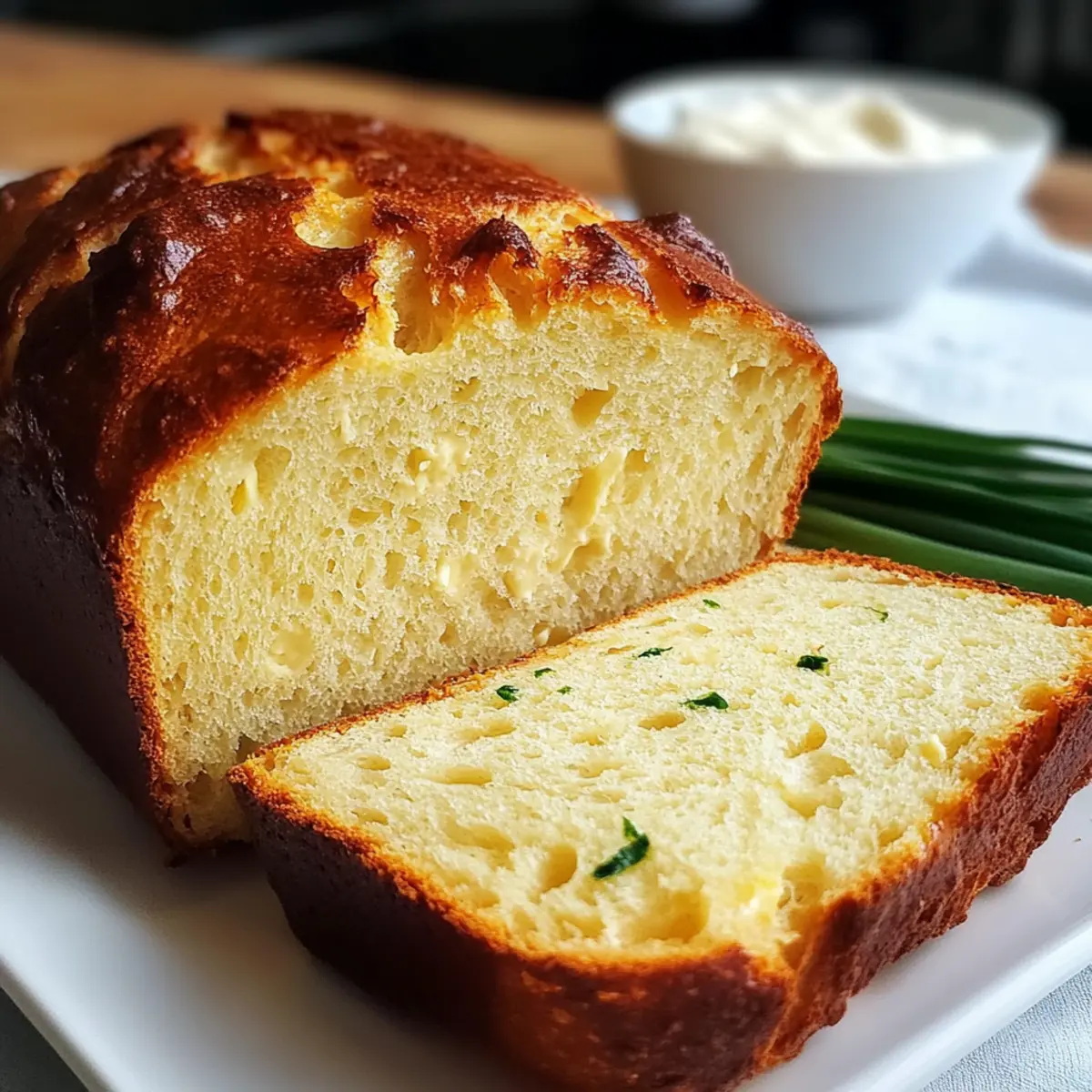
Why is Cottage Cheese Bread a Must-Try?
Nutritious Delight: This Cottage Cheese Bread is not just tasty but incredibly high in protein, making it a smart choice for health-conscious foodies.
Effortless Baking: Enjoy the simplicity of two main ingredients that merge seamlessly, saving you time and effort in the kitchen.
Customizable Flavors: Elevate your loaf by adding your favorite herbs or spices—consider trying a dash of garlic powder or fresh chives for an extra kick!
Healthy Alternative: Swapping out regular bread for this low-carb option helps you maintain your wellness goals without sacrificing flavor.
Perfect for Any Meal: Great for breakfast toast, sandwiches, or a warm snack—this bread fits beautifully into any part of your day!
For those looking for similar scrumptious options, you might also enjoy making Cheesy Garlic Bread as a side or a fun twist on the classic Jello Salad Cottage.
Cottage Cheese Bread Ingredients
• With just a few simple ingredients, you can whip up this delightful loaf!
For the Batter
- Cottage Cheese – Provides the base structure and high protein content; use full-fat, low-sodium for best results.
- Eggs – Acts as a binding agent and contributes extra protein; can substitute with egg whites (2 egg whites = 1 whole egg).
- Oat Flour (or Almond Flour) – Gives the bread structure while keeping it lower in carbohydrates; almond flour offers a gluten-free option.
- Baking Powder – Adds lift for a lighter, airier texture; ensure it's fresh for optimal results.
- Salt – Enhances flavor; consider using less if your cottage cheese is already high in sodium.
- Olive Oil (or Melted Butter) – Adds moisture and flavor; can be omitted for a lower-fat version.
Optional Flavor Additions
- Garlic Powder – For an aromatic touch, perfect for savory variations.
- Italian Seasoning – Adds a wonderful blend of herbs that complements the bread beautifully.
- Fresh Herbs (e.g., Chives) – Enhance freshness and flavor; a delightful customization option.
This Cottage Cheese Bread is a nutritious and delicious way to enjoy homemade goodness!
Step‑by‑Step Instructions for Easy 2-Ingredient Cottage Cheese Bread
Step 1: Preheat Oven
Begin by preheating your oven to 350°F (175°C). While the oven heats, prepare a loaf pan by lining it with parchment paper, ensuring that it covers the bottom and sides. This will make it easier to remove the bread once baked, giving you a beautiful loaf of Cottage Cheese Bread to enjoy.
Step 2: Blend Base
In a food processor, add the cottage cheese and blend it until perfectly smooth. Then, incorporate the eggs and olive oil, blending until these ingredients are completely combined and creamy. This smooth mixture serves as the foundation of your Cottage Cheese Bread, so take your time to get it just right before moving on.
Step 3: Mix Dry Ingredients
With the base blended to perfection, it’s time to mix the dry ingredients. In the food processor, add the oat flour, baking powder, and salt, along with any optional seasonings you desire. Blend briefly until just mixed—the batter should be thick but pourable. Avoid overmixing here to keep your bread light and airy.
Step 4: Prepare for Baking
Next, pour the thick batter into your prepared loaf pan, smoothing the top with a spatula for an even finish. This step helps ensure that your Cottage Cheese Bread bakes up beautifully. Make sure to scrape down the sides of the food processor to get every bit of delicious mixture into the pan.
Step 5: Bake
Place the loaf pan in your preheated oven and bake for 40-50 minutes, or until the top of the bread is golden brown and a toothpick inserted into the center comes out clean. Start checking around the 30-minute mark; if the top is browning too quickly, cover it loosely with foil to prevent burning.
Step 6: Cool
Once your Cottage Cheese Bread has finished baking, remove it from the oven and allow it to cool in the pan for about 10 minutes. After cooling, carefully transfer the bread to a wire rack to cool completely before slicing. This essential step helps maintain the structure of the bread, preventing it from crumbling when you cut into it.
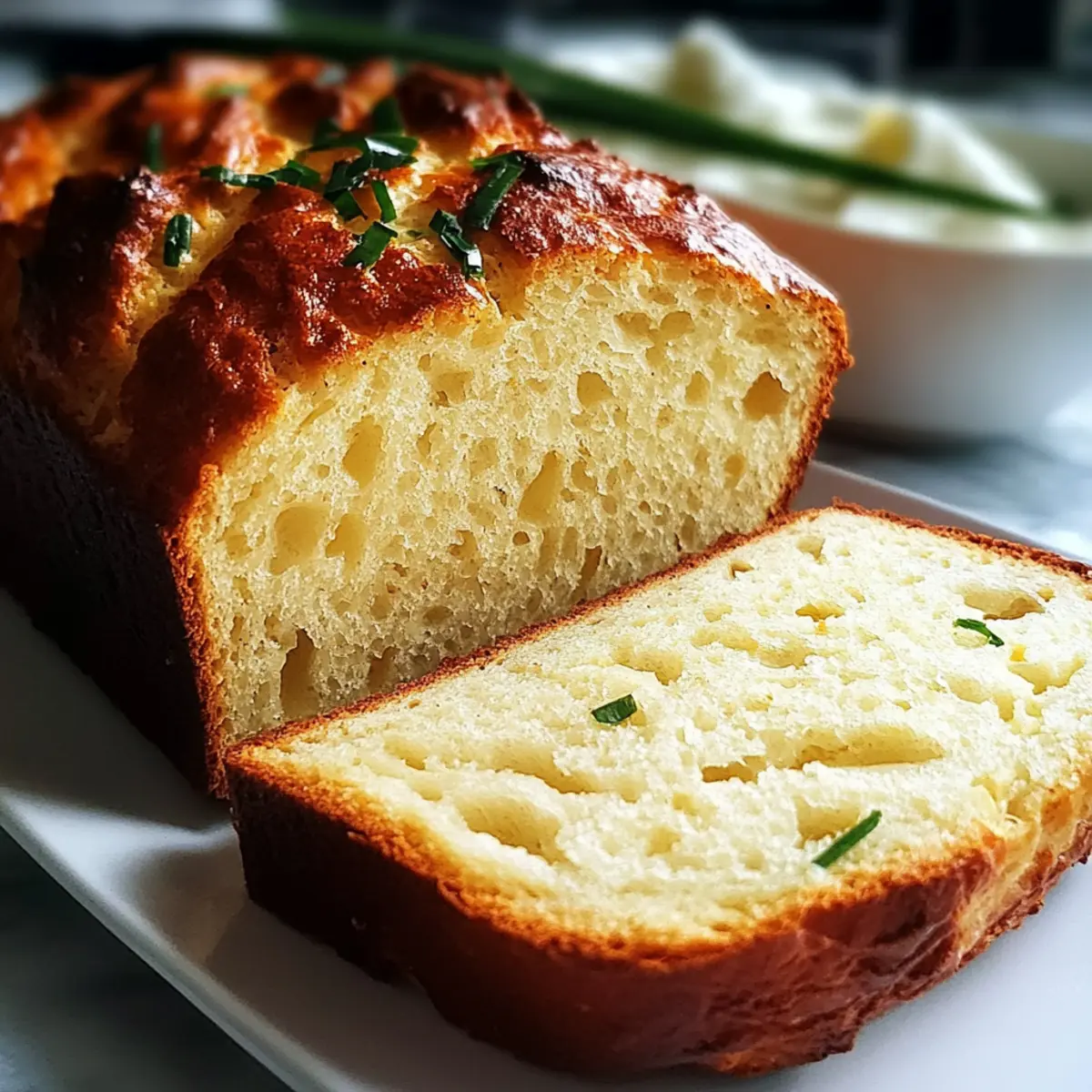
How to Store and Freeze Cottage Cheese Bread
Fridge: Store your Cottage Cheese Bread in an airtight container for up to 3-5 days. This keeps it fresh and moist, perfect for daily toast or sandwiches.
Freezer: For longer storage, wrap individual slices in plastic wrap and place them in a freezer bag. They can be frozen for up to a month, making it easy to enjoy whenever you crave a slice.
Reheating: To reheat, pop a slice in the oven at 350°F (175°C) for about 10 minutes, or use a toaster or air fryer until warmed through and crispy on the outside.
Thawing: If frozen, let the slices thaw in the fridge overnight before reheating. This will help maintain the texture and flavor of your Cottage Cheese Bread.
Make Ahead Options
These Easy 2-Ingredient Cottage Cheese Bread loaves are perfect for busy home cooks looking to streamline meal prep! You can mix the batter and store it in the refrigerator up to 24 hours in advance, ensuring you have a quick, high-protein option ready to bake. To maintain quality, avoid adding optional seasonings until you're ready to bake, as they can alter the texture if left too long. When you're ready to enjoy your Cottage Cheese Bread, simply pour the batter into the prepared loaf pan and bake as directed. This means less kitchen time during hectic mornings while still delivering a delicious, homemade bread experience!
Cottage Cheese Bread Variations & Substitutions
Feel free to mix things up and craft your own unique version of this delightful bread! The potential for personalization is just waiting to be explored.
-
Dairy-Free: Substitute cottage cheese with a plant-based alternative like almond yogurt for a completely dairy-free option.
-
Gluten-Free: Use almond flour or a gluten-free baking blend instead of oat flour to keep this loaf gluten-free while maintaining its lovely texture.
-
Flavor Boost: Add Italian seasoning or fresh herbs like parsley or thyme for a fragrant twist that makes each bite a burst of flavor.
-
Sweet Twist: Mix in some crushed blueberries or a dash of cinnamon for a sweet variation, perfect for breakfast or a snack!
-
Savory Spin: Try incorporating chopped olives or sun-dried tomatoes for a Mediterranean flair that will elevate your sandwiches.
-
Spicy Kick: Mix in a pinch of red pepper flakes or a dash of hot sauce for a bread that packs some serious heat.
-
Nutty Texture: For added crunch, fold in some chopped nuts or seeds before baking; they bring a delightful bite and extra nutrients.
-
Protein Power: Boost the protein even more by adding a scoop of your favorite protein powder to the batter.
Want more inspiration? Pair your Cottage Cheese Bread with a side of Cornbread Breakfast Casserole for a hearty meal or enjoy a colorful side of Jello Salad Cottage for a fun touch!
What to Serve with Easy 2-Ingredient Cottage Cheese Bread
There's nothing quite like the anticipation of a homemade meal, especially when complemented by delightful pairings that truly shine.
- Creamy Avocado Spread: A luscious, buttery avocado spread elevates the bread's flavors and adds a creamy texture to your bites.
- Scrambled Eggs: Fluffy, seasoned eggs provide a hearty protein boost, making your breakfast truly satisfying when layered atop a slice.
- Fresh Salad: A bright, crisp salad with mixed greens and cherry tomatoes brings a refreshing contrast, balancing the savory bread perfectly.
- Savory Soup: Pair your cottage cheese bread with a warm bowl of tomato or vegetable soup; the bread's texture is perfect for dipping!
- Greek Yogurt with Honey: A sweet, tangy dollop of yogurt topped with honey creates a delightful contrast, making it an excellent breakfast or snack.
- Herbed Butter: Spread on warm slices, this enhanced butter adds a rich, aromatic layer that transforms each mouthful into pure bliss.
Together, these pairings create a meal that celebrates the comforting essence of homemade goodness while adding vibrant flavors and textures to your table.
Expert Tips for Cottage Cheese Bread
-
Smooth Mixture: Blend cottage cheese until very smooth to ensure a fluffy texture; lumps can make the bread denser.
-
Watch the Oven: Make sure your oven is preheated to 350°F (175°C); under-baking or over-baking can alter the final result of your Cottage Cheese Bread.
-
Cool Completely: Allow the bread to cool completely in the pan for optimal slicing; cutting while warm may lead to a crumbly loaf.
-
Adjust for Moisture: If your loaf seems too wet after baking, try extending the baking time by an additional 5-10 minutes for a better texture.
-
Mix Quickly: When blending dry ingredients, do it briefly; overmixing can result in a dense finished product instead of the desired lightness.
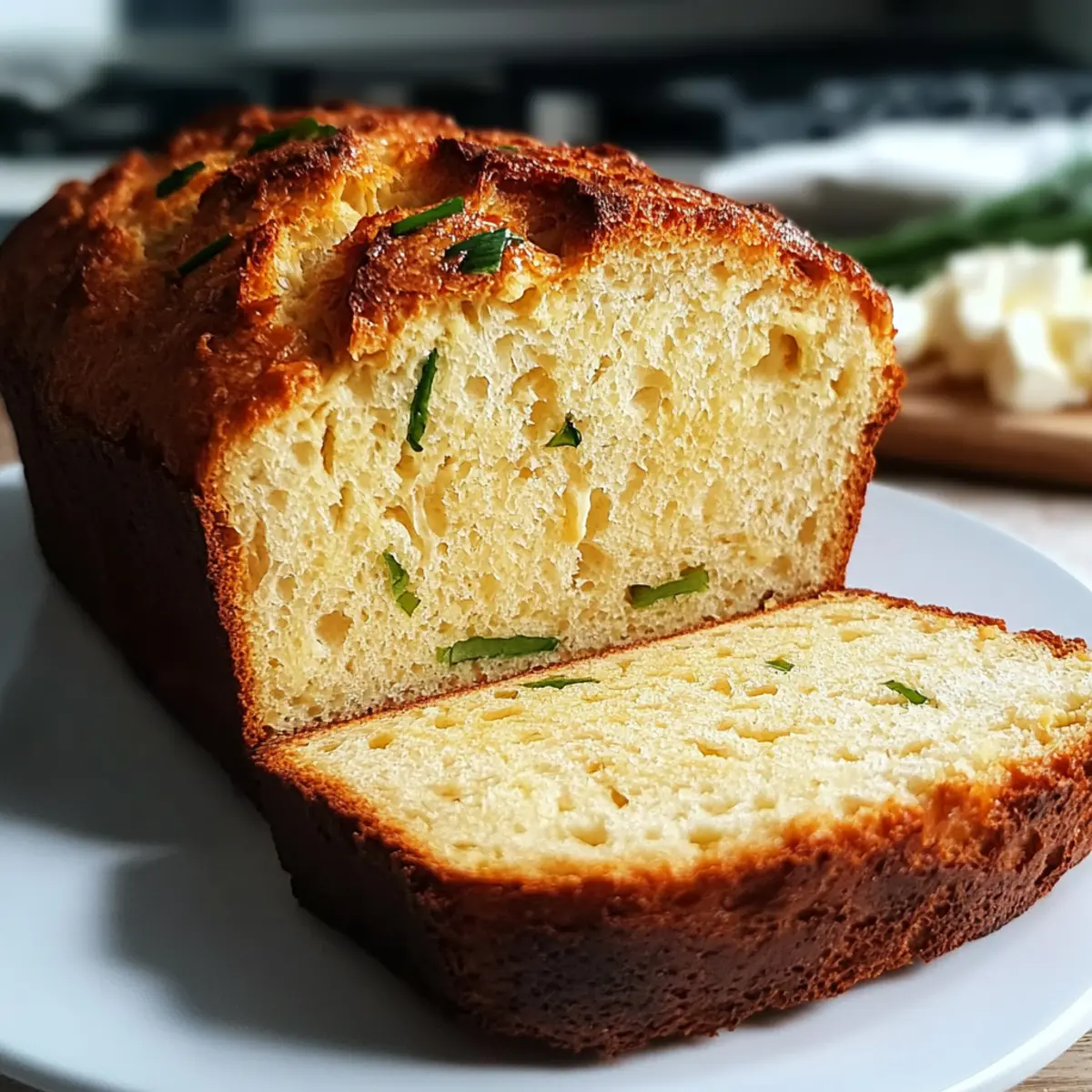
Cottage Cheese Bread Recipe FAQs
What kind of cottage cheese should I use for the bread?
Absolutely! I recommend using full-fat, low-sodium cottage cheese for the best flavor and texture. The richness of full-fat adds moisture, while low-sodium helps control the overall saltiness of the bread.
How should I store leftover Cottage Cheese Bread?
Store your Cottage Cheese Bread in an airtight container in the refrigerator for up to 3-5 days. Wrapping it properly helps maintain its moisture, giving you delightful slices for toasting or sandwiches throughout the week.
Can I freeze Cottage Cheese Bread?
Very much! To freeze, slice the bread and wrap each piece individually in plastic wrap or aluminum foil. Place the wrapped slices in a freezer bag, and they can be stored for up to 3 months. When you're ready, you can reheat them straight from the freezer in an oven preheated to 350°F (175°C) for about 10 minutes or until warmed through and crispy.
What if my Cottage Cheese Bread is too dense or crumbly?
If your bread turns out too dense, it may be due to not blending the cottage cheese smooth enough or overmixing the batter. To troubleshoot, ensure a very smooth base before adding dry ingredients, and mix just until combined. If it's crumbling after baking, allowing it to cool completely before slicing will help it hold its shape better.
Is this recipe suitable for people with dietary restrictions?
Absolutely! This Cottage Cheese Bread can easily cater to various dietary needs. For a gluten-free version, substitute oat flour with almond flour. Also, those with egg allergies might use flax eggs as a 1:1 substitute (1 tablespoon of flaxseed meal + 2.5 tablespoons water per egg); however, the protein content may vary slightly.
Can I add different flavors to the Cottage Cheese Bread?
Yes! This bread is incredibly customizable. You can try adding garlic powder, Italian seasoning, or fresh herbs like chives for a savory touch. For a sweet version, consider mixing in cinnamon or crushed blueberries. The more the merrier when it comes to experimenting with flavors!
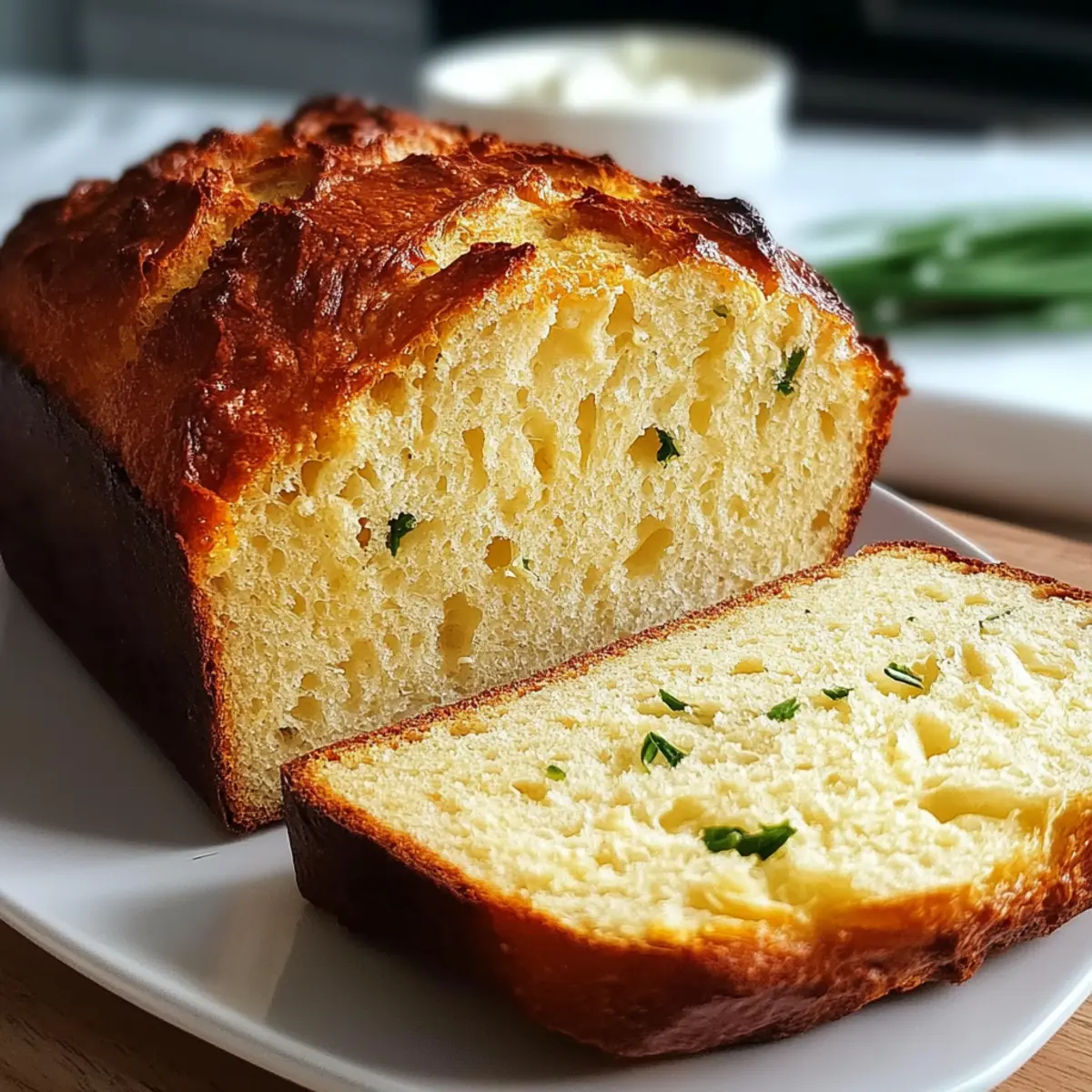
Cottage Cheese Bread: Moist High-Protein Delight for Toasting
Ingredients
Equipment
Method
- Preheat your oven to 350°F (175°C) and prepare a loaf pan with parchment paper.
- Blend the cottage cheese until smooth, then add eggs and olive oil, blending until creamy.
- Mix in the oat flour, baking powder, salt, and optional seasonings until thick but pourable.
- Pour the batter into the loaf pan, smoothing the top with a spatula.
- Bake for 40-50 minutes until golden brown and a toothpick comes out clean; check at 30 minutes.
- Allow to cool in the pan for 10 minutes, then transfer to a wire rack to cool completely.



Leave a Reply