
The aroma of freshly baked bread wafts through my kitchen, transporting me to the bustling streets of Istanbul. There's something incredibly satisfying about making No-Knead Turkish Bread right at home. In just a little over an hour, you can whip up this fluffy flatbread that's perfect for both dipping and wrapping. With a prep time of only 15 minutes, this recipe is a true game-changer for those chaotic weeknights or spontaneous gatherings. Imagine pulling hot, golden-brown bread from the skillet, ready to complement savory dishes like spicy kebabs or creamy dips. Plus, it’s versatile enough to adapt to your family's favorite flavors or toppings! Curious how this seemingly simple recipe can elevate your meal? Let's dive into it!
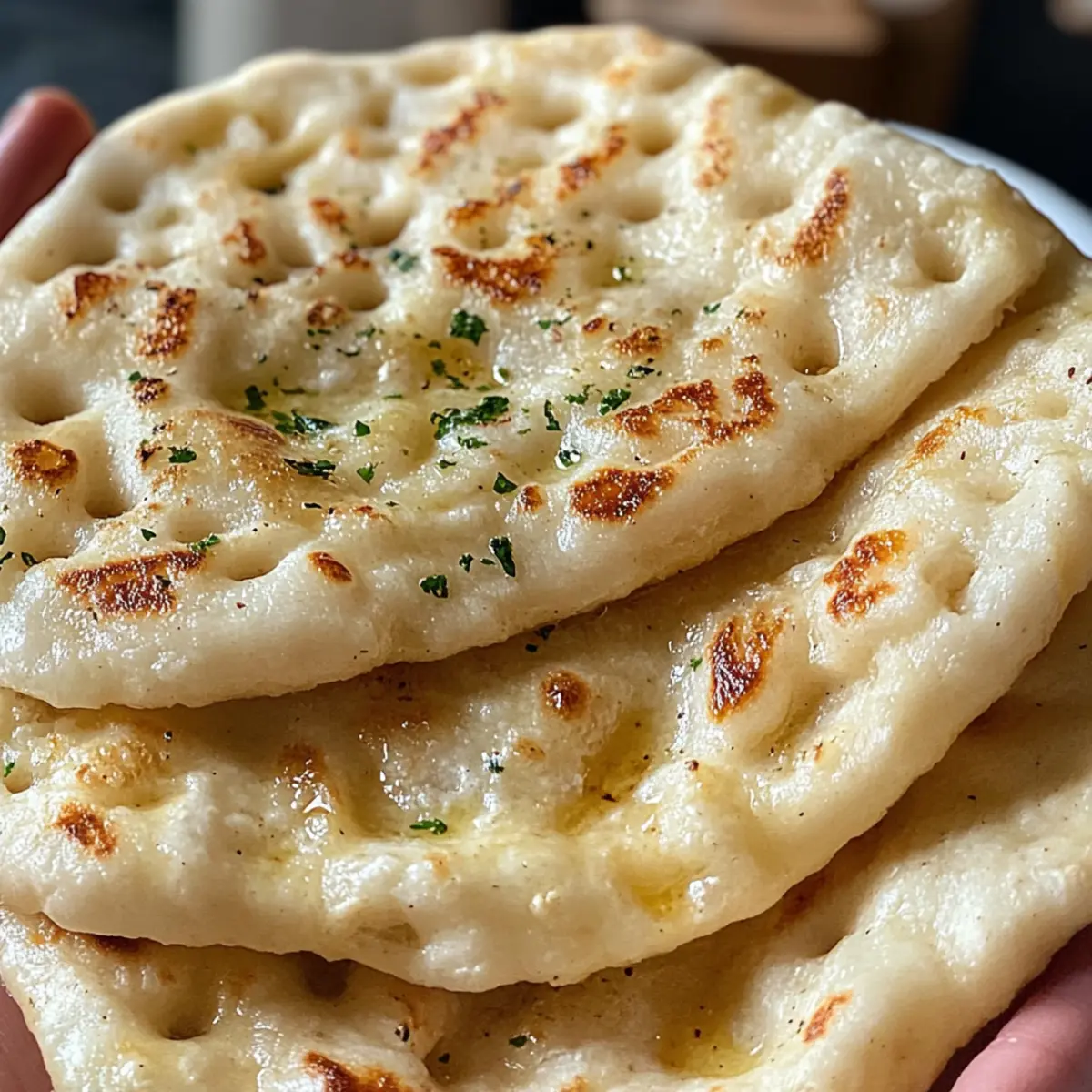
Why is No-Knead Turkish Bread a must-try?
Simplicity at its Best: With just 15 minutes of prep, this flatbread recipe doesn’t require any kneading, making it perfect for busy weeknights.
Versatile Canvas: Use it for wrapping around grilled meats or serving with dips like hummus or tzatziki. It pairs beautifully with dishes such as Cheesy Garlic Bread.
Crowd-Pleaser: Its warm, fluffy texture is a hit at any gathering, delighting family and friends alike.
Easy Flavor Variations: Customize the flavor by incorporating herbs or spices, creating unique versions for everyone to enjoy!
Healthy Comfort: This flatbread is a nutritious alternative to store-bought options, providing fresh flavors made right at home.
Get ready to impress with this delicious, easy, and adaptable No-Knead Turkish Bread!
No-Knead Turkish Bread Ingredients
-
For the Dough
-
Bread Flour or All-Purpose Flour – Provides structure and chewiness; for gluten-free bread, substitute with a gluten-free flour blend.
-
Warm Milk – Adds richness and helps activate yeast; dairy-free milk can be used for a lactose-free option.
-
Warm Water – Hydrates the dough; ensure it’s warm, not too hot, to avoid killing the yeast.
-
Instant Dry Yeast – Acts as a leavening agent for airy bread; you can substitute with active dry yeast (just activate in warm water first).
-
Sugar – Feeds the yeast for rising and adds slight sweetness; can be reduced or replaced with honey if desired.
-
Salt – Enhances flavor and strengthens gluten; adjust based on dietary sodium needs.
-
Melted Unsalted Butter or Olive Oil (optional) – Adds flavor and moisture; use coconut oil for a dairy-free version.
-
Chopped Parsley (optional) – Enhances aesthetics and flavor; omit for a simpler version.
-
For Serving
-
Savory Fillings or Dips – Pair it with chicken shawarma, hummus, or your favorite curry for a delightful meal.
This No-Knead Turkish Bread is not only simple to make but also perfect for wrapping or dipping!
Step‑by‑Step Instructions for No-Knead Turkish Bread
Step 1: Activate the Yeast
In a mixing bowl, combine 1 cup of warm milk, 1/2 cup of warm water, and 1 tablespoon of sugar. Sprinkle 1 packet of instant dry yeast over the liquid and stir gently. Allow the mixture to sit for about 5–10 minutes until it becomes frothy and bubbly, indicating that the yeast is activated and ready to work its magic in your No-Knead Turkish Bread.
Step 2: Mix the Dry Ingredients
Once the yeast is activated, gradually add 3 cups of bread flour and 1 teaspoon of salt to the yeast mixture. Use a wooden spoon or spatula to stir until the flour is fully incorporated, forming a rough and sticky dough. Make sure not to overmix; you just want everything to come together for the perfect texture in your No-Knead Turkish Bread.
Step 3: Let the Dough Rise
Cover the mixing bowl with a clean kitchen towel or plastic wrap and place it in a warm, draft-free area for about 1 hour. During this time, the dough will rise and double in size. Keep an eye on it, as you want to see a fluffy and puffy dough ready for shaping into beautiful flatbreads.
Step 4: Portion the Dough
After the dough has risen, turn it out onto a lightly floured surface. Divide it into 6 equal pieces, shaping each piece into a round ball. Cover the dough balls with a plastic bag or a damp towel to prevent them from drying out while you prepare to roll them out into flatbreads.
Step 5: Roll Out the Dough
Take one dough ball and flatten it slightly with your fingers. Using a rolling pin, gently roll it out into a circle measuring about 18 cm in diameter and 5 mm thick. Repeat this process with the remaining dough balls, ensuring they are evenly rolled to achieve uniform cook times for your delightful No-Knead Turkish Bread.
Step 6: Preheat the Pan
Heat a non-stick frying pan over medium heat for about 2–3 minutes until it is nicely warmed up. If you want the best results, ensure the pan is sufficiently hot before adding the rolled-out flatbread, which will help it puff up beautifully during cooking.
Step 7: Cook the Flatbreads
Place the rolled flatbread into the hot pan. Cook for about 2–3 minutes until you see bubbles forming on the surface and the underside turns a lovely golden brown. Flip the flatbread and cook the other side for an additional 2–3 minutes, ensuring it puffs up and achieves that perfect flaky texture you expect from No-Knead Turkish Bread.
Step 8: Keep Warm and Serve
As you finish cooking each flatbread, stack them on a plate and cover them with a clean kitchen towel to keep warm and moist. This prevents them from drying out, allowing you to serve soft, fluffy No-Knead Turkish Bread ready for dipping or wrapping around your favorite fillings or savory dips.
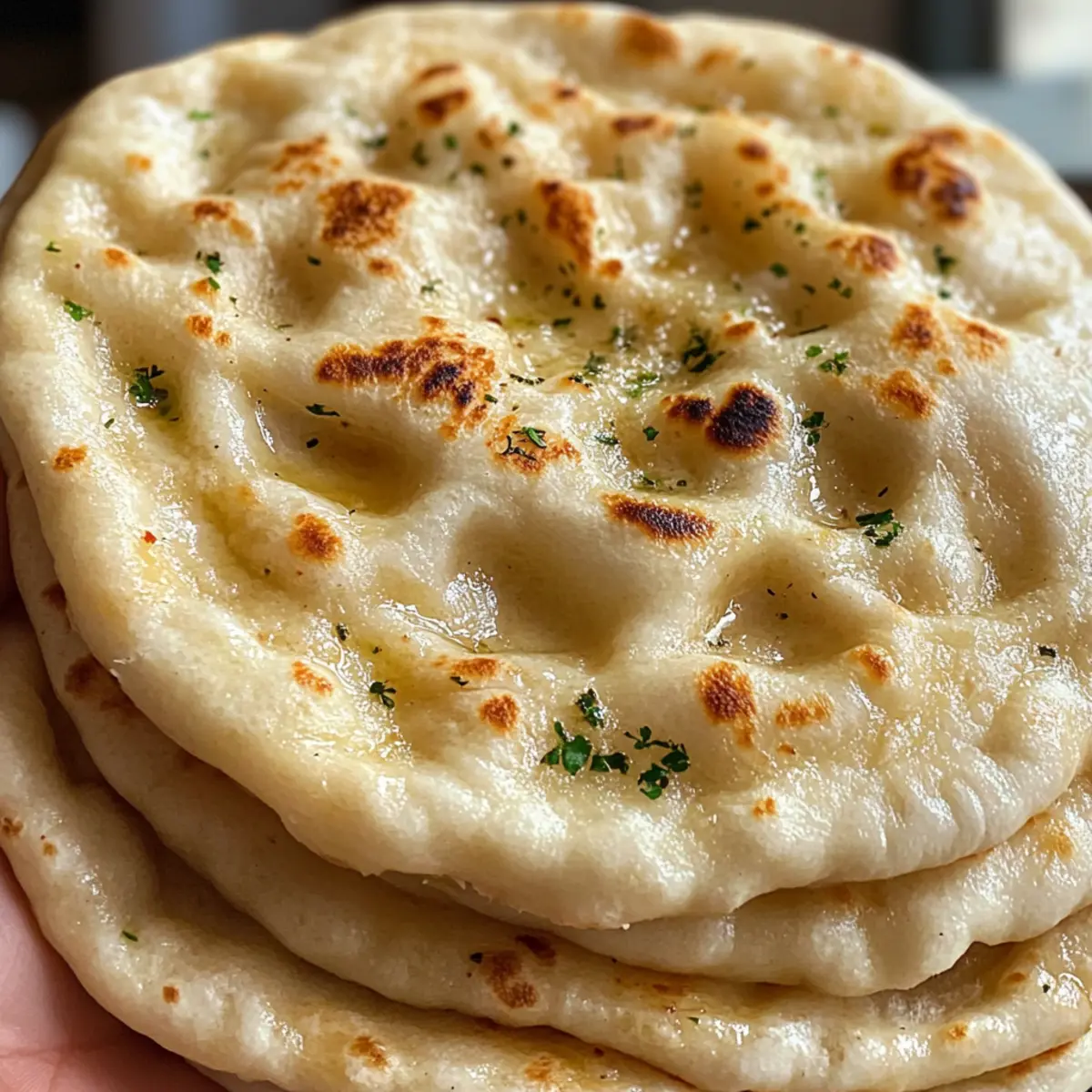
Storage Tips for No-Knead Turkish Bread
- Room Temperature: Keep any leftover flatbreads at room temperature for up to 1 day, wrapped in a clean kitchen towel to maintain softness.
- Fridge: Store in a zip-lock bag in the refrigerator for up to 3 days. This will preserve freshness, but may slightly alter the texture.
- Freezer: For longer storage, freeze the flatbreads in a zip-lock bag for up to 2 months. Separate each one with parchment paper to prevent sticking.
- Reheating: To enjoy your flatbreads again, reheat in a skillet for 1-2 minutes on each side, or warm them in the oven at 350°F (175°C) for about 5-7 minutes until heated through.
Expert Tips for No-Knead Turkish Bread
-
Correct Yeast Temperature: Make sure your warm milk and water are just warm, not hot. Hot liquids can kill the yeast, preventing your bread from rising.
-
Flour Variations: If using a gluten-free flour blend, ensure it’s suitable for bread making. These blends often have different absorption rates, so adjustments may be needed.
-
Avoid Over-Handling: No-knead dough should be rough and sticky. Mixing just until combined helps create a fluffy texture without the dense chewiness.
-
Heat Management: Preheat your pan on medium heat. If it’s too hot, the bread may burn before fully cooking; too low, and it won’t puff up properly.
-
Covering the Bread: Keep the cooked flatbreads covered with a towel to maintain warmth and moisture. This prevents drying out and ensures a soft texture, making your No-Knead Turkish Bread irresistible!
What to Serve with Easy Turkish Flatbread?
Transform your meal into a memorable feast by pairing this versatile flatbread with flavorful dishes and refreshing sides.
- Chicken Shawarma: Juicy, spiced chicken wrapped in this flatbread creates an explosion of flavors that will satisfy every bite.
- Creamy Hummus: The rich, velvety texture of hummus complements the airy flatbread beautifully, perfect for dipping and soaking.
- Tzatziki Sauce: A cool, refreshing yogurt-based dip that balances the warm spices of the flatbread, ideal for a summer gathering.
- Curry Dishes: Serve alongside your favorite curry; the soft bread soaks up the sauce, enhancing every mouthful of warmth and spice.
- Roasted Vegetables: A colorful medley of roasted seasonal vegetables brings a lovely crunch and vibrant flavors to your meal.
- Greek Salad: Crisp cucumbers, tomatoes, and feta add a refreshing bite, making each slice of flatbread more delightful.
- Spicy Falafel: Pairing with crispy falafel provides a satisfying crunch, creating a delicious vegetarian option everyone will love.
- Grilled Halloumi: The salty, golden-brown cheese makes an excellent filling, adding a rich flavor that perfectly suits your flatbread.
- Chilled White Wine: A light, crisp wine enhances the meal, refreshing your palate between bites and complementing the dish’s savory flavors.
No-Knead Turkish Bread Variations
Feel free to get creative with your No-Knead Turkish Bread to suit your taste buds!
-
Gluten-Free: Use a gluten-free flour blend to make this recipe accessible for those avoiding gluten. Your bread will still be soft and delicious, perfect for pairing with various dips!
-
Spicy Twist: Add a pinch of cayenne pepper or chili flakes to the dough for a delightful kick. This spicy variation pairs wonderfully with cooling dips like tzatziki.
-
Herb-Infused: Mix in fresh or dried herbs such as rosemary or thyme before rolling out the dough. The aromatic flavors will transform your flatbread into a delectable side dish.
-
Cheesy Delight: Sprinkle grated cheese on one side of the flatbread before cooking. As it melts, you'll enjoy a cheesy twist that’s irresistible and pairs beautifully with savory bites.
-
Sweet Option: Transform the flatbread into a sweet treat by adding cinnamon and sugar to the dough. Serve it warm with honey or a drizzle of maple syrup for a fantastic dessert.
-
Multigrain Texture: Swap some of the bread flour for whole wheat or other preferred flour to enhance the nutty flavor and texture. This variation boosts the health factor while keeping it delectable!
-
Garlic Lover’s Choice: Brush the flatbread with a garlic-infused oil before cooking. This adds a fragrant garlicky flavor that's perfect for dipping in hummus or serving alongside pasta dishes.
Keep in mind, if you ever want to explore more delicious recipes, such as Cornbread Breakfast Casserole, or enjoy the comforting flavors of Cheesy Garlic Bread, these variations will lend your kitchen adventures a delightful twist!
Make Ahead Options
These No-Knead Turkish Bread are perfect for meal prep enthusiasts! You can prepare the dough up to 24 hours in advance by following the initial steps through the rising process. Once the dough has doubled in size, cover it tightly with plastic wrap and refrigerate it. Before cooking, allow the dough to come to room temperature for about 30 minutes. You can also roll out the flatbreads and keep them stacked between parchment paper in the refrigerator for up to 3 days. When ready to serve, simply heat your non-stick pan and cook each flatbread as instructed, delivering that just-made, fluffy goodness to your table with minimal effort!
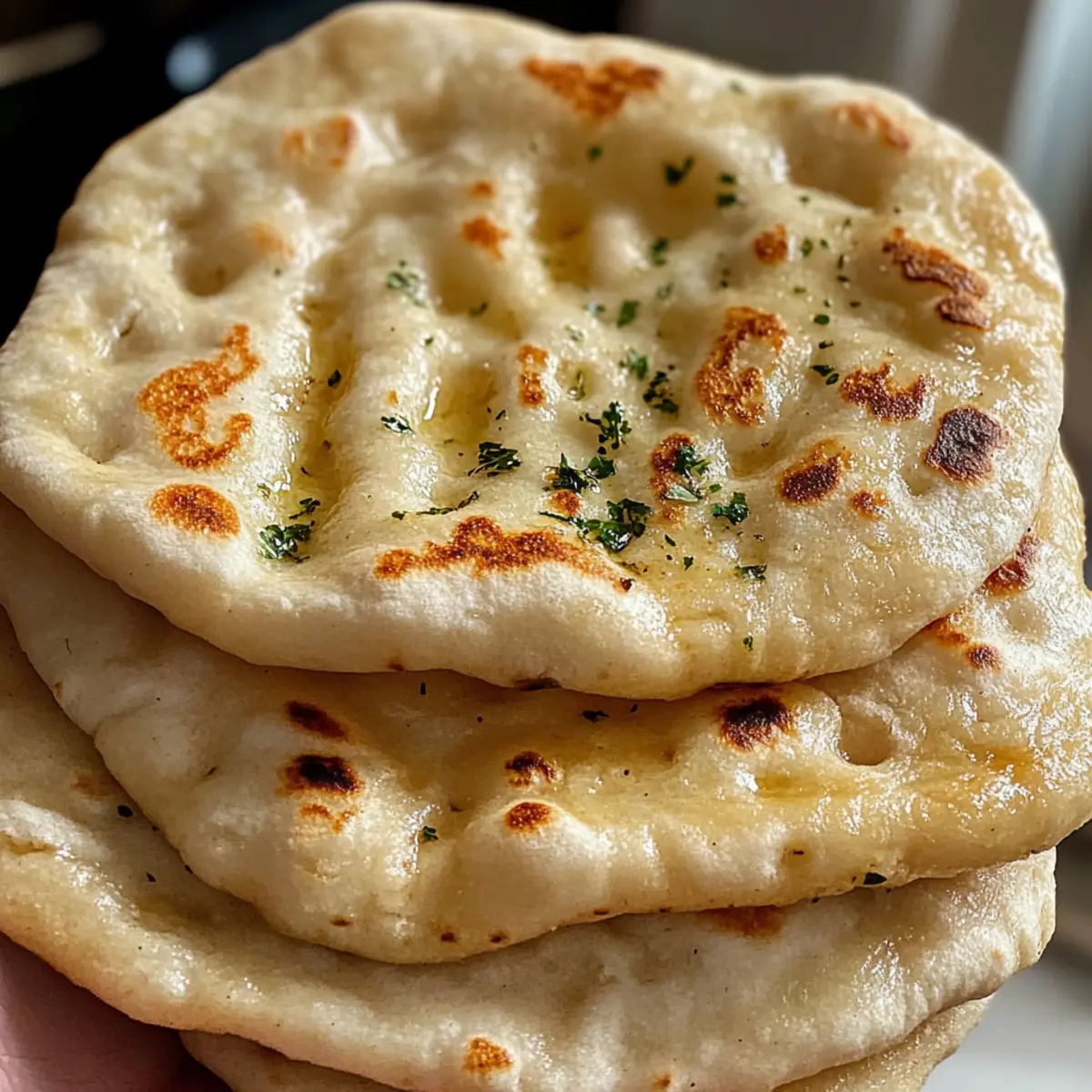
No-Knead Turkish Bread Recipe FAQs
How do I select the right flour for No-Knead Turkish Bread?
Absolutely! For the best results, I recommend using bread flour or all-purpose flour. Bread flour provides more structure and chewiness for the flatbread, while all-purpose flour can yield a softer texture. If you need a gluten-free option, choose a gluten-free flour blend specifically designed for bread making. Just keep in mind that different blends may have varying absorption rates.
How should I store leftover No-Knead Turkish Bread?
Leftover flatbreads can be stored at room temperature for up to 1 day, wrapped in a clean kitchen towel to maintain softness. For longer storage, place them in a zip-lock bag in the refrigerator for up to 3 days. This helps preserve freshness, although the texture might change slightly. If you're looking to store them for even longer, freeze the flatbreads in a zip-lock bag for up to 2 months, separating them with parchment paper to prevent sticking.
Can I freeze No-Knead Turkish Bread? How?
Definitely! Freezing your flatbreads is a great way to enjoy them later. Once they have cooled completely, stack the flatbreads with a piece of parchment paper between each one to prevent sticking. Place them in a zip-lock bag and remove as much air as possible before sealing. You can freeze them for up to 2 months. To reheat, simply warm them on a skillet for 1-2 minutes on each side or in the oven at 350°F (175°C) for about 5-7 minutes until heated through.
What should I do if my No-Knead Turkish Bread doesn't puff up while cooking?
Very well! If your flatbreads are not puffing up, it could be due to insufficient heat. Ensure your pan is preheated adequately before adding the rolled dough; it should be medium-hot, not too low. Additionally, check that the yeast was activated properly (the mixture should be bubbly) and that the dough wasn't over-handled. Keeping the cooked bread covered with a towel will also help retain moisture, allowing the flatbreads to stay soft and puffy.
Is there a dairy-free option for this recipe?
Absolutely! You can easily adapt the No-Knead Turkish Bread recipe to be dairy-free by using plant-based milk, like almond or soy milk, in place of warm milk. Also, substitute melted unsalted butter with olive oil or coconut oil. These adjustments will keep the flavor delicious while accommodating dietary preferences!
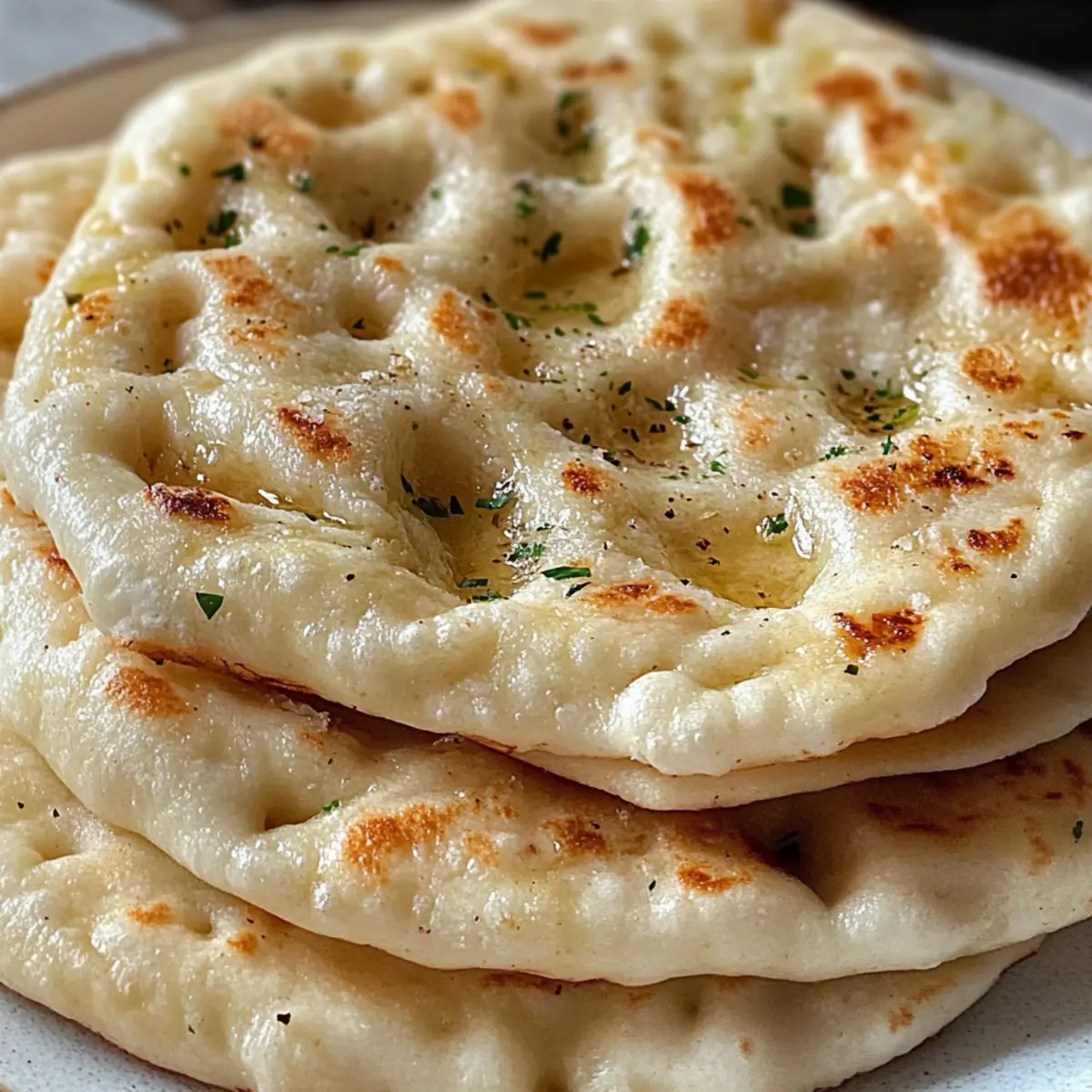
No-Knead Turkish Bread: Soft, Fluffy, and So Easy to Make!
Ingredients
Equipment
Method
- In a mixing bowl, combine warm milk, warm water, and sugar. Sprinkle instant dry yeast over the liquid and stir gently. Let sit for 5–10 minutes until frothy.
- Gradually add bread flour and salt to the yeast mixture. Stir until fully incorporated, forming a rough, sticky dough.
- Cover the bowl with a towel and let it rise in a warm place for about 1 hour until doubled in size.
- Turn the dough onto a floured surface and divide it into 6 equal pieces. Shape each into a round ball and cover.
- Flatten one dough ball slightly, then roll it out into an 18 cm circle and 5 mm thick. Repeat with remaining balls.
- Heat a non-stick frying pan over medium heat for 2–3 minutes. Cook each flatbread for 2–3 minutes per side until golden brown and puffed.
- Stack cooked flatbreads on a plate, cover with a towel to keep them warm and moist.
Leave a Reply