
As I stirred the pan, the vibrant aroma of garlic and shallots filled my kitchen, transporting me to a bustling street market in Seoul. This is how my journey to creating the ultimate Creamy Gochujang Udon Noodles began, combining comfort food with a spicy kick for an Asian-inspired dish that's ready in just 20 minutes. These noodles are a fantastic way to swap out fast food for something that warms the heart and excites the palate. You’ll love how easily these comforting noodles come together, transforming busy weeknights into moments of culinary delight. So, are you ready to indulge in a bowl of deliciousness that’s packed with bold flavors?
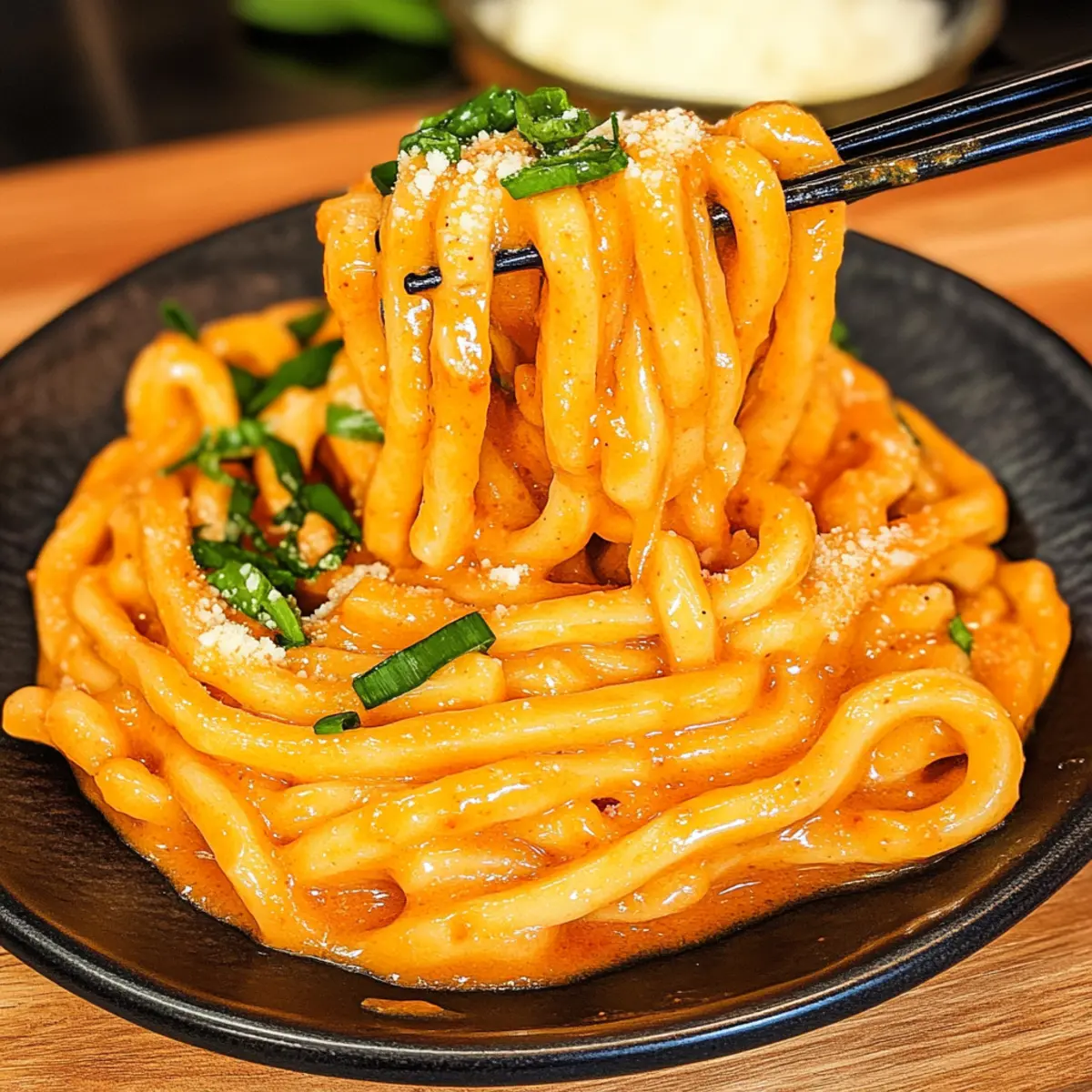
Why are these noodles a must-try?
Speedy Preparation: This dish comes together in just 20 minutes, making it a perfect weeknight meal or last-minute dinner solution.
Bold Flavor Fusion: The combination of gochujang and creamy sauce delivers a unique flavor profile that tantalizes your taste buds, setting it apart from traditional pasta.
Versatile Options: Feel free to customize your bowl with vibrant vegetables or proteins like chicken or tofu, ensuring a nutritious and satisfying meal every time.
Comforting Appeal: Each bite of these creamy udon noodles exudes warmth, offering the perfect antidote to a long day or a quick indulgence.
Crowd-Pleasing Goodness: Whether for family dinners or entertaining friends, these noodles are sure to be a hit — just like my Gochujang Sesame Noodles or Chicken Teriyaki Noodles.
Creamy Gochujang Udon Noodles Ingredients
• Get ready to spice up your life with these delightful noodles!
For the Sauce
- Gochujang – A Korean chili paste that adds essential spice and complexity; use less for milder heat.
- Butter – Provides richness; substitute with olive oil for a lighter version if desired.
- Minced Garlic – Offers aromatic flavor; use fresh for the best results.
- Chopped Shallots – Adds a touch of sweetness; yellow onion can work as a substitute.
- Heavy Cream – Creates a luscious texture; coconut cream makes a great dairy-free alternative.
- Soy Sauce – Introduces umami flavor; tamari is an excellent gluten-free option.
- Gochugaru – Korean red pepper flakes that elevate the heat; adjust based on your spice tolerance.
For the Noodles
- Frozen Udon Noodles – The star of this dish, providing a chewy texture; fresh udon or soba can be substituted for variety.
For the Topping
- Grated Parmesan Cheese – Adds a savory finish; nutritional yeast offers a vegan alternative.
- Chopped Green Onions – For a fresh, vibrant garnish; elevate your bowl aesthetically!
- Egg Yolk – Optional but enriches the dish; can be omitted for a lighter meal.
Enjoy crafting these Creamy Gochujang Udon Noodles that will warm your spirit and excite your taste buds!
Step‑by‑Step Instructions for Creamy Gochujang Udon Noodles
Step 1: Cook the Noodles
Begin by bringing a large pot of salted water to a boil. Add the frozen udon noodles and cook according to package instructions, typically 3-5 minutes, until they are tender yet chewy. Before draining, reserve 1/2 cup of the noodle water to help thicken the sauce later. Drain the noodles in a colander and rinse them briefly under cool water to prevent sticking.
Step 2: Sauté Aromatics
In a large skillet, melt 2 tablespoons of butter over medium heat. Once melted and bubbling, add 2-3 minced garlic cloves and 1 chopped shallot. Sauté for about 2-3 minutes until the mixture is fragrant and the shallots turn translucent. Keep an eye on the aromatics to prevent burning, as you want them golden and aromatic for the base of your Creamy Gochujang Udon Noodles.
Step 3: Build the Sauce
Stir in 2 tablespoons of gochujang and sauté for another 30 seconds to release its fragrant qualities. Then, slowly pour in 1 cup of heavy cream along with the reserved noodle water. Add 2 tablespoons of soy sauce and 1 tablespoon of gochugaru. Mix well and bring the mixture to a gentle simmer for about 3-4 minutes until the sauce has thickened slightly, creating a creamy, spicy base for your noodles.
Step 4: Combine
Once the sauce has thickened to your liking, add the cooked udon noodles directly into the skillet. Gently toss everything together, ensuring the noodles are evenly coated in the creamy gochujang sauce. If the sauce appears too thick, you can add a splash more of the reserved noodle water to achieve the desired creaminess.
Step 5: Serve
Transfer your Creamy Gochujang Udon Noodles into serving bowls. For an extra touch, sprinkle each bowl with grated Parmesan cheese, chopped green onions, and if desired, an egg yolk for added richness. Serve hot and enjoy the warm, comforting flavors of this delightful dish!
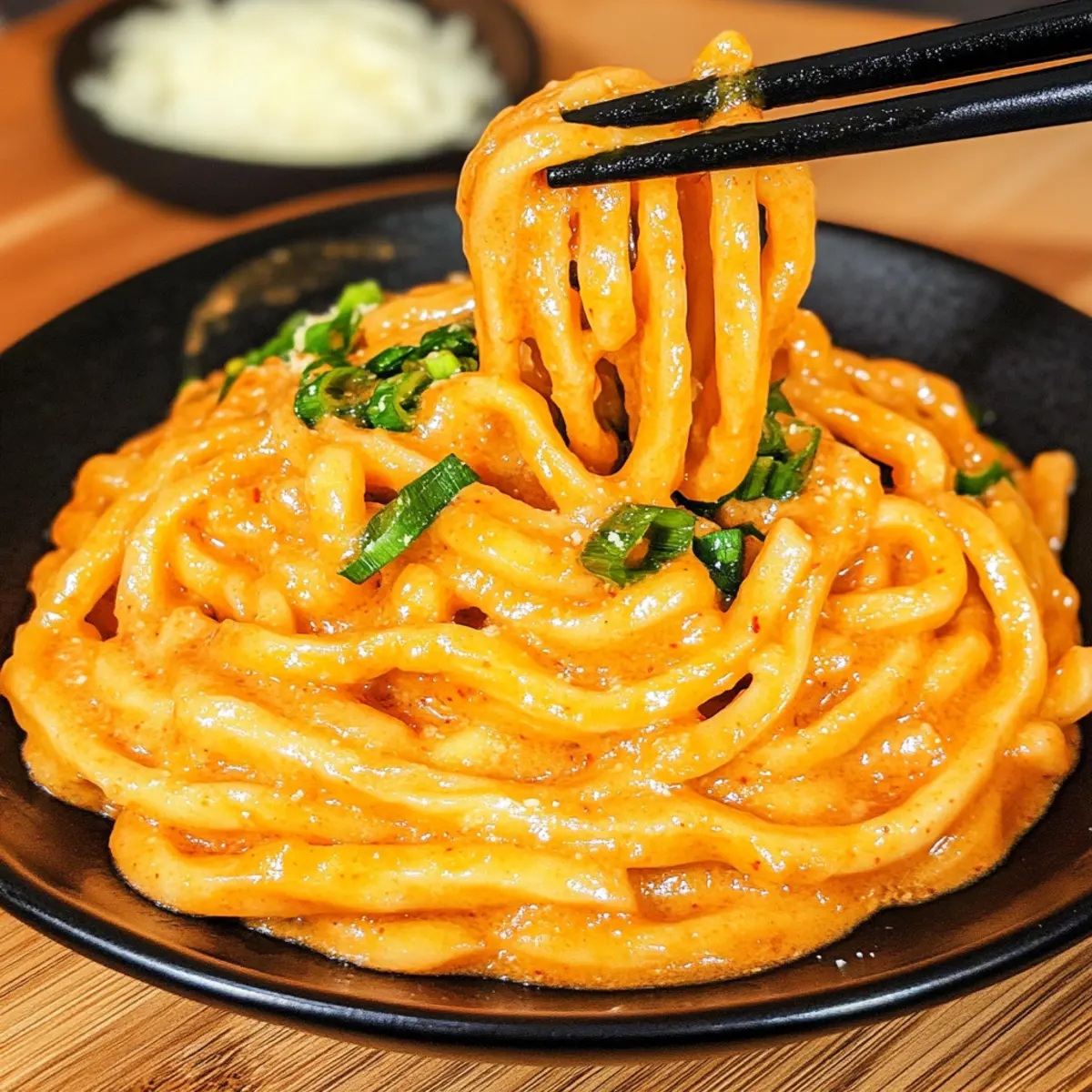
What to Serve with Creamy Gochujang Udon Noodles
Elevate your dining experience by complementing these flavorful noodles with delightful side dishes and pairings.
- Pickled Vegetables: A crisp contrast to the creamy noodles, pickled radishes or cucumbers add a refreshing crunch and tang.
- Steamed Broccoli: Lightly steamed broccoli brings vibrant color and a nutritious boost, balancing the dish's richness beautifully.
- Spicy Kimchi: The fermentation and spice of kimchi add another layer of flavor, perfect for those who love a bit of heat.
- Sesame Spinach Salad: Tossed with soy sauce and sesame oil, this salad offers fresh, earthy flavors that marry well with the noodles.
- Coconut Rice: The creamy, slightly sweet coconut rice helps temper the dish’s heat while adding a delightful texture.
- Miso Soup: A warm, soothing bowl of miso soup complements the spicy udon noodles, creating an inviting dining experience.
- Chilled Green Tea: This refreshing drink balances the noodles’ richness while providing a calming finish to your meal.
- Chocolate Mousse: End your culinary journey on a sweet note; this light and airy dessert will leave you satisfied and happy.
Storage Tips for Creamy Gochujang Udon Noodles
Fridge: Store any leftovers in an airtight container and refrigerate for up to 3 days to maintain freshness.
Freezer: For longer storage, you can freeze the Creamy Gochujang Udon Noodles in a freezer-safe container for up to 2 months.
Reheating: When ready to eat, reheat on the stove over medium-low heat, adding a splash of water or additional cream to restore creaminess and prevent sticking.
Make Ahead Options
These Creamy Gochujang Udon Noodles are perfect for meal prep enthusiasts! You can prepare the sauce up to 3 days in advance by cooking and combining the butter, garlic, shallots, gochujang, heavy cream, soy sauce, and gochugaru, then storing it in an airtight container in the refrigerator. To maintain quality, ensure it’s cooled completely before sealing. You can also cook the frozen udon noodles up to 24 hours ahead, refrigerating them after cooling to prevent sticking. When ready to enjoy, reheat the sauce in a skillet, add a splash of reserved noodle water for creaminess, toss in the cooked noodles, and serve with toppings for a comforting, quick meal that’s just as delicious as when freshly made!
Creamy Gochujang Udon Noodles Variations
Feel free to get creative and make this dish your own with exciting variations and substitutions!
-
Vegetable Boost: Add bell peppers, spinach, or peas for extra nutrition and vibrant color. Tossing in some crisp greens really brightens up the dish.
-
Protein-Packed: Incorporate chicken, shrimp, or tofu to enhance heartiness. This way, you can transform your noodles from a side dish into a satisfying main course.
-
Dairy-Free Delight: Substitute heavy cream with coconut cream for a lighter, dairy-free version that still retains richness. You'll find it adds a tropical flair to the creamy sauce.
-
Gluten-Free Option: Use tamari instead of soy sauce for a gluten-free alternative without sacrificing flavor. It's a little twist that ensures everyone can indulge.
-
Fresh Herb Lift: Top your noodles with fresh cilantro or basil for an aromatic finish that elevates both the flavor and presentation. It’s the kind of vibrant touch that makes your dish pop!
-
Milder Heat: Reduce the amount of gochujang and gochugaru for a milder version that’s still delicious. This is a great option for those who prefer a gentler spice kick.
-
Umami Swap: Replace Parmesan cheese with nutritional yeast for a vegan-friendly topping that still packs a savory punch. It’s a crowd-pleaser for both plant-based eaters and cheese lovers alike.
-
Cashew Cream Addition: Blend soaked cashews with water until smooth and stir it into the sauce for extra creaminess and a nutty flavor profile.
Each twist offers a unique take on your Creamy Gochujang Udon Noodles, making them a delightful treat for any occasion. Why not experiment with your personal favorites? For more spicy inspiration, check out my recipe for Pan Fried Shrimp with Cabbage Slaw and Gochujang Mayo, or try a sweet ending with my Cajeta Ice Cream.
Expert Tips for Creamy Gochujang Udon Noodles
-
Spice Adjustment: Start with a small amount of gochujang, then gradually add more to manage the heat based on your taste preferences.
-
Rinse Thoroughly: After cooking, rinse the udon noodles well to prevent them from sticking together. This ensures an even coating with the sauce.
-
Simmer for Depth: Allow the sauce to simmer longer for more complexity in flavor; just keep stirring to avoid burning the base of your Creamy Gochujang Udon Noodles.
-
Creamy Consistency: If you prefer a thicker sauce, add a little extra reserved noodle water gradually; this helps maintain a creamy texture without drying out.
-
Topping Variety: Get creative with toppings! Chopped cilantro or radishes can add a pop of freshness and color, enhancing the overall dish.
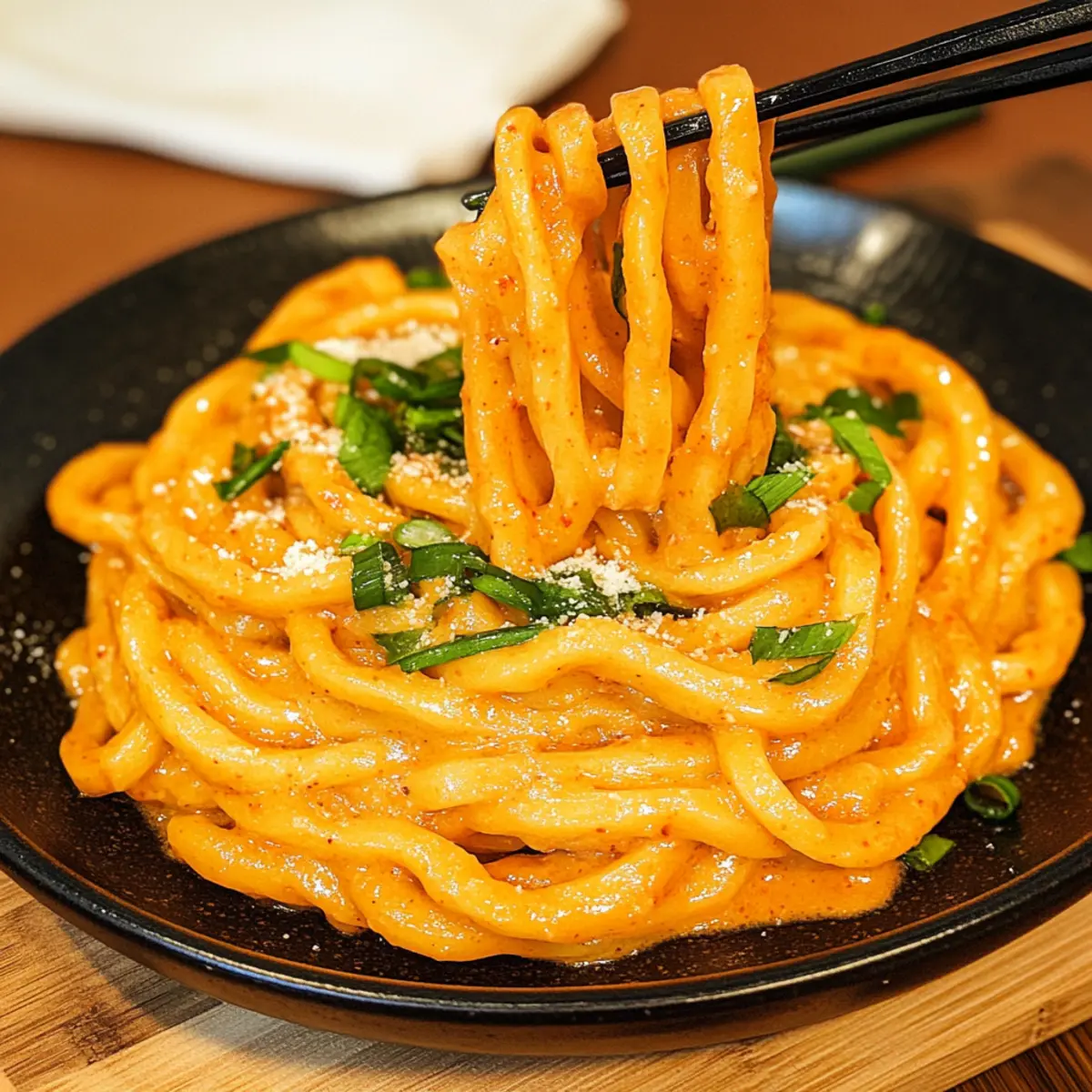
Creamy Gochujang Udon Noodles Recipe FAQs
How do I choose ripe ingredients for the sauce?
Absolutely! For the best flavor, select fresh garlic - it should be firm and without any dark spots. Shallots should be well-shaped and free from blemishes. Gochujang can be found at Asian grocery stores; look for vibrant color and a well-sealed jar to ensure freshness.
How should I store leftover Creamy Gochujang Udon Noodles?
Store any leftovers in an airtight container in the fridge for up to 3 days. Make sure to let the noodles cool down before sealing them to prevent condensation, which can affect the texture.
Can I freeze Creamy Gochujang Udon Noodles?
Yes! To freeze, let the noodles cool completely, then transfer them to a freezer-safe container. They can be frozen for up to 2 months. I suggest portioning them out for convenient meals later. When you’re ready to eat, reheating on the stove with a splash of water or additional cream helps restore creaminess.
What if my sauce is too thick when I combine it with the noodles?
If the sauce appears too thick, add a little of the reserved noodle water gradually while stirring until you reach your desired consistency. This will keep the sauce creamy without having to start the cooking process over again.
Are there any dietary considerations I should be aware of?
Good question! If you have peanut allergies, you can rest easy since all the ingredients are nut-free. For a dairy-free version, simply substitute the heavy cream with coconut cream and skip the parmesan cheese. Always remember to check labels if you’re using store-bought ingredients like soy sauce or gochujang, as they may contain traces of allergens.
Can I modify the spice level in the recipe?
Very much so! If you prefer a milder flavor, start with half the amount of gochujang and gochugaru. You can always add more to your taste. Cooking is all about personal preference, so feel free to adjust according to your spice tolerance!
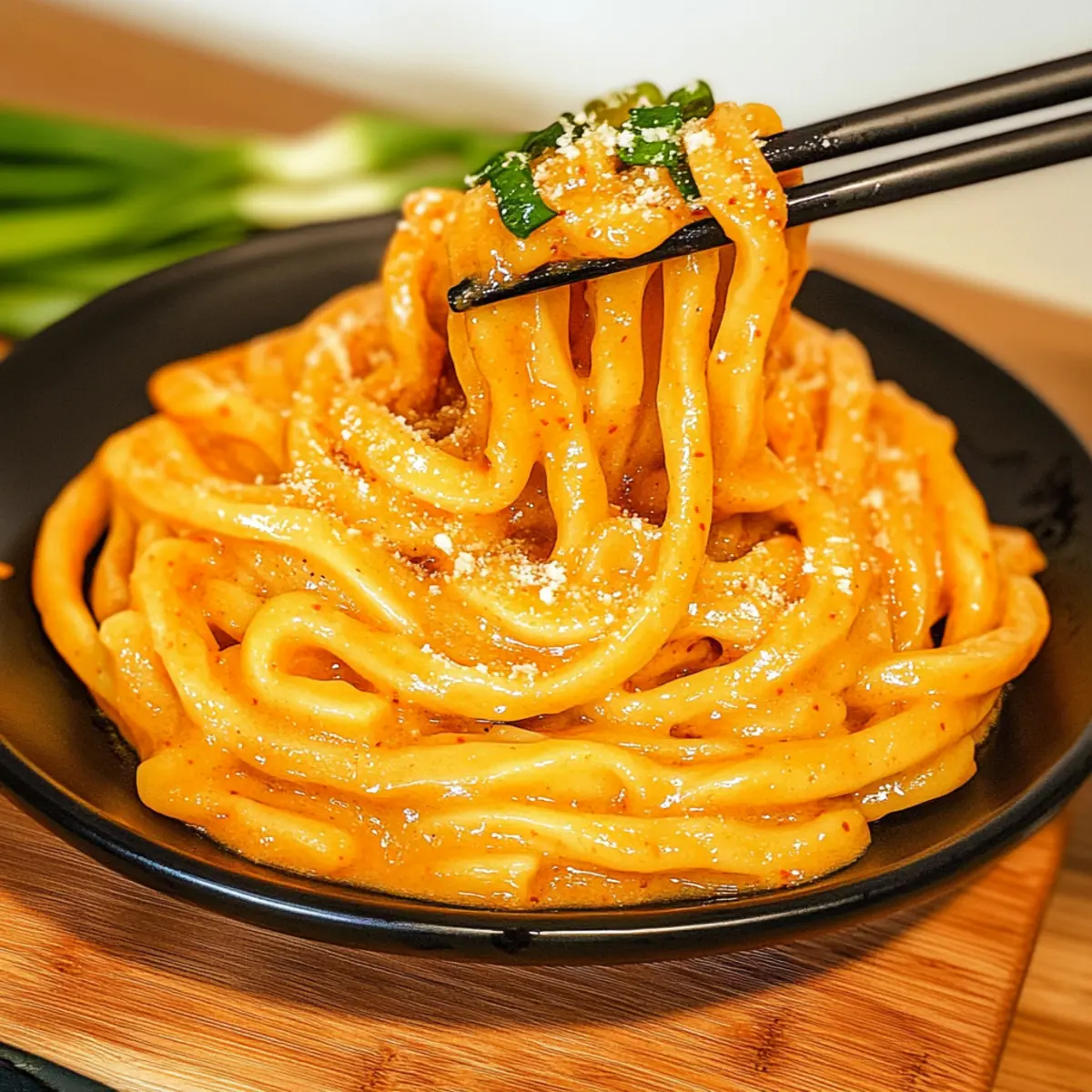
Creamy Gochujang Udon Noodles for a Spicy Comfort Hit
Ingredients
Equipment
Method
- Cook the Noodles: Bring a large pot of salted water to a boil. Add the frozen udon noodles and cook according to package instructions, typically 3-5 minutes, until tender. Reserve 1/2 cup of noodle water, drain the noodles, and rinse briefly under cool water.
- Sauté Aromatics: In a large skillet, melt 2 tablespoons of butter over medium heat. Add minced garlic and chopped shallot. Sauté for about 2-3 minutes until fragrant and translucent.
- Build the Sauce: Stir in 2 tablespoons of gochujang, sauté for another 30 seconds. Slowly add 1 cup of heavy cream and reserved noodle water, then stir in 2 tablespoons of soy sauce and 1 tablespoon of gochugaru. Simmer for about 3-4 minutes until thickened.
- Combine: Add the cooked udon noodles to the skillet, gently toss to coat in the sauce. If too thick, add more reserved noodle water.
- Serve: Dish out into serving bowls. Top with grated Parmesan cheese, chopped green onions, and an optional egg yolk. Serve hot.


Leave a Reply