
The aroma of sizzling noodles fills my kitchen, instantly transporting me to a bustling Cantonese street market. Today, I’m sharing my quick and easy recipe for Crispy Cantonese Chow Mein, a dish that packs all the savory and slightly sweet notes I love about authentic Chinese cuisine. Perfect for those evenings when you crave something satisfying yet don’t want to spend hours in the kitchen, this dish comes together in under 15 minutes using simple pantry ingredients. Not only is it a total crowd-pleaser, but it's also customizable—add your favorite veggies or proteins for a delightful twist. Are you ready to elevate your weeknight dinners with this delicious homemade stir-fry? Let's get cooking!
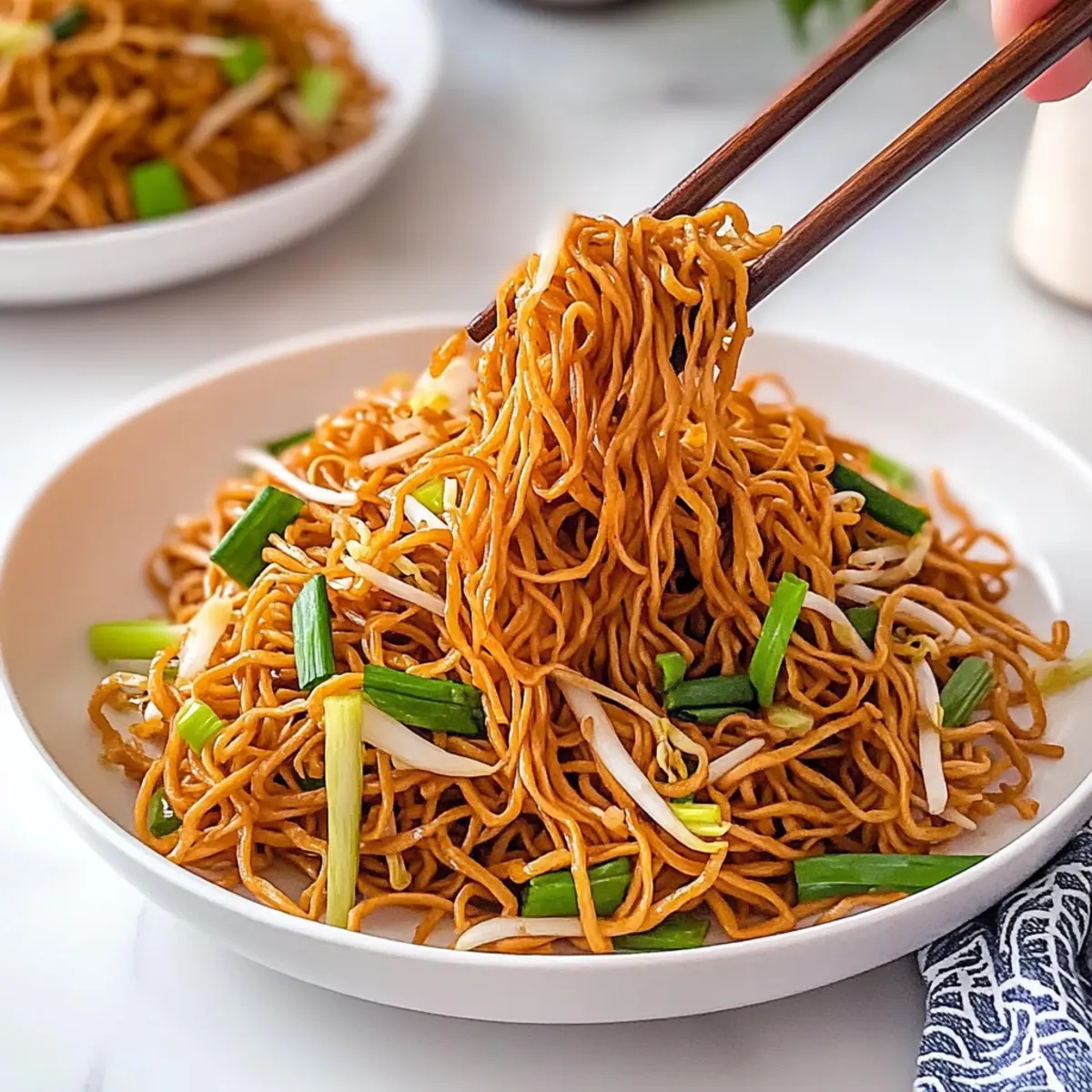
Why is this chow mein recipe a must-try?
Quick & Easy: This Cantonese Chow Mein comes together in just 15 minutes, making it perfect for busy weeknights or last-minute cravings.
Savory Sweet Balance: Enjoy the delightful contrast of flavors with a perfect blend of soy sauce, sugar, and aromatic ingredients that elevates the dish to a whole new level.
Versatile Ingredients: Customize your chow mein with your favorite veggies or proteins, whether it’s chicken, shrimp, or tofu—endless options await!
Authentic Taste: Experience the authentic essence of Cantonese cuisine right from your kitchen, without the need to book a table at your favorite restaurant.
Crowd-Pleaser: Impress family or friends with this dish that’s sure to spark joy and comfort at your dinner table—everyone will be asking for seconds!
Cantonese Chow Mein Ingredients
• Perfect for a quick stir-fry!
For the Noodles
- Chow Mein Egg Noodles – Use thin, fresh noodles labeled "chow mein" or "Hong Kong style" for the best texture.
For the Aromatics
- Yellow Onion – Adds savory sweetness and depth; shallots can be used for a milder flavor.
- Green Onions – Provides freshness and color with a mild flavor; feel free to substitute with chives.
For the Crunch
- Bean Sprouts – Contributes a satisfying crunch; mung bean sprouts are traditional, while snow peas can offer a unique twist.
For Frying
- Corn Oil – Essential for frying to achieve those crispy noodles; canola oil works as a great substitute.
For the Flavorful Sauce
- Dark Soy Sauce – Offers a rich color and deep umami flavor; if needed, regular soy sauce can be used but will be lighter.
- Regular Soy Sauce – Provides depth of flavor; opt for light soy sauce for a reduced saltiness.
- Oyster Sauce – Enhances overall savoriness; look for vegetarian alternatives if needed.
- Fish Sauce – Adds umami and saltiness; omit for a vegetarian version, using soy sauce instead.
- Granulated Sugar – Balances out the savory flavors; honey or agave syrup can work as sweet substitutes.
- Water – Used to slightly dilute the sauce mixture for perfect coating.
For Finishing Touches
- Sesame Oil – Drizzle for a nutty flavor at the end; toasted sesame oil provides an even richer taste.
Step‑by‑Step Instructions for Cantonese Chow Mein
Step 1: Prepare the Noodles
Begin by bringing a pot of water to a rolling boil. Once boiling, add the chow mein egg noodles and soak for 30 seconds to 1 minute, until softened but not fully cooked. Drain the noodles in a colander and rinse briefly under cold water to halt the cooking process, then set them aside.
Step 2: Make the Sauce
In a medium mixing bowl, combine the dark soy sauce, regular soy sauce, oyster sauce, fish sauce, granulated sugar, and water. Whisk the ingredients together until the sugar dissolves completely, ensuring a smooth sauce that will envelop your Cantonese Chow Mein. Set the sauce aside for later use as it infuses the dish with flavor.
Step 3: Sauté Aromatics
Heat 1 tablespoon of corn oil in a preheated wok over medium-high heat. Once the oil shimmers, add the chopped yellow onion and the white parts of the green onions. Sauté for about 1 minute until fragrant and the onions are slightly translucent. Remove the aromatic mixture from the wok and set it aside to keep warm.
Step 4: Pan-Fry Noodles
Return the wok to the heat and add another tablespoon of corn oil, allowing it to heat until shimmering. Spread the drained noodles in a thin, even layer across the bottom of the wok and let them fry undisturbed for about 2 minutes until they are golden and crispy on the bottom. Carefully flip the noodles and continue to cook until they achieve a perfect crisp, about another 2 minutes.
Step 5: Combine
Once the noodles are beautifully crispy, add the sautéed onion mixture, green onions, and bean sprouts directly into the wok. Pour the prepared sauce over the mixture and gently toss everything together, ensuring the noodles are well coated. Stir-fry for 1-2 minutes until the bean sprouts are just tender and the sauce clings to the noodles.
Step 6: Finish and Serve
Remove the wok from heat and drizzle the finished Cantonese Chow Mein with sesame oil for that signature nutty flavor. Toss gently one last time to combine. Serve the dish hot, garnished with additional green onions if desired, and enjoy a satisfying, homemade meal that captures the essence of Cantonese cuisine right at your table.
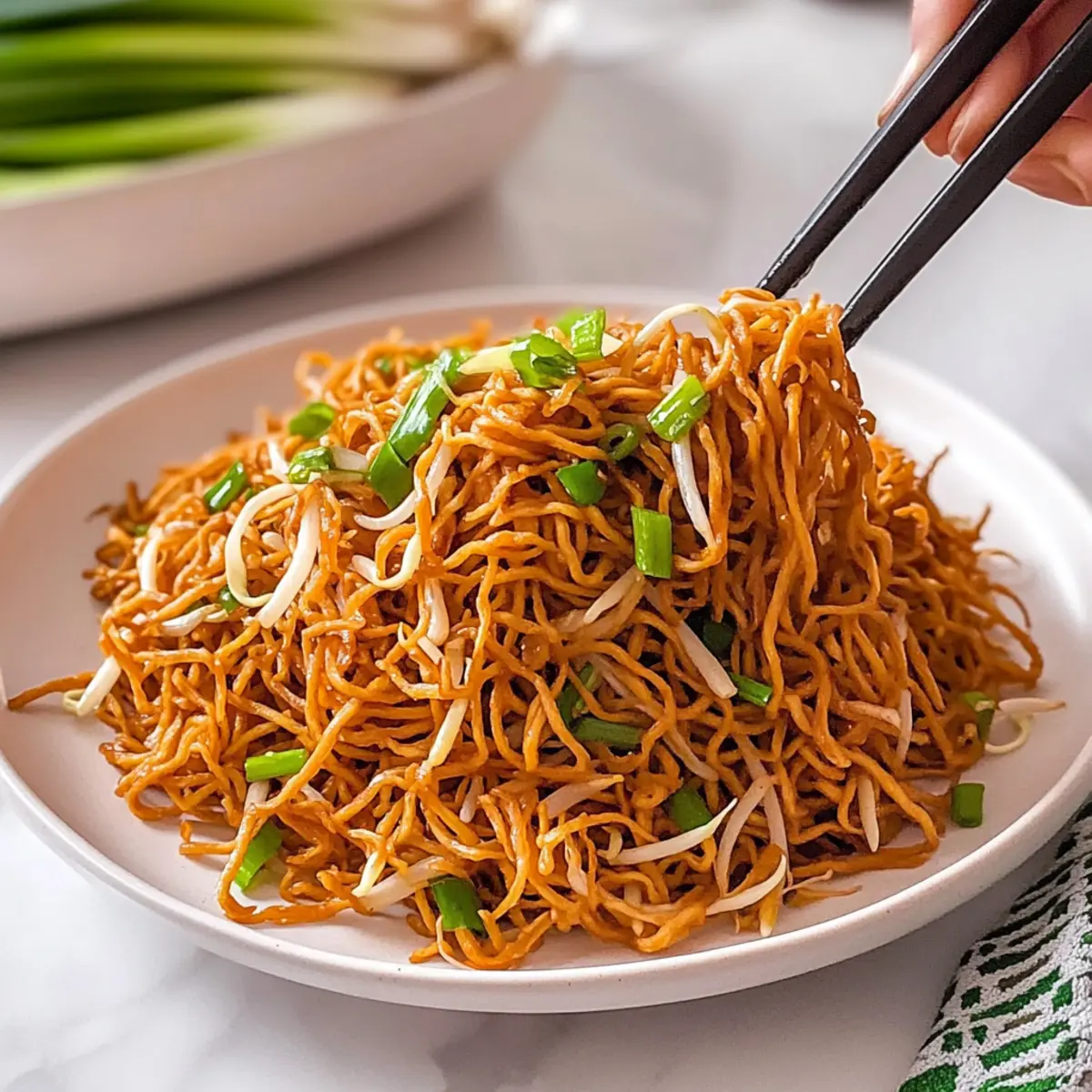
Cantonese Chow Mein Variations & Substitutions
Feel free to explore these fun twists to make this Cantonese Chow Mein uniquely yours, enhancing flavors and textures with every bite!
- Vegetarian Delight: Swap out oyster and fish sauces for mushroom soy sauce to maintain depth without the seafood.
- Protein Options: Add chicken, shrimp, or tofu for a hearty boost. Just marinate briefly for extra flavor!
- Extra Veggies: Toss in sliced bell peppers, carrots, or broccoli for added color and crunch, making it a more balanced meal.
- Gluten-Free Alternative: Use gluten-free soy sauce or tamari along with rice noodles instead of chow mein for a delicious twist.
- Sweet & Spicy Kick: Add crushed red pepper flakes or a drizzle of chili oil for a spicy edge to balance the sweetness!
- Crispy Toppings: Top your chow mein with toasted sesame seeds or crushed peanuts for an exciting crunch.
- Noodle Variations: Experiment with udon or rice noodles instead of chow mein noodles for a different texture and flavor.
- Herb Infusion: Fresh herbs like cilantro or basil can elevate the dish further, adding a burst of freshness to every bite.
The beauty of this dish is its flexibility. If you're looking for more ways to enhance your cooking, consider a delightful side like Chinese Broccoli with Oyster Sauce or save time with delightful meal prep ideas! Don't shy away from creativity; your flavor journey awaits!
What to Serve with Crispy Cantonese Chow Mein
Elevate your chow mein experience with delightful side dishes and beverages that perfectly complement this flavorful and crispy noodle dish.
-
Sweet and Sour Chicken: This tangy dish adds a delightful contrast, balancing the savory flavors of the chow mein while bringing a hint of sweetness to your meal. Perfect for the ultimate homemade Chinese feast!
-
Stir-Fried Vegetables: A mix of colorful bell peppers, broccoli, and carrots brings freshness and crunch, enhancing the meal's texture with vibrant veggies that complement the noodles beautifully.
-
Egg Drop Soup: Silky and savory, this classic Chinese soup offers a comforting warm contrast to the crispiness of the chow mein, making it a charming addition to your dinner table.
-
Spring Rolls: Crunchy and filled with fresh vegetables or protein, spring rolls make for a delightful, bite-sized appetizer, enticing your palate before diving into the hearty chow mein.
-
Chili Garlic Edamame: Lightly steamed and tossed in a spicy garlic sauce, these edamame add a punchy flavor while providing a pop of color, setting the stage for a delicious, well-rounded meal.
-
Green Tea: A soothing cup of green tea cleanses the palate and enhances the overall dining experience with its subtle, earthy notes, making it a perfect pairing for savory dishes.
-
Mango Sticky Rice: For dessert, treat yourself to this sweet, creamy dish that beautifully captures the essence of Asian flavors. The sweetness of mango complements the savory chow mein, creating a well-balanced meal.
-
Crispy Tofu Bites: Add a protein option that captures the crispy texture. Seasoned to perfection, these bites provide a satisfying contrast to the noodles, offering a delightful crunch in every mouthful.
Expert Tips for Cantonese Chow Mein
-
Noodle Preparation: Soak noodles correctly: Ensure you do not over-soak the chow mein noodles. They should be softened but not mushy; a quick soak of 30 seconds is ideal.
-
Wok Temperature: Heat matters: Always preheat your wok to a high temperature before frying to achieve the perfect crisp on your Cantonese Chow Mein.
-
Sauce Timing: Add sauce wisely: Pouring sauce in too early can make the noodles soggy. Wait until the noodles are crispy before combining.
-
Ingredient Prep: Organize ahead: Have all your ingredients prepped and ready to go before you start cooking, as this dish cooks quickly.
-
Vegetarian Option: Flavor alternatives: For a vegetarian take, simply omit oyster and fish sauces and use mushroom soy sauce for a wonderful umami flavor without meat.
-
Fresh Garnish: Enhance presentation: Finish your chow mein with freshly chopped green onions or sesame seeds to add color and extra flavor to the dish.
Make Ahead Options
These crispy Cantonese Chow Mein noodles are fantastic for meal prep, allowing you to save time during busy weeknights! You can prepare the sauce and chop all your vegetables up to 3 days in advance; simply store them separately in airtight containers in the refrigerator to maintain their freshness. Additionally, the noodles can be cooked and left out at room temperature for up to 1 hour before frying for that perfect crisp texture. When you're ready to serve, heat a wok with a little oil, pan-fry the prepped noodles until golden, then toss in the sautéed aromatics, bean sprouts, and sauce. Enjoy a delicious meal that comes together effortlessly!
Storage Tips for Cantonese Chow Mein
Fridge: Store leftovers in an airtight container in the refrigerator for up to 3 days. This helps retain the flavors and ensures your chow mein stays fresh.
Freezer: For longer storage, freeze the cooled Cantonese chow mein for up to 3 months. Seal it in a freezer-safe container or bag to prevent freezer burn.
Reheating: To reheat, thaw overnight in the fridge and then heat in a wok or microwave until warm. Add a splash of water or soy sauce to prevent noodles from drying out.
Room Temperature: Avoid leaving chow mein out for more than 2 hours at room temperature to mitigate any food safety risks.
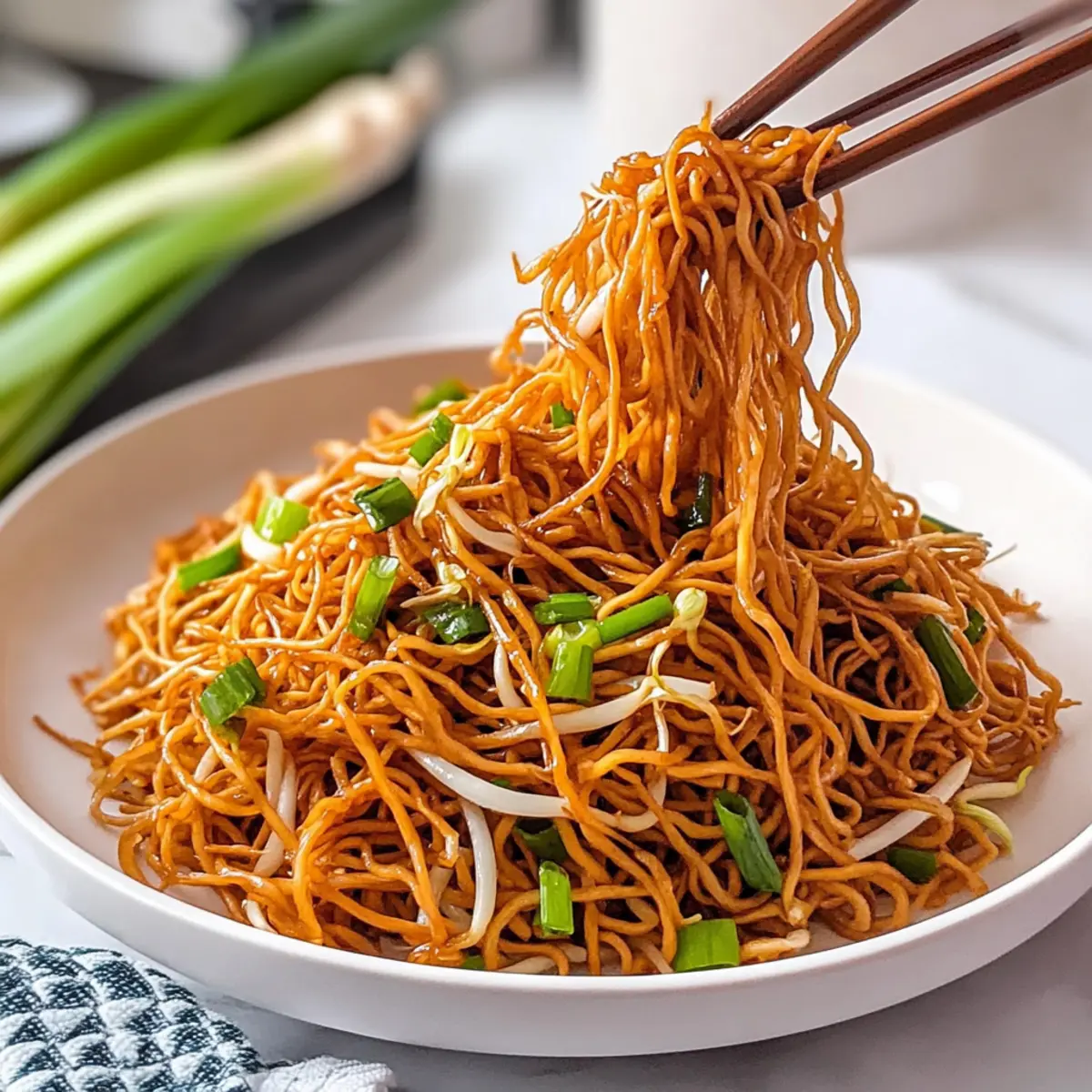
Cantonese Chow Mein Recipe FAQs
What type of noodles should I use for Cantonese Chow Mein?
Absolutely! For the best results, opt for thin, fresh chow mein egg noodles, often labeled as "Hong Kong style." These noodles have the ideal texture that holds up well in stir-frying. If you're unable to find them, you could substitute with regular egg noodles, but the texture may not be as perfect.
How do I store leftover Cantonese Chow Mein?
To keep your leftover chow mein fresh, store it in an airtight container in the fridge for up to 3 days. This will help retain its flavors and prevent it from drying out. Reheat gently in a wok or microwave, adding a splash of water to keep the noodles moist!
Can I freeze Cantonese Chow Mein?
Very! You can freeze your cooled Cantonese Chow Mein for up to 3 months. Make sure to store it in a freezer-safe container or a resealable bag to prevent freezer burn. When you're ready to enjoy it again, thaw it overnight in the fridge and reheat in a wok or microwave, adding a bit of water or soy sauce as needed.
What should I do if the noodles turn out too mushy?
If your chow mein noodles end up mushy, it often means they were soaked too long initially. To troubleshoot, next time, only soak the noodles for 30 seconds—just until they're softened. If they're already cooked, you can try pan-frying them in a hot wok for a couple of minutes; this may help add some texture back into them!
Is this dish suitable for vegetarians?
Absolutely! To make your Cantonese Chow Mein vegetarian, simply omit the oyster and fish sauces. You can replace them with mushroom soy sauce, which adds a lovely umami flavor without any meat products. Your dish will still be savory and delicious, perfect for veggie lovers!
How long can I leave chow mein sitting out?
It's wise to avoid leaving chow mein out at room temperature for more than 2 hours. To ensure food safety, be sure to refrigerate it within this time frame, especially if you're preparing it for a gathering or meal prep.
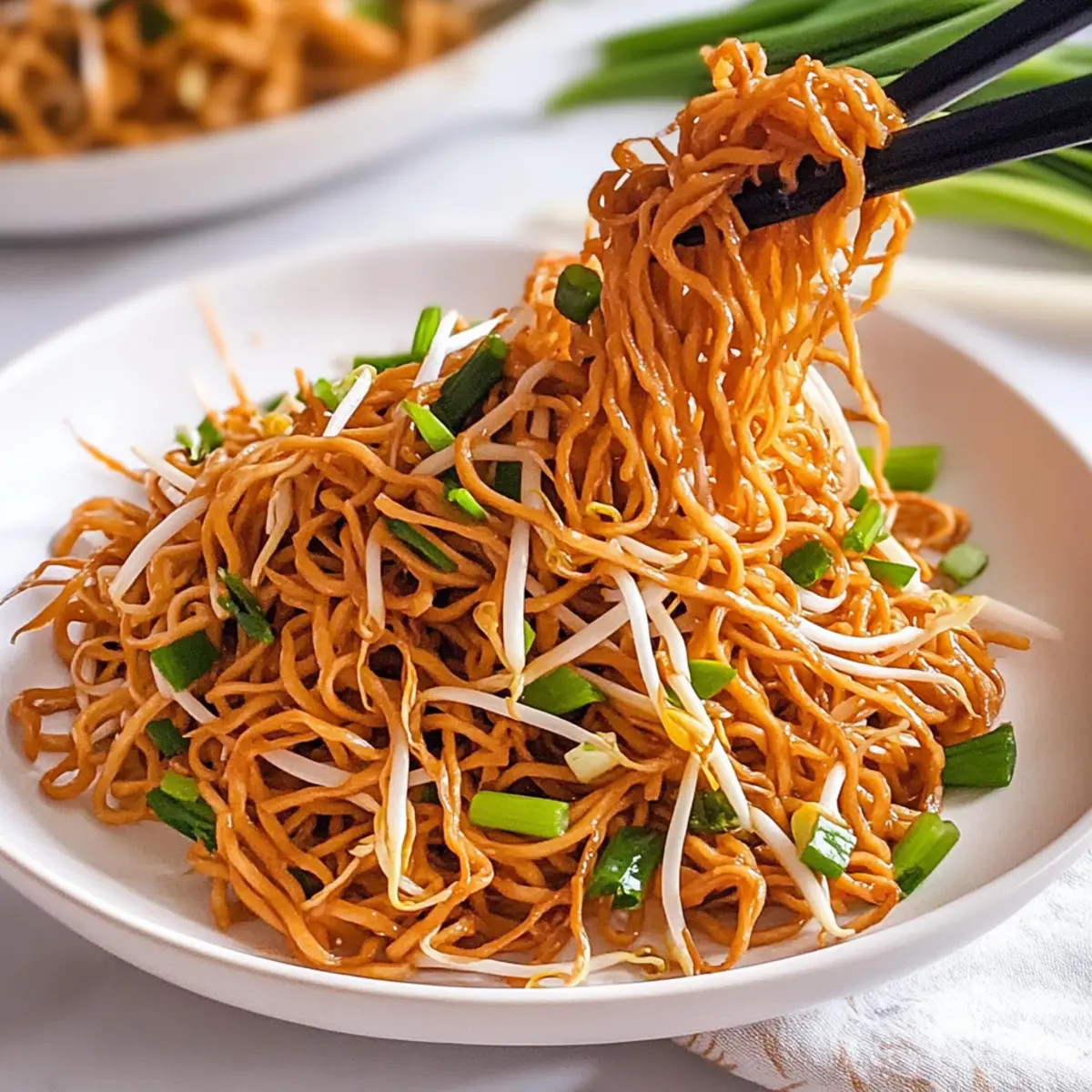
Cantonese Chow Mein: Savory Noodles Ready in 15 Minutes
Ingredients
Equipment
Method
- Prepare the noodles by boiling water. Soak chow mein egg noodles for 30 seconds, drain, and rinse under cold water.
- In a mixing bowl, combine dark soy sauce, regular soy sauce, oyster sauce, fish sauce, sugar, and water. Whisk until smooth.
- Heat 1 tablespoon of corn oil in the wok, sauté yellow onion and white parts of green onions for about 1 minute.
- Add another tablespoon of corn oil to the wok, fry drained noodles for 2 minutes until golden, then flip and cook for another 2 minutes.
- Combine crispy noodles with sautéed mixture, add bean sprouts and pour over the sauce. Toss and stir-fry for 1-2 minutes.
- Drizzle sesame oil, toss gently, serve hot, garnished with green onions.




Leave a Reply