
Crispy and comforting, Japanese Katsu Bowls with Tonkatsu Sauce whisk me away to bustling izakayas with every bite. The magic of this dish lies in the juicy panko-crusted cutlets—whether chicken or pork—that sit atop a fluffy bed of steaming white rice. Not only is this recipe a delightful crowd-pleaser, but it also offers quick prep for those busy weeknights when you crave homemade goodness over fast food. Picture adding your favorite customizable toppings, turning this classic meal into a personalized feast! Haven’t you ever wondered how such simple ingredients can create something truly unforgettable? Let's dive in and discover the secrets behind this delicious dish together!
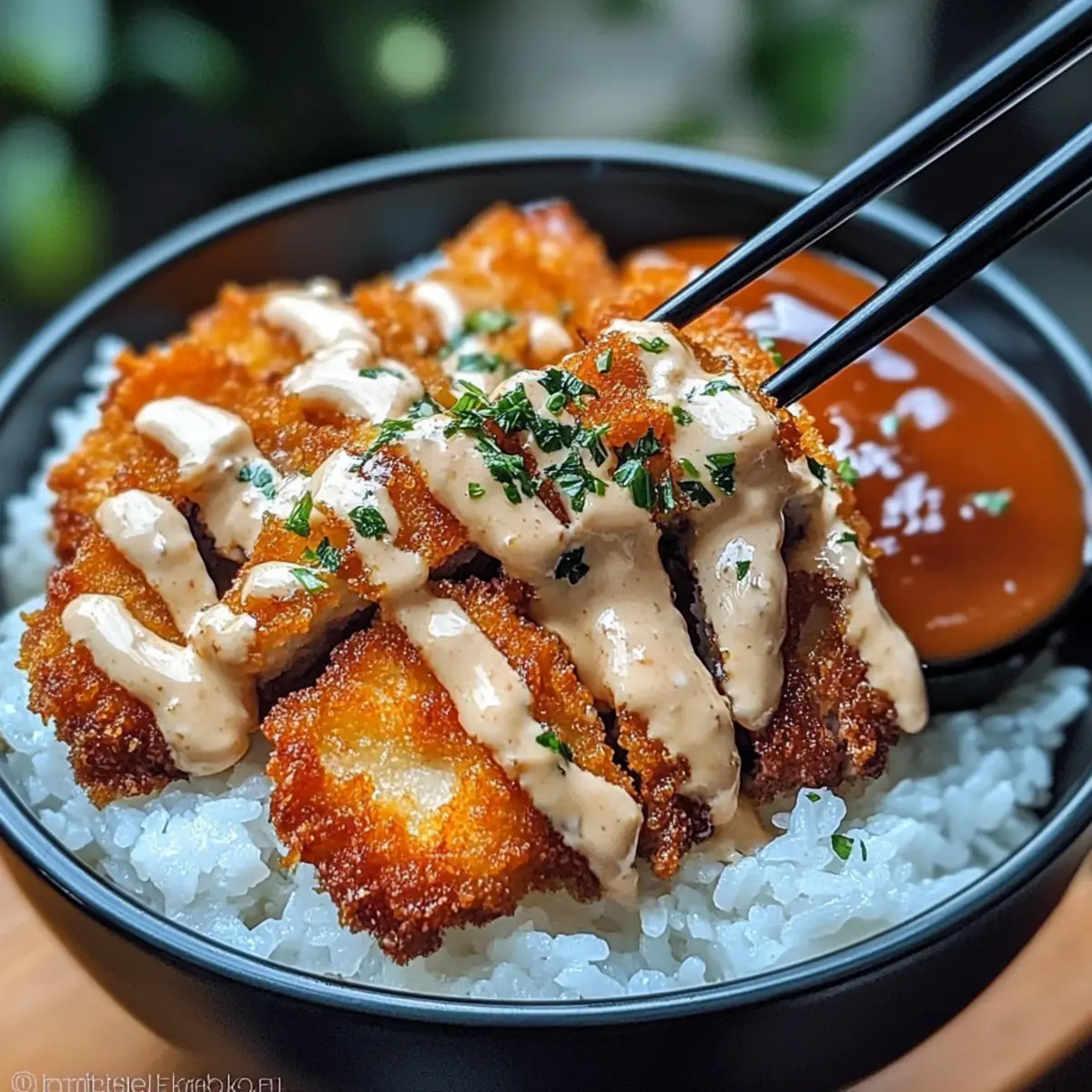
Why are Katsu Bowls so Addictive?
Irresistible Crunch: The panko-breaded cutlets provide a delightful texture that pairs perfectly with soft, fluffy rice.
Flavor Explosion: Each bite of the cutlet coated in rich tonkatsu sauce delivers a balance of savory and slightly sweet flavors that’s simply unforgettable.
Quick and Easy: This dish is a breeze to prepare, making it ideal for busy evenings when you want something delicious without spending hours in the kitchen.
Customizable Toppings: Whether you prefer drizzling with fresh herbs or adding seasonal vegetables, you can easily make this dish your own.
Comfort Food Delight: Katsu bowls bring a cozy warmth to the table, transforming any meal into a comforting experience. For more flavorful ideas, check out my Tagliatelle Asparagus Peas or Fish Taco Bowls for inspiration!
Japanese Katsu Bowls Ingredients
For the Cutlets
- Pork or Chicken Cutlets – The star of the dish; tenderize them for even cooking.
- Salt and Pepper – Essential for seasoning; adjust according to your taste.
- All-Purpose Flour – This forms the base coating for flavor; use gluten-free flour if necessary.
- Eggs – Binds the panko breadcrumbs to the cutlets; swap for a flax or chia egg for a vegan-friendly option.
- Panko Breadcrumbs – Provides a super crispy exterior; regular breadcrumbs can substitute, though they'll differ in texture.
For the Sauce
- Ketchup – The main component of tonkatsu sauce, adding a sweet depth to the flavor.
- Worcestershire Sauce – Offers a delightful tang that enhances the overall richness.
- Soy Sauce – Introduces a savory umami flavor; opt for tamari for gluten-free needs.
- Sugar – Balances the sauce's flavors; feel free to adjust to your liking.
For Serving
- Steamed White Rice – This fluffy base complements the crunchy cutlets perfectly; consider substituting with brown rice or quinoa for a health twist.
- Fresh Parsley or Green Onions – Optional garnishes that add a pop of freshness and color to your dish.
Enjoy crafting these Japanese Katsu Bowls with Tonkatsu Sauce, and let your kitchen transform into a delightful izakaya!
Step‑by‑Step Instructions for Japanese Katsu Bowls with Tonkatsu Sauce
Step 1: Prepare the Cutlets
Start by placing your pork or chicken cutlets between two sheets of plastic wrap and pound them to an even thickness of about ½ inch using a meat mallet. This ensures even cooking and tenderness. Once flattened, season both sides with salt and pepper to enhance the flavor of your Japanese Katsu Bowls.
Step 2: Set Up the Breading Station
Create a breading station by placing all-purpose flour in one shallow dish, beaten eggs in a second dish, and panko breadcrumbs in a third dish. This setup makes it easy to coat your cutlets thoroughly. It’s essential for achieving that wonderfully crispy texture in your Katsu Bowls!
Step 3: Bread the Cutlets
Dredge each seasoned cutlet in flour, making sure to shake off any excess. Next, dip it into the beaten eggs, allowing any excess egg to drip back into the dish. Finally, coat the cutlet with panko breadcrumbs, pressing gently to ensure they stick well. Your cutlets are now fully prepared for frying!
Step 4: Heat the Oil
In a large frying pan, heat about a half-inch of vegetable or canola oil over medium-high heat until it reaches around 350°F (175°C). You can test the oil's readiness by dropping in a few breadcrumbs; they should sizzle immediately. This temperature is key to achieving the perfect golden-brown crust for your Japanese Katsu Bowls.
Step 5: Fry the Cutlets
Carefully add the breaded cutlets to the hot oil, frying them for about 3-4 minutes on each side. Watch for a crunchy golden color as they cook. For safety, ensure the internal temperature reaches 165°F (74°C) for chicken or 145°F (63°C) for pork, so you know your Katsu Bowls are perfectly cooked and safe to eat.
Step 6: Drain the Cutlets
Once the cutlets are golden brown and cooked through, use tongs to transfer them to a plate lined with paper towels. This helps absorb any excess oil, keeping your Katsu Bowl delightful and crispy. Allow them to rest for a moment while you prepare the sauce.
Step 7: Make the Tonkatsu Sauce
In a small bowl, mix together ketchup, Worcestershire sauce, soy sauce, and sugar. Stir thoroughly to combine the flavors and adjust the sweetness to your liking. This tangy tonkatsu sauce is what brings your Japanese Katsu Bowls to life, adding that signature flavor that complements the crunchy cutlets.
Step 8: Assemble the Bowls
To serve, place a generous scoop of steamed white rice in each bowl, then slice the crispy cutlets and arrange them beautifully on top. Drizzle with the homemade tonkatsu sauce to infuse each bite with flavor. Feel free to add optional garnishes like fresh parsley or green onions for a burst of color and freshness.
Step 9: Serve Immediately
Serve your Japanese Katsu Bowls hot, allowing everyone to dig in while the cutlets are their crispiest. The combination of textures and flavors will create a comforting dining experience that’s sure to impress family and friends!
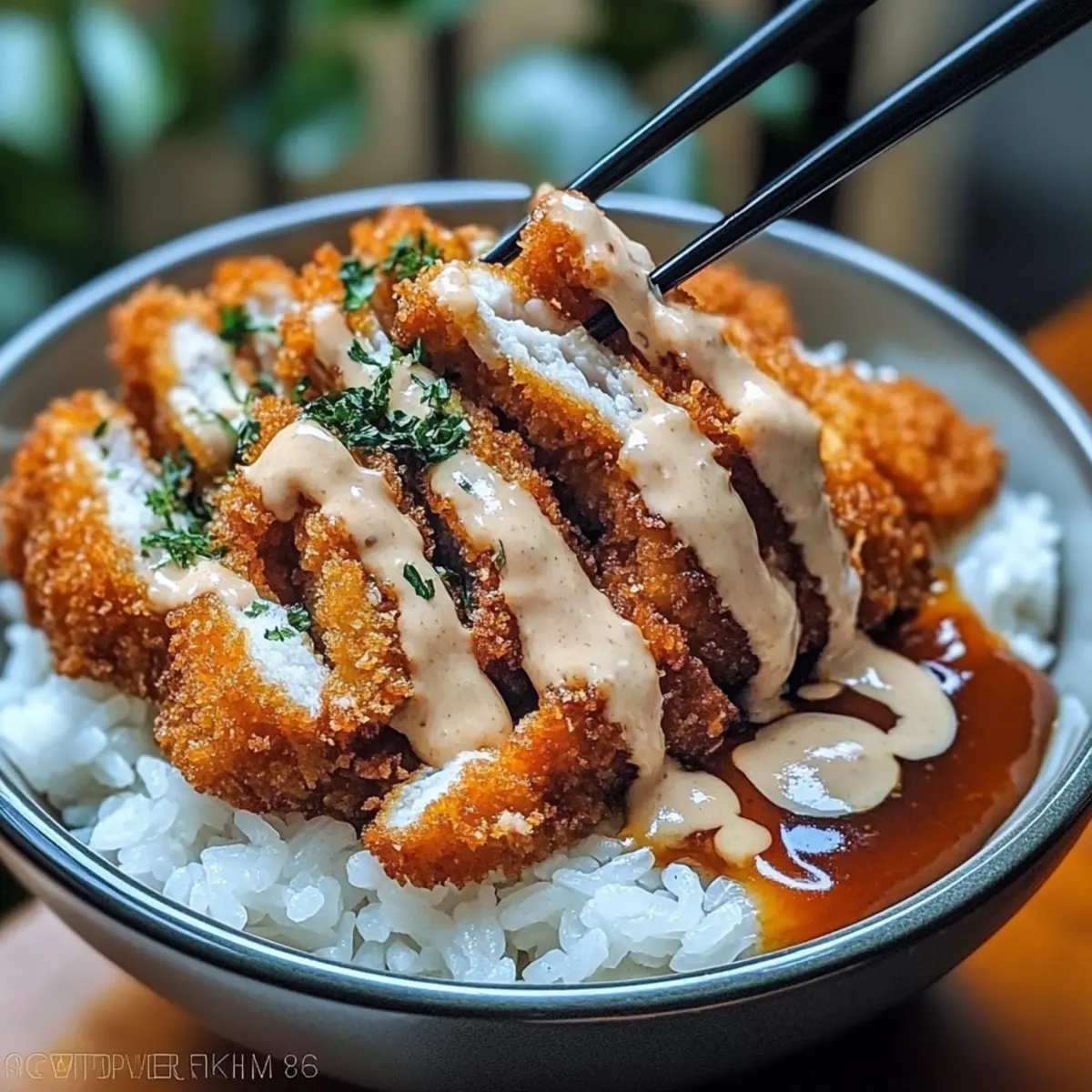
How to Store and Freeze Japanese Katsu Bowls
Fridge: Store leftover katsu and rice in separate airtight containers; they can last up to 3 days. This keeps the cutlets crispy and rice fluffy.
Freezer: You can freeze cooked cutlets for up to 2 months. Wrap them tightly in plastic wrap and place them in a freezer-safe bag to prevent freezer burn.
Reheating: To reheat, place cutlets in an oven at 350°F (175°C) for about 10-15 minutes until crisp. For the rice, add a splash of water and reheat in the microwave, covering it to preserve moisture.
Note: While the tonkatsu sauce can be refrigerated for up to a week, it’s best enjoyed fresh for your Japanese Katsu Bowls.
What to Serve with Japanese Katsu Bowls with Tonkatsu Sauce
Elevate your Katsu Bowl experience by exploring complementary dishes that enhance the delightful flavors and textures of this comforting meal.
-
Miso Soup: A warm, savory soup that adds depth and a touch of umami, perfectly balancing the richness of katsu.
-
Cucumber Salad: Refreshing and crunchy, this salad provides a crisp contrast that brightens each bite of the Katsu Bowl.
-
Steamed Edamame: Nutrient-packed and lightly salted, these bite-sized snacks offer a satisfying pop that pairs well with the sauce’s sweetness.
-
Pickled Vegetables: Tangy, crunchy pickles lift the dish’s flavors, providing a zesty counterpoint to the richness of the cutlets.
-
Sesame Noodles: The nutty flavor of sesame noodles creates a deliciously different texture while maintaining that delightful Asian flair.
-
Green Tea: A soothing drink, green tea cleanses the palate and complements the savory notes of the tonkatsu sauce.
-
Chocolate Mochi: For dessert, these chewy rice cakes filled with chocolate deliver a sweet finish that’s both fun and satisfying.
Each of these pairings enhances the experience, making your Japanese Katsu Bowls with Tonkatsu Sauce a truly memorable meal.
Expert Tips for Japanese Katsu Bowls
Oil Temperature Check: Ensure the oil is hot enough (around 350°F) before frying. This prevents greasy cutlets and promotes that perfectly crispy exterior.
Gentle Handling: Handle the cutlets gently during the breading process to avoid losing the panko coating, which is key for that delightful crunch in your Katsu Bowls.
Storage Wisdom: Store leftover katsu and rice separately in airtight containers to maintain the texture. Reheat rice with a splash of water for optimal fluffiness.
Custom Sauce Variations: Feel free to customize your tonkatsu sauce by adding ingredients like mustard or chili for an extra zing, enhancing the overall flavor of your Japanese Katsu Bowls.
Don’t Rush the Frying: Fry cutlets in batches if necessary; overcrowding can lower the oil temperature, resulting in less crispy katsu. Enjoy your cooking experience!
Make Ahead Options
These Japanese Katsu Bowls with Tonkatsu Sauce are perfect for busy home cooks looking to save time during hectic weeknights! You can prepare the panko-breaded cutlets and tonkatsu sauce up to 24 hours in advance. Simply bread the cutlets and store them in an airtight container in the refrigerator. For the sauce, mix the ingredients and refrigerate until needed. When ready to serve, just heat oil and fry the cutlets until golden brown, about 3-4 minutes per side. This method ensures your Katsu Bowls are just as delicious and crispy as if made fresh, making meal prep a breeze!
Japanese Katsu Bowls Variations & Substitutions
Feel free to explore the amazing possibilities for your Katsu Bowl and customize it to suit your taste and dietary needs!
-
Vegetarian Twist: Substitute chicken or pork with eggplant or tofu for a meatless delight that doesn’t skimp on flavor. You'll love the way the crispy coating contrasts with the tender vegetable or protein alternative.
-
Spicy Kick: Mix a teaspoon of sriracha or chili paste into your tonkatsu sauce for a heat boost that will spice things up. The warmth melds beautifully with the sweet and savory notes of the sauce!
-
Gluten-Free: Use gluten-free all-purpose flour and panko breadcrumbs to make this delightful dish accessible for those with gluten sensitivities. This way, everyone can enjoy the crispy goodness!
-
Brown Rice Base: Swap out the steamed white rice with brown rice or quinoa for a healthier, fiber-rich alternative that makes every bite even more satisfying. The nuttiness of the brown rice adds an extra layer of flavor!
-
Herbaceous Touch: Add fresh herbs like cilantro or basil to your rice or as a garnish to elevate the dish while adding a vibrant pop of color and freshness. The herbs can bring a whole new dimension to your bowls!
-
Tonkatsu Sauce Variants: Get creative with your tonkatsu sauce by incorporating coconut sugar instead of regular sugar for a deeper sweetness or a splash of lemon juice for a tangy twist. It can alter the flavor profile to suit your mood!
-
Flavorful Rice: Infuse steamed rice with furikake seasoning or mix in some pickled vegetables for an added crunch and burst of flavor. Just imagine each bite being a delightful surprise!
As you whip up your Katsu Bowls, consider pairing them with complementary dishes like Pan Fried Mayo or crispy sides like Sweet Potatoes Black to elevate your meal experience!
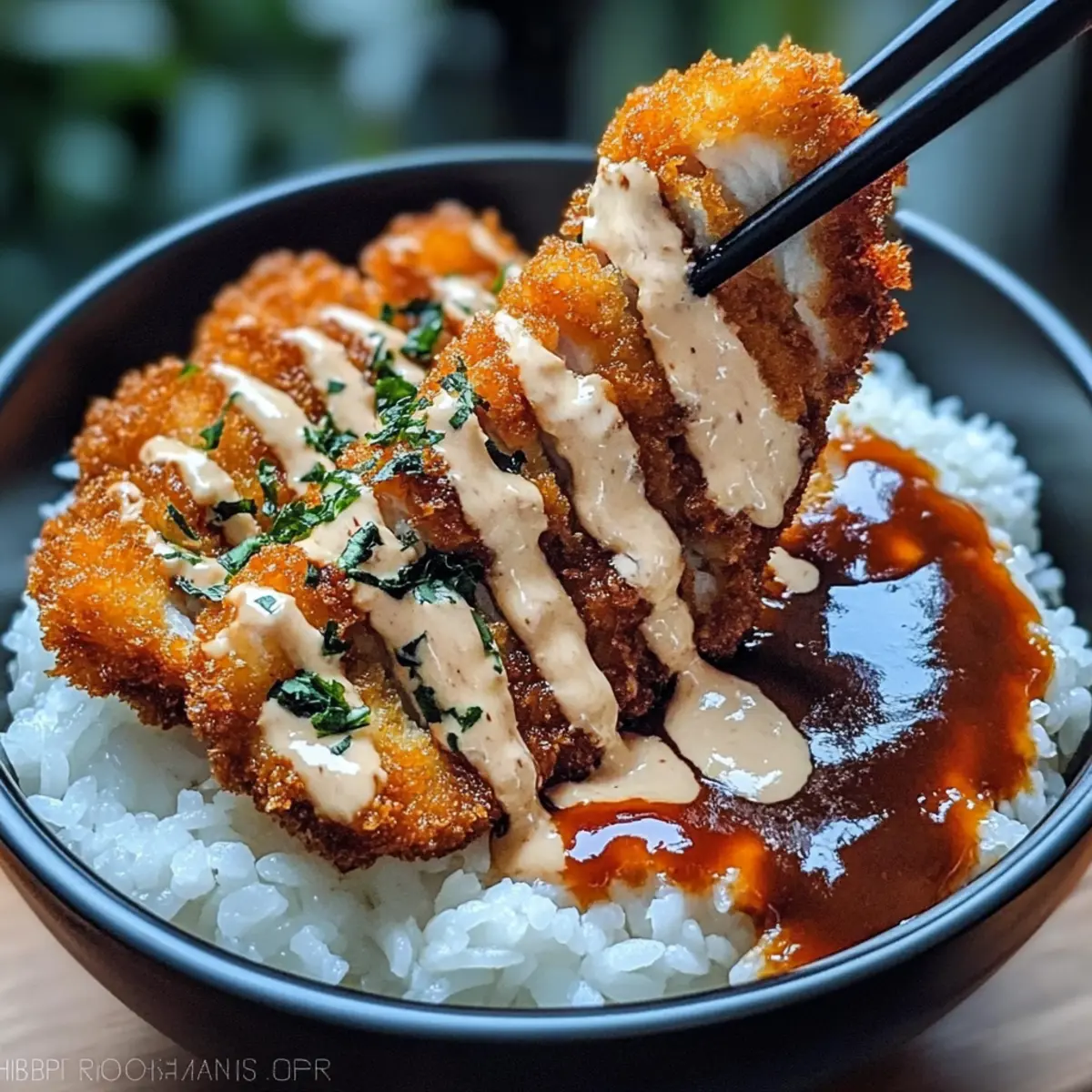
Japanese Katsu Bowls with Tonkatsu Sauce Recipe FAQs
How do I select the best cutlets for my Katsu Bowls?
When choosing pork or chicken cutlets, look for ones that are bright in color without any dark spots or blemishes. Tenderizing the cutlets to an even thickness of about ½ inch is key. This allows for uniform cooking and tenderness, ensuring your Japanese Katsu Bowls are perfectly juicy!
What’s the best way to store leftover Katsu and rice?
Store leftover cutlets and rice in separate airtight containers in the fridge. They'll stay fresh for up to 3 days. This separation helps maintain the cutlet's crispiness and the rice’s fluffiness, making sure you can enjoy them again!
Can I freeze my Katsu Bowls?
Absolutely! You can freeze the cooked cutlets for up to 2 months. I recommend wrapping them tightly in plastic wrap, then placing them in a freezer-safe bag to prevent freezer burn. For the best results when reheating, bake the cutlets at 350°F (175°C) for about 10-15 minutes, and reheat the rice with a splash of water in the microwave to keep it moist.
What dietary considerations should I keep in mind?
If you have dietary restrictions, consider using gluten-free flour and tamari instead of soy sauce for a gluten-free version. For a vegan option, substitute the chicken with eggplant or tofu and use a flax or chia egg as a binder for the breadcrumbs. Your personalized Katsu Bowl can still be delicious and satisfying while adhering to your dietary needs!
How can I troubleshoot if my cutlets end up greasy?
If your Katsu cutlets turn out greasy, it may be due to not enough oil heat. Make sure your oil is heated to around 350°F (175°C) before adding the cutlets. Additionally, avoid overcrowding the pan, as it can lower the temperature and lead to a soggier texture. Fry in smaller batches for optimal crispiness. Enjoy your Japanese Katsu Bowls to the fullest!
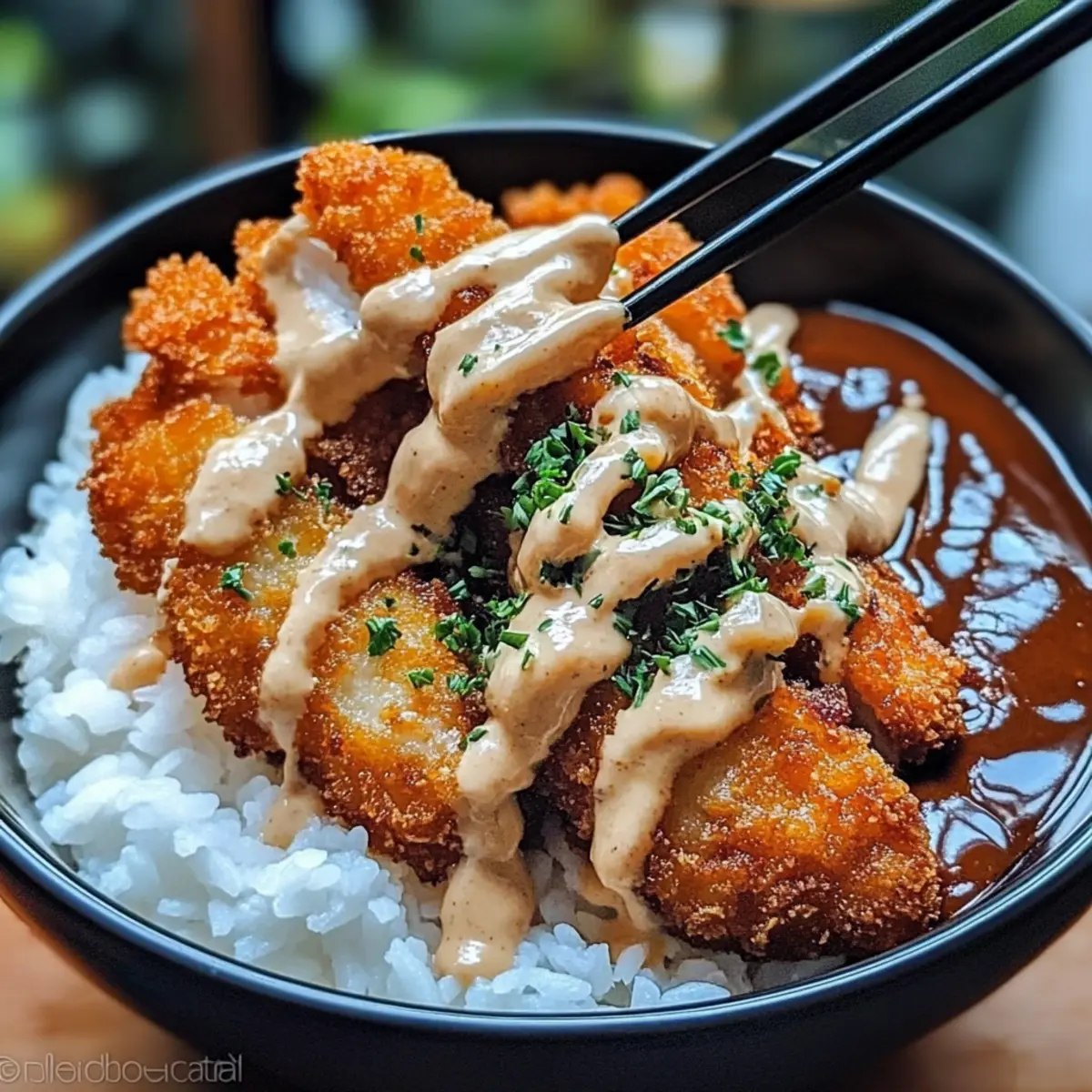
Crispy Japanese Katsu Bowls with Tonkatsu Sauce Bliss
Ingredients
Equipment
Method
- Prepare the cutlets by pounding them to an even thickness of about ½ inch and seasoning with salt and pepper.
- Set up the breading station with flour, beaten eggs, and panko breadcrumbs in separate dishes.
- Bread the cutlets by dredging in flour, dipping in eggs, and coating with panko breadcrumbs.
- Heat vegetable or canola oil in a pan to about 350°F (175°C) for frying.
- Fry the cutlets for about 3-4 minutes on each side until golden brown and internal temperature is reached.
- Drain the fried cutlets on paper towels to absorb excess oil.
- Make the tonkatsu sauce by mixing ketchup, Worcestershire sauce, soy sauce, and sugar in a bowl.
- Assemble the bowls with steamed rice, sliced cutlets, and drizzle with tonkatsu sauce.
- Serve immediately for the best texture and flavor.
Leave a Reply