
The aroma of sun-ripened tomatoes and sautéed eggplant wafts through my kitchen, instantly transporting me to the vibrant streets of Sicily. Today, I’m excited to share my Italian Eggplant Caponata recipe, a sweet and sour symphony that perfectly captures the essence of Mediterranean cuisine. This scrumptious dish is not only a crowd-pleaser but also wonderfully versatile: serve it atop crispy crostini, as a flavorful side to grilled meats, or simply savor it as a hearty vegetarian main course. The best part? Its easy preparation ensures you can indulge in a homemade delight without the stress, making it perfect for both busy weeknights and leisurely gatherings. So, are you ready to add a touch of Sicilian warmth to your table? Let's dive in!
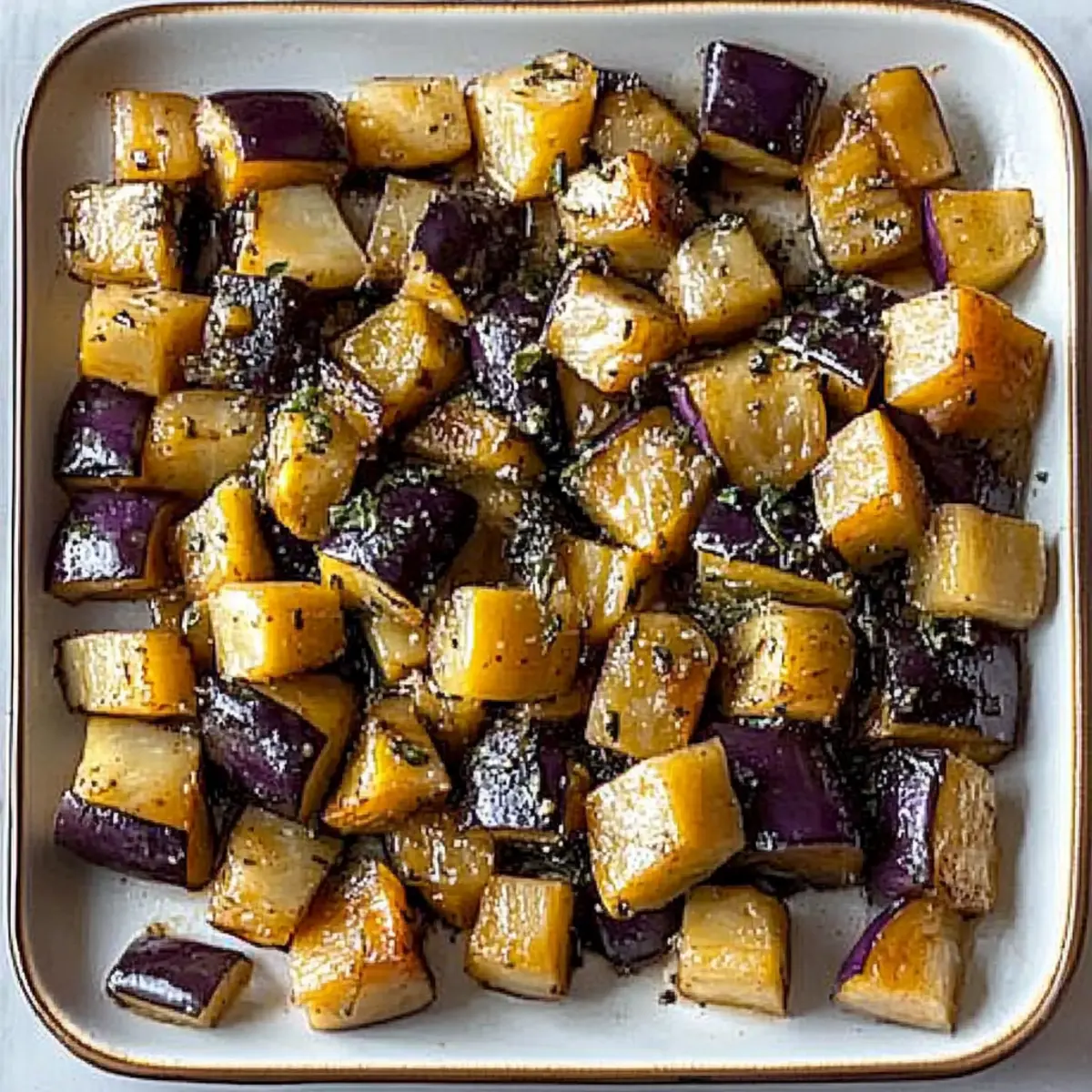
Why Is This Caponata So Special?
Bold, Flavorful Experience: Italian Eggplant Caponata combines sweet and sour notes, courtesy of the perfect blend of tomatoes, olives, and capers.
Versatile Serving Options: Serve it as an appetizer on crostini, a side dish with grilled chicken, or a standout veggie main course—there’s no wrong way to enjoy it!
Quick and Easy: This recipe requires minimal preparation and can be made in under an hour, making it ideal for busy weeknights or surprise guests.
Nutritional Powerhouse: Packed with vegetables and healthy fats, this dish offers a satisfying yet guilt-free indulgence for those seeking plant-based options.
Cultural Essence: Immerse yourself in Sicily’s rich culinary heritage as you savor every bite, reminding you of sun-soaked Mediterranean shores. For more Italian excitement, check out my delightful Chicken Adobo Again recipe!
Italian Eggplant Caponata Ingredients
For the Caponata
• Eggplant – provides the main structure and rich texture; use firm, fresh eggplants for the best flavor.
• Olive Oil – essential for roasting and sautéing; ensure using high-quality extra virgin olive oil for added richness.
• Onion – adds sweetness and depth when sautéed; substitute with shallots for a milder flavor if preferred.
• Celery – contributes crunch and freshness; can be replaced with bell pepper for a sweeter touch.
• Garlic – infuses aromatic flavor; opt for fresh minced garlic for the best effect.
• Diced Tomatoes – adds moisture and acidity; use canned or fresh, depending on availability.
• Olives – provides salty, briny notes; green or black olives work well, so choose based on your taste.
• Capers – adds tangy brininess, essential for the characteristic flavor; feel free to omit if desired.
• Red Wine Vinegar – offers acidity and brightness; lemon juice can be a fine substitute in a pinch.
• Sugar – balances the acidity of the vinegar; honey or maple syrup can serve as natural sweeteners.
• Fresh Basil or Parsley – for garnish; adds freshness and an aromatic finish.
Let your kitchen be filled with the enchanting aromas of this Italian Eggplant Caponata recipe as you bring this cherished Mediterranean delight to life!
Step‑by‑Step Instructions for Italian Eggplant Caponata Recipe
Step 1: Preheat the Oven
Start by preheating your oven to 400°F (200°C). This initial step ensures a hot environment for perfectly roasting the eggplant. While the oven warms up, gather your baking sheet and coat it lightly with olive oil to prevent sticking and enhance flavor during roasting.
Step 2: Prepare the Eggplant
Next, wash and cube the eggplant into bite-sized pieces, making sure they are uniform for even cooking. Toss the cubes in a bowl with a generous drizzle of olive oil, salt, and pepper. Spread the eggplant evenly on the prepared baking sheet, ensuring they are in a single layer for optimal roasting.
Step 3: Roast the Eggplant
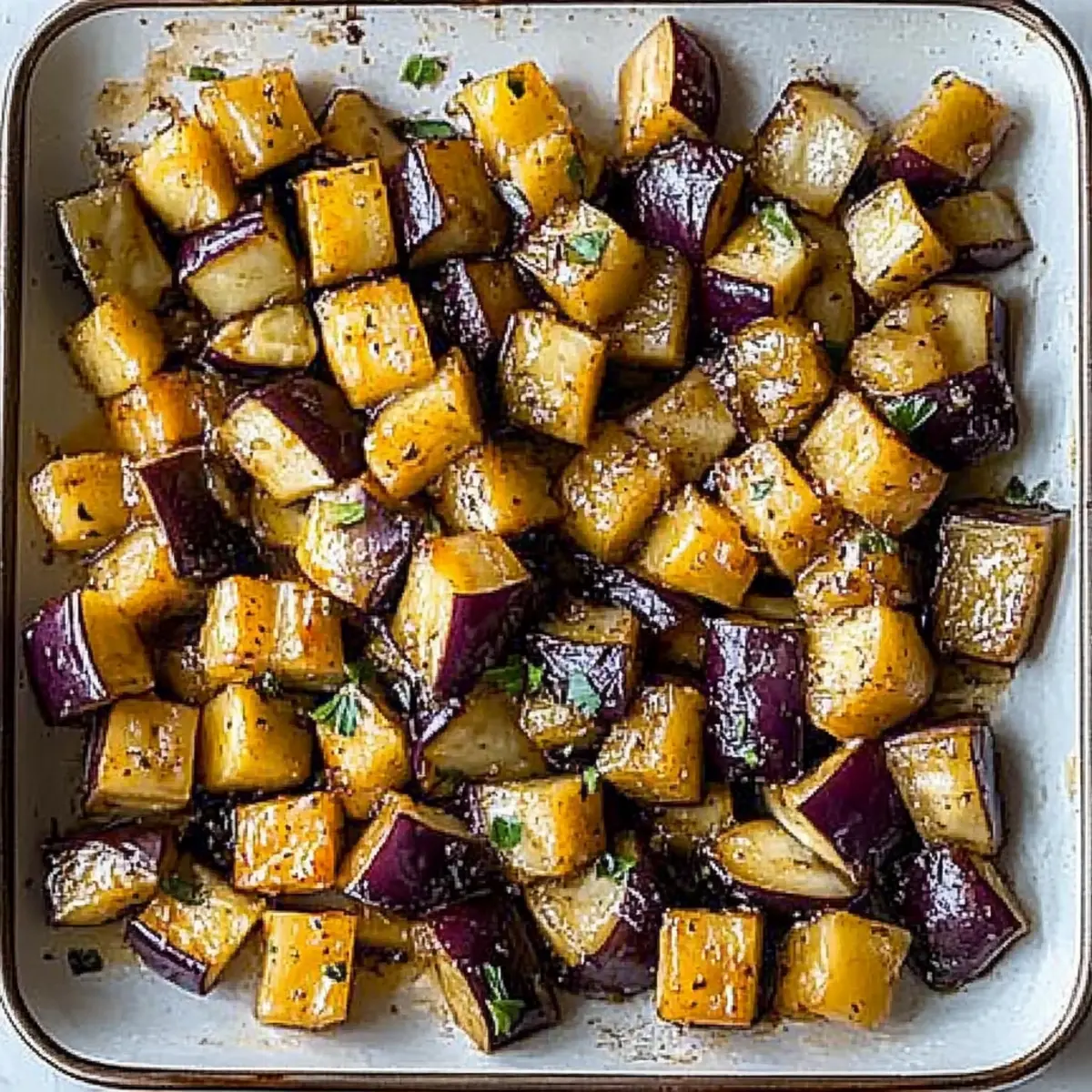
Place the baking sheet in the preheated oven and roast the eggplant for 25–30 minutes. Halfway through, give the eggplant a gentle stir to ensure even browning. You'll know it’s ready when the cubes are golden and tender, releasing a delightful aroma through your kitchen.
Step 4: Sauté Aromatics
While the eggplant is roasting, heat a couple of tablespoons of olive oil in a large skillet over medium heat. Add the chopped onion and celery, sautéing them for 8–10 minutes until softened and fragrant. Keep stirring occasionally to prevent them from browning too much; you want them tender and sweet.
Step 5: Add Garlic and Tomatoes
Once the onion and celery are ready, stir in the minced garlic. Keep cooking for about 30 seconds, just until aromatic, then add the diced tomatoes, olives, and capers. Allow this mixture to simmer for 5–7 minutes, letting the flavors meld together beautifully.
Step 6: Season the Mixture
Now, stir in the red wine vinegar and sugar, adjusting to taste. Continue to let it simmer for another 3–5 minutes until the sauce thickens slightly. The combination of sweet and sour notes will create the distinctive flavor profile of your Italian Eggplant Caponata.
Step 7: Combine with Roasted Eggplant
With the sauce ready, gently fold the roasted eggplant into the skillet. Allow the mixture to simmer together for an additional 5–10 minutes, letting the eggplant soak up all those delicious flavors from the sauce. This step blends the textures and creates harmony in your caponata.
Step 8: Adjust Seasoning
Taste your Italian Eggplant Caponata, and don’t be shy about adjusting the seasoning as needed. You may want to add more salt, pepper, or a splash of vinegar for extra tang, depending on your preference. This step is crucial for achieving the right balance of flavors in your dish.
Step 9: Serve and Garnish
Once everything is well combined and flavorful, transfer your caponata to a serving dish. Let it cool to room temperature before serving. Just before serving, garnish with fresh basil or parsley to add a touch of color and aroma, enhancing that inviting Mediterranean vibe.
Expert Tips for Italian Eggplant Caponata
-
Roasting Technique: Ensure you roast the eggplant separately to achieve a crispy texture without greasiness, enhancing your Italian Eggplant Caponata recipe.
-
Flavors Intensify: For the best flavor, allow the caponata to sit for several hours or even overnight before serving; it’s worth the wait!
-
Balance Your Taste: Adjust the vinegar and sugar according to your preference to maintain that delightful sweet-sour balance integral to this dish.
-
Ingredient Freshness: Use high-quality, fresh ingredients; the flavor of your caponata will shine through when using vibrant vegetables and good olive oil.
-
Experiment with Herbs: Feel free to incorporate additional herbs like oregano or thyme for extra depth, as this can elevate your Italian Eggplant Caponata recipe to new heights.
What to Serve with Authentic Italian Eggplant Caponata
Bring the Mediterranean to your table with delightful accompaniments that enhance the flavors of this sweet and sour dish.
- Crispy Crostini: A wonderful way to serve caponata as an appetizer. The crunchy texture pairs beautifully with the creamy, savory medley.
- Grilled Chicken or Fish: A hearty meat option complements the dish's richness, creating a balanced plate that satisfies all tastes. The grill’s smoky flavors contrast the caponata's sweetness, elevating the meal.
- Pasta Salad: A fresh, herbaceous pasta salad adds a lovely lightness to your meal. Opt for a lemony dressing to tie in the Mediterranean theme.
- Roasted Vegetables: Seasonal roasted veggies offer a hearty side, enhancing the dish's earthy tones. Their caramelization brings out natural sweetness that mirrors the caponata.
- Feta Cheese Crumbles: Sprinkle some feta on top to add a creamy, tangy dimension. The saltiness of the cheese beautifully balances the sweet and sour elements.
- Chilled White Wine: A crisp Pinot Grigio or Sauvignon Blanc is delightful with caponata. The wine’s acidity cuts through the richness, making every sip refreshing.
- Artisan Bread: Serve with a crusty loaf to soak up the caponata's juices. The bread's texture adds a wonderful contrast to the soft vegetables.
- Chocolate Tart: For dessert, a slice of rich chocolate tart completes the meal with an indulgent sweetness that pairs surprisingly well. The contrast will leave your guests happy and satisfied.
Make Ahead Options
These Italian Eggplant Caponata preparations are perfect for busy weeknights! You can roast the eggplant up to 24 hours in advance and refrigerate it in an airtight container to maintain its flavor and texture. Additionally, you can prepare the sautéed aromatic mixture (onion, celery, garlic, tomatoes, olives, and capers) ahead of time and store it for up to 3 days in the fridge. Just combine the roasted eggplant with the sautéed mixture when ready to serve, adding the red wine vinegar and sugar at this time. This way, you can enjoy a rich, homemade Italian Eggplant Caponata recipe with minimal effort, allowing you to savor wonderful Mediterranean flavors straight from your kitchen!
How to Store and Freeze Italian Eggplant Caponata
Fridge: Store your leftover caponata in an airtight container. It will keep well in the refrigerator for up to 5 days, ensuring you can enjoy it again!
Freezer: For longer storage, freeze the caponata in a freezer-safe container for up to 3 months. When ready to eat, thaw overnight in the fridge before reheating.
Reheating: To reheat, gently warm the caponata in a skillet over medium heat until heated through. You can add a splash of olive oil or vinegar to refresh the flavors.
Room Temperature: Let your Italian Eggplant Caponata rest at room temperature for about 30 minutes before serving. This allows the flavors to blossom, making each bite even more delightful!
Italian Eggplant Caponata Recipe Variations
Feel free to get creative with the flavors and textures of this classic dish!
-
Herb-Infused: Add fresh herbs like oregano or thyme during cooking for a fragrant twist. They'll give your caponata a lovely aromatic punch.
-
Spicy Kick: Incorporate red pepper flakes or diced jalapeños if you crave a touch of heat. Just a pinch can elevate your caponata and tantalize your taste buds.
-
Cheesy Delight: Crumble feta cheese over the final dish for a creamy, tangy finish. This adds an enticing richness that complements the sweet and sour notes beautifully.
-
Roasted Peppers: Including roasted bell peppers or zucchini enhances the dish’s texture and introduces a delightful sweetness. Try it with different colors for a vibrant presentation.
-
Nuts for Crunch: Toss in some toasted pine nuts or walnuts just before serving to add crunch. The nutty flavor pairs well with the caponata's creamy elements.
-
Vegan Option: If you prefer it vegan, simply ensure to check the olive oil and sugar brands; some sugars aren’t vegan-friendly. This recipe is inherently plant-based, making it a great choice!
-
Mediterranean Fusion: Serve alongside marinated olives or a fresh caprese salad for a stunning Mediterranean feast. You can create a spread that transports you straight to sunny Italy.
For more culinary delights, don’t miss out on my Spatchcock Chicken recipe, or check out this unique take with Chicken Adobo Again that adds another layer of flavor to your plate!
Italian Eggplant Caponata Recipe FAQs
How do I choose the perfect eggplant for caponata?
Absolutely! When selecting eggplant, look for firm, shiny skins with a vibrant color. Avoid any eggplants that have dark spots or soft blemishes, as these might be overripe. A good rule is to choose a medium-sized eggplant, which typically has the best flavor and texture.
How long can I store leftover caponata in the fridge?
Your caponata will stay fresh in an airtight container in the fridge for up to 5 days. Be sure to let it rest at room temperature for about 30 minutes before serving to really bring out those delicious flavors!
Can I freeze Italian Eggplant Caponata?
Very! To freeze your caponata, allow it to cool completely first. Then transfer it into a freezer-safe container, making sure to leave some space for expansion. It can be frozen for up to 3 months. When you’re ready to enjoy it again, thaw it overnight in the fridge, and then gently reheat it in a skillet, adding a splash of olive oil or vinegar as needed.
What should I do if my caponata is too sour?
If you find your caponata is too sour, don’t worry! Just add a bit more sugar or honey, a teaspoon at a time, until it achieves your desired balance. Alternatively, you can also mix in a little extra roasted eggplant to neutralize the acidity.
Is caponata safe for pets or people with allergies?
While caponata is generally safe for humans, the olives and capers can be high in sodium, so it’s best to serve it to pets in moderation. If someone has allergies, be careful with ingredients—especially olives, capers, and potential cross-contamination with nuts or gluten. Always consult with anyone who may have dietary restrictions before serving.
Can I make any substitutions to the ingredients?
Of course! If you're out of capers, you can continue without them, or try using chopped green pickles for a similar tang. For those who might not love eggplant, zucchini or bell peppers can be great alternatives. Each substitution can lend a unique twist to your Italian Eggplant Caponata recipe!
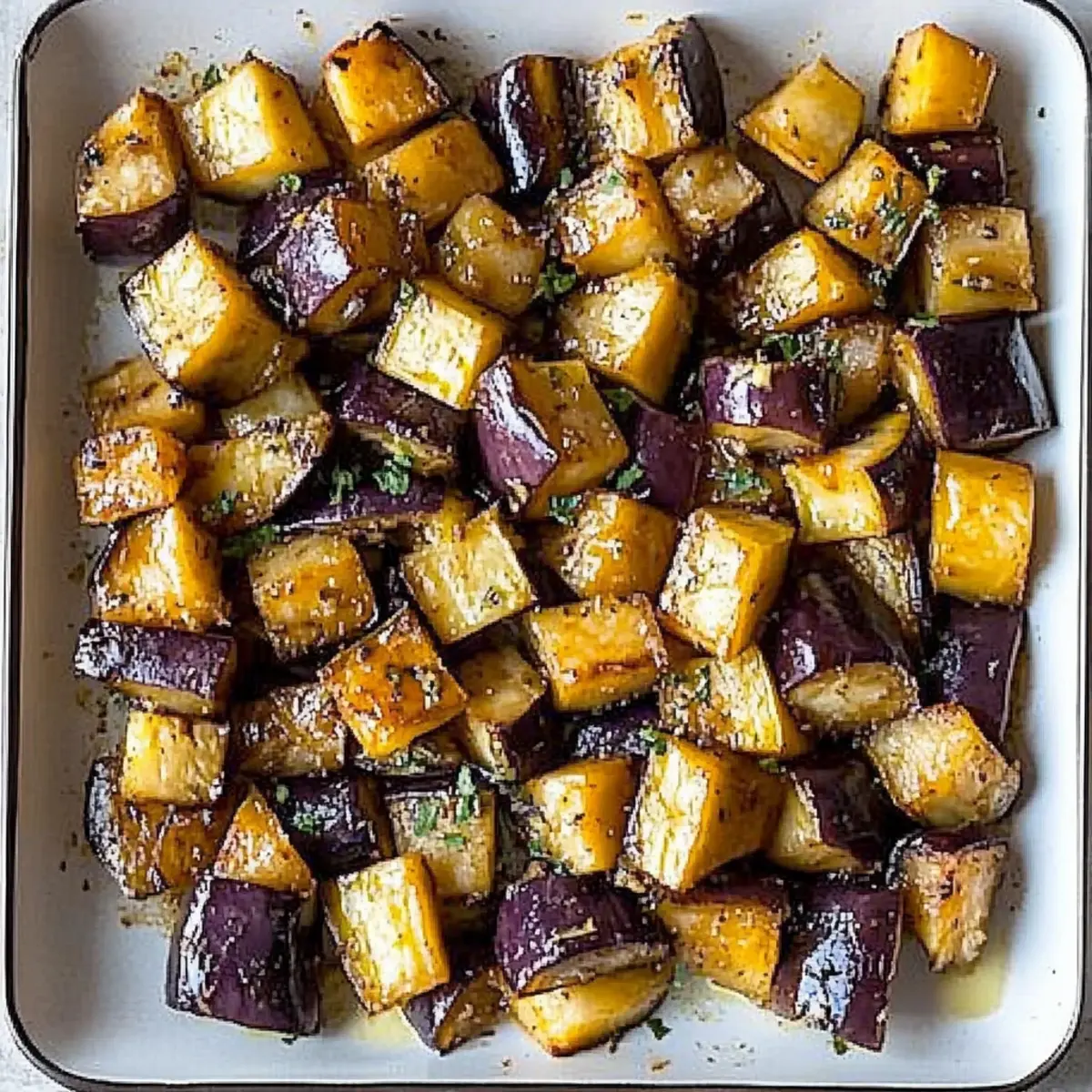
Savory Italian Eggplant Caponata Recipe to Brighten Your Table
Ingredients
Equipment
Method
- Preheat your oven to 400°F (200°C), coating a baking sheet with olive oil.
- Wash and cube the eggplant, toss with olive oil, salt, and pepper. Spread evenly on the baking sheet.
- Roast the eggplant for 25–30 minutes, stirring halfway through until golden and tender.
- Heat olive oil in a skillet, sauté onion and celery for 8–10 minutes till softened.
- Add minced garlic and cook for about 30 seconds, then stir in diced tomatoes, olives, and capers.
- Add red wine vinegar and sugar, simmer for 3–5 minutes until thickened.
- Gently fold in the roasted eggplant, simmer for 5–10 minutes to blend flavors.
- Adjust seasoning with salt, pepper, or vinegar as desired.
- Transfer to a serving dish, let cool, and garnish with fresh basil or parsley before serving.




Leave a Reply